Review · BOGOTá, COLOMBIA
Fruit Tour at the World’s sweetest Market
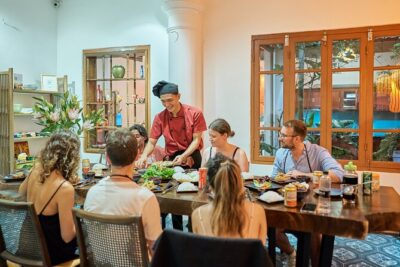
Come hungry, leave full of surprises. This three-hour visit to Paloquemao Market turns a simple fruit tasting into a useful introduction to Colombian food, farming, and daily life. I like the tiny group size, capped at six, and the chance to taste around 25 fruits instead of simply walking past them. I also like that guides Victor and Val add savory snacks, drinks, and restaurant advice to the outing.
The main consideration is the physical side of the visit. You’ll walk through a working market, stand for parts of the tour, and sample a large amount of food. The meeting point is easy to reach by public transportation, but you should arrive ready for a busy market setting and bring a moderate level of fitness.
Quick takeaways from Paloquemao
- Taste around 25 seasonal fruits: The exact selection changes with the time of year, so each visit can feel a little different.
- Keep the group small: A maximum of six people makes it easier to ask questions and stay close to the guide.
- Meet Victor or Val: Both guides are praised for their warmth, preparation, English ability, and strong connections with market vendors.
- Expect much more than fruit: The tasting can include coconut water, smoothies, hot chocolate, chucula, empanadas, arepas, pan de queso, and several sauces.
- Save room for local advice: Guides can suggest restaurants, bars, and places to find foods you discover at the market.
- Go easy on breakfast: The amount of food can add up to what feels like two meals.
Why this market makes a better food lesson
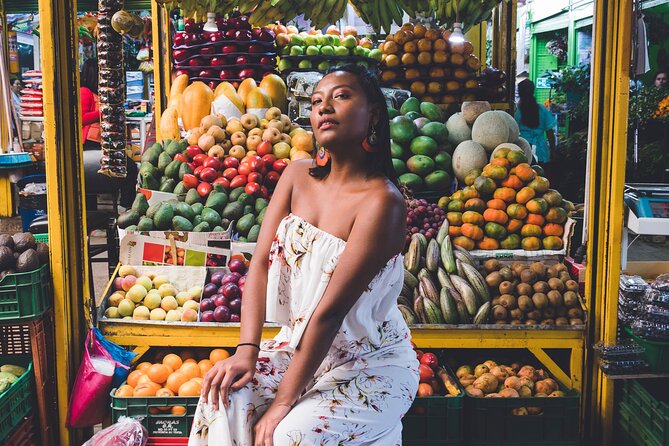
Paloquemao is not set up as a polished attraction. It is a working market where produce is sold, moved, prepared, and eaten. That gives the tour a useful sense of place. You are not just looking at unusual fruit in neat display baskets. You are learning how Colombians encounter these foods in ordinary life.
Colombia’s location near the equator, combined with the Andes crossing the country, creates growing conditions for an unusually broad range of fruit. The tour connects that geography to taste. You’ll hear which fruits are native to Colombia, which arrived from elsewhere but now grow locally, and how the produce is used in drinks, snacks, and home cooking.
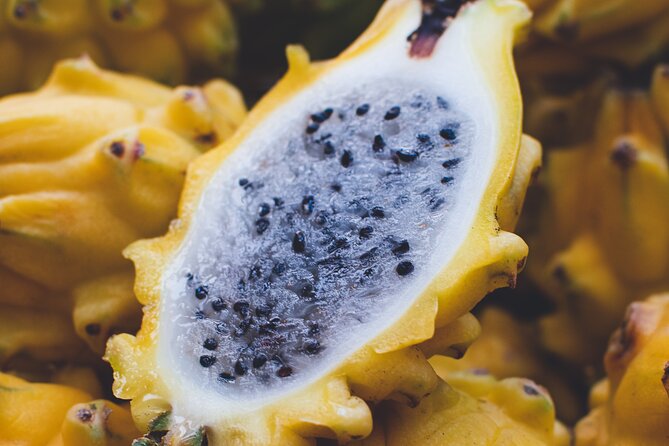
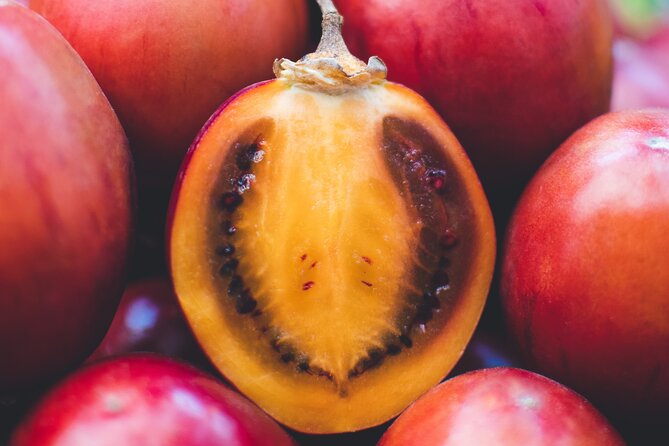
The number of samples is a major part of the appeal. The selection can reach roughly 25 to 30 fruits, though it changes by season and availability. You might taste several kinds of guava, different passion fruits, tree tomato, guanábana, mangosteen, Andean blueberries, mora, coconut, and other varieties that are hard to identify on your own.
That variety matters because Colombian fruit is not one single taste experience. Some samples may be sweet and floral. Others can be sour, creamy, sharp, or mildly earthy. A guide helps you understand what you are tasting instead of leaving you to guess from appearance alone.
A few more market tours around the world worth a look
- Bangkok: Damnoen Saduak Market and Maeklong Railway Market
★ 4.5 · 26,723 reviews - The Old Siam: Damnoen Saduak and Maeklong Railway Market
★ 4.5 · 10,992 reviews - Dubai: Old Town, Creek, Museums, Souks, & Street Food Tour
★ 4.8 · 10,816 reviews
Starting at Av. Ciudad de Lima
The tour begins at Av. Ciudad de Lima #25-02 in the Los Mártires area of Bogotá. It ends at the same meeting point, which makes the plan simple. The activity is near public transportation, and one guide specifically helped make the route easy to manage for someone arriving by Uber.
You should allow time to reach the meeting point without rushing. Bogotá traffic can be slow, and a market visit works best when you arrive ready to start. The small group limit is especially helpful here. Paloquemao has many sections and plenty of activity, so staying with a group of six or fewer is more comfortable than trying to keep track of a large crowd.
The tour is suitable for solo visitors, couples, families, and friends. A solo booking may even become a private tour if nobody else has booked the same time, though that is not guaranteed. Families should note that children have enjoyed the fruit sampling, but the amount of walking and standing still calls for a moderate fitness level.
Walking through Paloquemao’s produce stalls
The fruit tasting begins as you move through the market rather than at a formal restaurant table. That is a good choice. You can see the fruit in its everyday setting, watch how vendors handle it, and connect each item with the market around you.
Guides Victor and Val receive especially strong praise for making the market easier to understand. Their relationships with vendors also help when you do not speak much Spanish. You can focus on the food and the explanations instead of worrying about how to ask every question yourself.
Victor is known for arriving prepared with spoons, wipes, hand sanitizer, and bags for discarded peels and pits. One thoughtful detail is that the waste can be separated for composting. The guide also washes fruit that needs it, while many samples are opened so you eat the inside rather than the peel.
That preparation matters. You are sampling a lot of produce in a market, and simple tools make the process cleaner and less awkward. Salt and Tajín may be offered with some fruits, allowing you to compare the plain flavor with a familiar Colombian or Latin American style of seasoning.
Do not expect an exact fixed menu. The tour description says the selection depends on the season, and that is a strength rather than a weakness. A seasonal market tells you more about what is actually available in Bogotá at that moment. It also means the tour is not simply repeating a shelf-stable tasting list.
Fruit names, textures, and Colombian uses
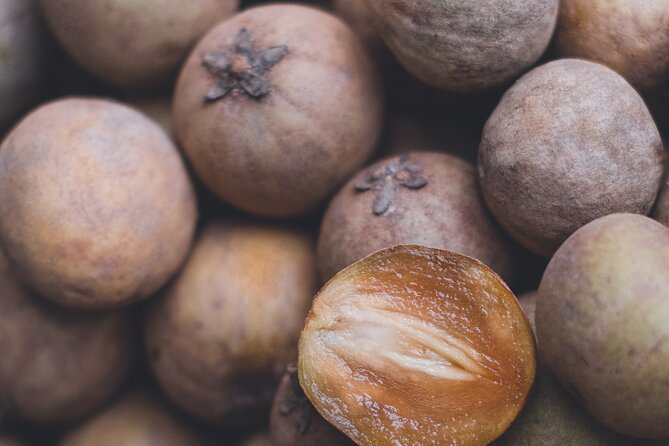
The best part of the outing is not just counting samples. It is learning how each fruit fits into Colombian food culture. A fruit may be eaten fresh, blended into a smoothie, mixed with condensed milk, made into a tea, or used for a drink with medicinal associations.
You may encounter several types of guava or passion fruit side by side. Comparing them makes the differences clear. One can be more tart, another sweeter, and another more aromatic. The same applies to berries and tree tomato, which can be unfamiliar if your idea of fruit comes mostly from supermarkets outside South America.
Guanábana is a good example of why a guide adds value. Its soft texture and unusual flavor can be difficult to place if you have never tried it. The guide can explain how it appears in drinks and other preparations, giving you a reference point for the rest of your time in Colombia.
The same is true of mora and local blueberries. You are not simply told a name and handed a sample. The broader discussion of farming, origin, texture, and common use gives you a clearer picture of the country’s food traditions.
I would treat the fruit count as a rough guide, not a promise. Some people report tasting more than 25 items, while others describe around 20 or 30. Your final selection will depend on the season, market stock, and the pace of the group.
Same place, a different set of stalls:
- Bangkok: Train Market & Floating Market with Boat Ride
★ 4.7 · 9,547 reviews - Dubai: Old Town, Souks, Street Food, Guided Tour & Abra Ride
★ 4.9 · 7,170 reviews - From Bangkok: Ayutthaya & Ayothaya Floating Market Day Trip
★ 4.7 · 6,084 reviews - Dubai: Frame Tickets, Creek, Souks & Blue Mosque Guided Tour
★ 4.8 · 5,980 reviews
Coconut water, empanadas, and the second half of the meal
The tour does not stop when the fruit tasting ends. Fresh juice is included, and coconut water may be used early in the tasting as a palate cleanser. Smoothies, hot chocolate, and chucula can also appear, giving you a wider look at Colombian drinks.
Chucula is especially useful for anyone interested in traditional beverages. You may also have pan de queso fresh from the oven, arepas, empanadas, and several sauces. These savory foods keep the visit from feeling like a long dessert course.
The empanadas can come with six different salsas, which makes the snack more interactive. You can compare the fillings and sauces while learning how people in Bogotá eat them. Arepas are another welcome addition, especially if you are using the tour as your first serious food introduction to the city.
Several people describe the total amount of food as enough for two meals. I would take that seriously. Skipping a full breakfast is sensible, but you should not arrive dehydrated or completely empty if you find large tastings difficult. The exact food selection can vary, yet the pattern is clear: this is not a quick sample of three or four pieces of fruit.
Victor and Val: different guides, same useful focus
The guide can shape the whole outing, and Victor and Val are both praised for making the experience personal and easy to follow.
Victor is described as generous, attentive, and well prepared. His connections with vendors help the visit feel natural, and he has been known to offer extra suggestions after the main tasting. One couple even received help finding a chocolate shop after the tour. That kind of added help is not something you should assume will happen every time, but it shows how the tour can lead into the rest of your food planning.
Val is praised for her clear English, patience, and ability to explain native Colombian fruits and vegetables. She is also described as a fellow food lover, which helps if you want to ask detailed questions about flavor, preparation, or where to find a particular item later.
Both guides appear to focus on more than memorized facts. They explain why they make certain choices, including why they do not bargain with the fruit sellers. That offers a small lesson in the relationship between a guide, a vendor, and the market itself.
If you have limited Spanish, this tour can be especially useful. The guide can bridge the gap between you and the sellers while keeping the visit relaxed. If you already speak Spanish, you may still appreciate the context and the chance to taste foods you might not recognize by yourself.
What the $41 price includes
At $41 per person, the tour is not the cheapest way to buy fruit in Bogotá. You could enter a market on your own for free and purchase a few items at a lower total cost.
The value comes from the range, guidance, and amount of food. For that price, you are getting about three hours, a small group, explanations of Colombian produce, a long tasting session, drinks, and savory snacks. You are also paying for the guide’s preparation, including utensils, wipes, hand sanitizer, and help communicating with vendors.
I think the price makes the most sense if you are curious about food and want to taste widely without wasting money on fruit you may not enjoy. It is also useful early in a trip because the guide can suggest restaurants, bars, and places to find ingredients or dishes that catch your attention.
If you dislike fruit, have dietary restrictions that make sampling difficult, or prefer a short market walk without a structured tasting, the value is less clear. The tour is built around eating a great deal, not simply sightseeing.
Why timing matters for this Bogotá activity
This experience is booked about 18 days ahead on average, so you should not leave it until the final morning if it is important to your plans. Booking early also gives you a better chance of finding a suitable time for a small group.
I would place it near the start of a Bogotá visit. The food advice can help with the rest of your trip, and the market gives you a quick introduction to local eating habits. You will also learn which fruits and drinks to look for elsewhere.
That said, the tour works on a final full day too. One person wished they had done it earlier, but still considered it a highlight. If you schedule it late, use the guide’s recommendations to make the rest of your food plans more focused.
The experience lasts about three hours. Allow extra time around it if you want to continue shopping, eat elsewhere, or return to your hotel. The stated meeting and ending point is the same, so the basic route is straightforward.
Practical advice before you go
Arrive hungry, but do not overdo it. You will likely sample a large amount of fruit, drinks, and snacks, and the final meal can be much larger than expected.
Wear comfortable shoes and expect to walk and stand. A moderate fitness level is recommended, and one guide has made a point of arranging sitting breaks when someone became short of breath.
Bring curiosity rather than a fixed expectation. The fruit list changes with the season, and the market may offer something you have never seen before. Ask about texture, local preparation, and where to find the item again.
If you have allergies or food restrictions, make them clear before tasting. The supplied information does not list a specific allergy policy, so you should discuss any limits directly with the tour provider before booking.
Free cancellation is available when you cancel at least 24 hours before the start time. Changes or cancellations made within 24 hours are not accepted for a refund.
Should you book the Paloquemao fruit tour?
I would book this tour if you want a hands-on introduction to Colombian food and enjoy trying unfamiliar things. The small group, the large number of tastings, and the guides’ practical help make it more useful than simply wandering through the market alone.
It is particularly well suited to solo visitors, couples, families with adventurous eaters, and anyone who wants food advice for the rest of a Bogotá stay. I would choose it early in the trip and skip a full breakfast.
I would pass if you want a quiet walking tour, dislike fruit, or need a highly predictable menu. For everyone else, $41 is a fair price for a three-hour tasting that can cover a remarkable amount of food and give you a clearer sense of how Bogotá eats.
FAQ
Where does the tour begin and end?
It begins at Av. Ciudad de Lima #25-02 in Los Mártires, Bogotá, and ends back at the same meeting point.
How long does the fruit tour last?
The tour lasts approximately three hours.
How many people can join the tour?
The maximum group size is six people.
How many fruits will I taste?
The seasonal tasting usually includes around 25 fruits, though the exact number and selection can vary. Some sessions include roughly 20 to 30 different fruits.
Is the tour suitable for someone with moderate fitness?
Yes. The activity recommends a moderate fitness level and includes walking through the market, with some standing during the tasting.
Can I cancel for a full refund?
Yes. You can receive a full refund if you cancel at least 24 hours before the experience start time.
Just added around the world
- Half-day Dandan Noodles Cooking Class with a Local Market Visit★ 5.0 · 8 reviews
- Three-Hour Private Chengdu Tea Wholesale Market Tour★ 5.0 · 4 reviews
- 3-Hour Herbal Wholesale TCM Market and a Local Wet Market Tour★ 5.0 · 4 reviews
- Moroccan Cooking Class with a Local Family & Market Visit★ 5.0 · 16 reviews
- Charleston International Sweet Treats & Historic City Market Tour★ 5.0 · 22 reviews
- Chania Old Town, Public Market and Chrisopigi Monastery Tour★ 4.5 · 6 reviews
- Chania: Old Town, Public Market, Hill of Prophet Elias, Agia Triada★ 5.0 · 35 reviews
- Cesarine: Market Tour & Home Cooking Class in Catania★ 4.0 · 6 reviews
Market Tours, compared.
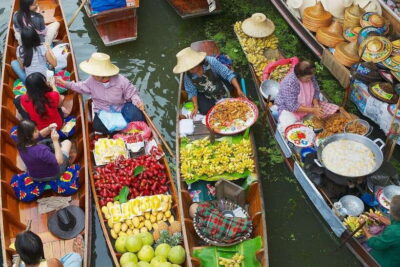
Damnoen Saduak Market and Maeklong Railway Market
Read our review →
The Old Siam: Damnoen Saduak and Maeklong Railway Market
Read our review →
Old Town, Creek, Museums, Souks, & Street Food Tour
Read our review →Train Market & Floating Market with Boat Ride
Read our review →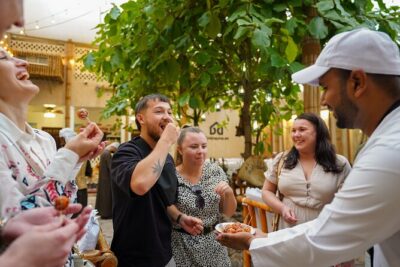
Old Town, Souks, Street Food, Guided Tour & Abra Ride
Read our review →
Ayutthaya & Ayothaya Floating Market Day Trip
Read our review →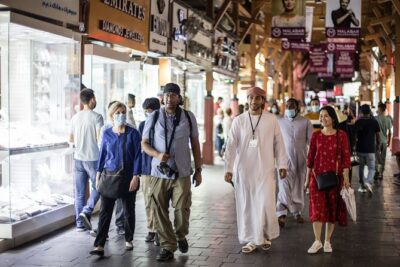
Frame Tickets, Creek, Souks & Blue Mosque Guided Tour
Read our review →