
Review · INDIA
Old Bangalore Historical Walk thro Palace, Temples, Fort & Market
Old Bangalore gets under your skin fast. This compact walking tour links Tipu Sultan’s teak palace, Hindu and Jain temples, the remains of Bangalore Fort, and the noisy, colorful KR Market in three to four hours. I like the smart route, which moves from royal buildings to active places of worship and then into everyday market life. I also like the small-group limit of 10 people, since it gives you a better chance to hear the guide in crowded streets.
The main consideration is the setting: this is an active part of the city, not a polished heritage park. You will deal with traffic, uneven city movement, crowds, animals, heat, and market noise. You also need clothing that covers your legs and shoulders, plus a scarf for temple visits.
Key things to know before you book
- The tour joins five very different stops: Tipu Sultan’s Summer Palace, Kote Venkataramana Temple, Bangalore Fort, KR Market, and a Jain temple.
- Tipu Palace is built from teak wood: The 230-year-old palace gives you a close look at Islamic design and royal Bangalore.
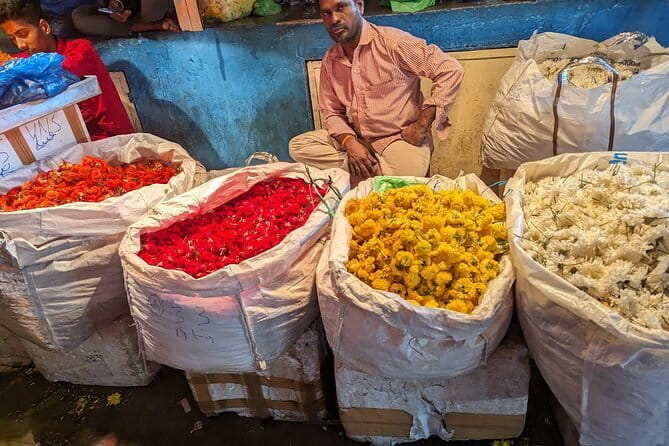
- KR Market is the sensory high point: Expect sellers, buyers, workers, vehicles, cows, dogs, flowers, fruits, and vegetables in constant motion.
- The group is capped at 10 people: That is useful in narrow streets and makes it easier to ask questions.
- Temple clothing matters: Cover your shoulders and legs, and ladies should carry a scarf.
- The tour ends near Chickpet metro station: You finish at Shri Adinath Jain Shwetamber Mandir, not back at the starting point.
Why this walk works for a first look at old Bangalore

Old Bangalore is best understood on foot. The city’s past does not sit in one tidy museum. It appears in a wooden palace beside a working temple, in a surviving fort wall hidden among modern streets, and in a market where commerce carries on around historic buildings.
That is the strength of this route. You get architecture, religion, local history, and daily life without spending a full day moving between distant sights. The experience lasts about three to four hours, long enough to give the area shape but short enough to fit into a work trip or a busy Bangalore visit.
I especially like the balance between formal sights and ordinary city life. A palace can tell you about rulers, but KR Market shows you how the neighborhood functions now. The two temples add another layer, since you are not only looking at carvings from outside. You are asked to respect active religious spaces.
The guide makes a real difference here. Names connected with the experience include Vasuki, Raghavendra, and Vanaja, and the guide team has been praised for clear explanations, good care, photography advice, and help planning the next part of the day. The guides are government-approved and licensed, which is useful when you are trying to understand places that may have limited signs or formal interpretation.
More History Tours in Bangalore:
- Experience Bangalore – City Tour, Authentic Food & market (Food/Culture/History)
★ 5.0 · 156 reviews - Bangalore: Walk in Historic Ulsoor – Landmarks, Bazaar & Culture
★ 5.0 · 9 reviews - Private Excursion to Floating Market and Ayutthaya World Heritage
★ 5.0 · 515 reviews
Starting at Tipu Sultan’s Summer Palace
The walk begins at Tipu Sultan’s Summer Palace on Tippu Sultan Palace Road in Kamalanagar, Chamrajpet. This is a practical starting point because the palace gives you an immediate sense of the old city before the route turns toward temples and markets.
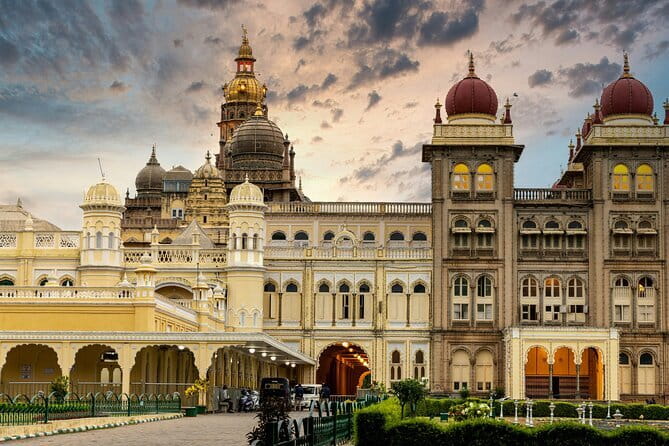
The palace is about 230 years old and made from teak wood. Its Islamic architectural style is the first major visual lesson of the walk. The wood construction gives the building a warmer, more intimate feel than a large stone palace, while the royal setting points to the political importance of Tipu Sultan and the old Bangalore area.
You have about 45 minutes here, with admission included. That is enough time for a guided look rather than a rushed photograph at the entrance. Pay attention to the wooden structure, the proportions of the rooms, and the way the palace fits into the surrounding city. The guide’s stories are likely to add more value than the building alone, since the palace is not a massive complex.
A small limitation is that this is a historic monument with a set visiting schedule. Access to monuments can change with working hours and seasonal variations. If seeing the palace is your main reason for booking, confirm the timing when you make your plans.
Kote Venkataramana Temple and its carved stone walls
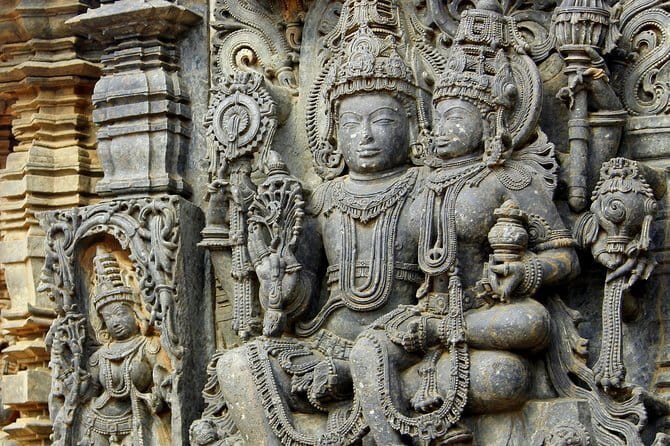
The next stop is Kote Venkataramana Temple, directly beside Tipu Palace. Built in 1690 by Chikkadevaraja Wodeyar, it gives you a clear contrast with the palace. You move from teak and Islamic design into a Hindu temple filled with stone carving and religious meaning.
The visit lasts about 30 minutes and has no separate admission charge. The temple’s walls feature carved figures from Indian mythology, while prayers may be taking place inside. That distinction matters. This is not simply a monument where you can wander anywhere and examine every detail at your own pace. It is also a working place of worship.
You should dress with that in mind before the tour begins. Legs and shoulders need to be covered, and ladies should carry a scarf. Modest clothing will make entry easier and help you feel comfortable during the visit.
I like this stop because it gives the walk a sense of continuity. The temple dates from the 17th century, the palace is about 230 years old, and both sit beside one another in the same urban district. You do not need a long lecture to see that Bangalore’s story is made from overlapping periods and traditions.
Bangalore Fort, with only a small remnant left
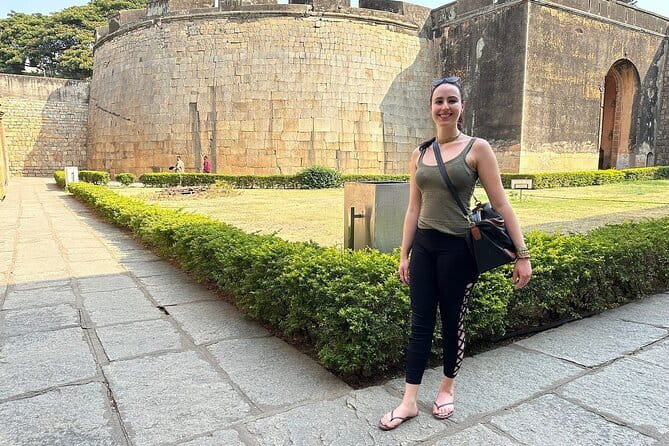
Bangalore Fort adds the city’s military chapter. Kempegowda, regarded as the founder of Bangalore, first built a mud fort here in the 16th century. Hyder Ali rebuilt it in stone during the 1760s.
Only about 5 percent of the fort remains today. That fact sets the right expectation. You are not entering a vast fortress with intact walls, towers, and courtyards. Instead, the stop helps you understand how much the modern city has grown around older defenses.
You have around 30 minutes here, and admission is included. The remaining section is described as neatly maintained and open to visitors. The guide can help you make sense of the surviving structure and place it within Bangalore’s development.
For me, the value is less about a dramatic fort experience and more about the contrast. A city founded around a mud fort later became a major urban center, yet a small piece of that early defense still remains. That is a useful reminder not to judge the stop only by its size.
If you want extensive fort architecture, this will feel brief. If you want a compact history lesson woven into a walking route, it earns its place.
A few more market tours around Bangalore worth a look
- Bengaluru Pete City Market Half-Day Walking Tour
★ 5.0 · 163 reviews - Tipu Palace + Koté Vishnu + Fort + KR Market + Jain Temple = Bengaluru Pété Walk
★ 5.0 · 150 reviews - Bangalore: Palace, Temples, Fort & Markets Walking Tour
★ 4.9 · 97 reviews - Bangalore: Walking Tour of Fort, Palaces, and Market
★ 5.0 · 58 reviews
KR Market puts daily Bangalore on full display

The Sri Krishnarajendra Market, usually called KR Market, is the most active part of the walk. You spend about an hour here, and that longer stop makes sense. There is no single building to check off. The experience comes from moving through the market and its surrounding streets.
Expect a dense mix of sellers, buyers, coolies, hawkers, workers, vehicles, bicycles, cows, dogs, fruits, flowers, and vegetables. The sound is part of the attraction. Engines, voices, bargaining, footsteps, and market work create the kind of urban noise that cannot be explained from a guidebook.
I like the fact that the route does not treat the market as background scenery. It gives you time to watch how the place works. You may find that one part catches your eye while another tests your patience. Crowded streets require attention, especially when you are trying to keep up with the group and avoid blocking people who are working.
This is also where the guide’s local knowledge matters most. A good explanation can turn a wall of color and noise into a readable place. You can ask about what is being sold, how the market operates, and where to take photographs without interfering with business.
Photography tips are one of the useful touches associated with the guiding. Still, use common sense. Ask before photographing individuals, keep your belongings close, and remember that vendors are at work rather than performing for visitors.
The market may be the least comfortable stop for anyone who dislikes crowds, traffic, or strong smells. It is also the part most likely to give you a direct look at present-day Bangalore. If you want a quiet heritage tour, this route may not suit you. If you want the city as it is lived, KR Market is central to the experience.
A quieter hour at the Jain temple
The final stop is Shri Adinath Jain Shwetamber Mandir on Chickpet Road in Ragipet, Mamulpet. The visit lasts about an hour, making it the second major temple experience after Kote Venkataramana.
Jainism has roots in India reaching back at least 2,500 years and developed alongside Buddhism. The temple visit introduces the faith’s emphasis on non-violence and vegetarianism, while the building itself offers quiet, carvings, and inlay work after the noise of KR Market.
That change in mood is well judged. You move from the busiest section of the route into a place that asks for stillness and care. The contrast helps you notice details that might be missed if the whole walk were made up of busy streets.
Temple entry is free, but access can depend on working hours and seasonal changes. Dress requirements still apply, so keep your shoulders and legs covered throughout the walk rather than trying to adjust at the last minute.
The tour ends here, close to Chickpet metro station. That makes the finish practical if you plan to continue exploring independently. It also means you should not expect to be returned to your hotel unless you arrange separate transport.
What the $22.38 price really covers
At $22.38 per person, the tour is priced as an affordable introduction rather than a luxury private outing. The cost includes admission to the monuments and a licensed guide for roughly three to four hours. The temples themselves do not charge a separate entry fee.
The value is strongest if you are new to Bangalore or have only a few hours. You get five distinct stops, historical context, help navigating the market, and a planned route through an area that could be confusing on your own. The small group limit also helps justify the price, particularly at KR Market and inside temple spaces.
The fee does not include lunch, tips, or transport. Hotel pickup and return can be arranged for an additional charge, but you need to provide your hotel details so the operator can quote the amount. Since the walk starts at Tipu Sultan’s Summer Palace and finishes near Chickpet metro station, plan your own route between your hotel and the start unless you add the transport option.
Group discounts are available. If you are traveling with several people, check the final price before booking. The maximum group size is 10, which keeps the tour from becoming a large procession through narrow streets.
Timing, clothing, and practical comfort
Confirmation is provided when you book, and the starting point is near public transportation. The walk is suitable for most people, but the description does not promise a fully step-free or specially adapted route. The city setting means you should be ready for active streets and changing conditions.
Wear light, modest clothing that covers your legs and shoulders. Ladies should carry a scarf for the temples. These rules are not minor details: unsuitable clothing can make temple entry awkward or impossible.
Wear comfortable walking shoes and bring water. That advice is practical for any three to four hour city walk, although the supplied information does not specify the exact distance or surface conditions. Keep your schedule flexible because monument access can change with seasonal hours.
The route finishes at Shri Adinath Jain Shwetamber Mandir, near Chickpet metro station. That is useful if you want to continue exploring, but it is less convenient if you expect a return to the starting point.
Free cancellation is available if you cancel at least 24 hours before the local start time. Changes or cancellations made later are not accepted for a refund.
Who will get the most from this walk
I would recommend this experience to first-time visitors, people on short business trips, and anyone who wants a quick introduction to old Bangalore without arranging several separate visits. It works particularly well for you if you enjoy history but also want to see working streets, religious life, and commerce.
It is a strong choice for photographers who like color, texture, carved stone, old wood, and city movement. The guide can offer advice on taking pictures, while the market provides more visual variety than a quiet museum.
Families and older visitors should consider their own comfort with crowded streets and several hours on foot. Most people can participate, but the route is not presented as a specialized accessibility tour. Anyone who dislikes noise, traffic, or active markets may prefer a calmer heritage visit.
The experience also suits curious eaters and shoppers in spirit, although lunch is not included and there is no promise of a food tasting. You are there to see the market, not to receive a meal.
Should you book the Old Bangalore Historical Walk?
Book it if you want a concentrated, guide-led look at old Bangalore with real city life included. The route has a good rhythm: palace, Hindu temple, fort, market, then Jain temple. The highest value comes from the connections between those places and from having a guide explain what you are seeing.
Skip it if you want a quiet, slow-paced tour, a private vehicle, or a large intact fort. The market can be noisy and crowded, and the final stop is away from the starting point.
For most first visits, the $22.38 price is fair. You get several entry-covered sights, a small group, and a route that would take more effort to organize alone. Book at least a day ahead if your schedule is tight, dress for the temples, and treat KR Market as the main event rather than an obstacle. That is where old Bangalore feels most immediate.
FAQ
How long does the Old Bangalore Historical Walk last?
The walk lasts approximately three to four hours.
How much does the experience cost?
The listed price is $22.38 per person. Group discounts are available.
What sights are included?
The route includes Tipu Sultan’s Summer Palace, Kote Venkataramana Temple, Bangalore Fort, Sri Krishnarajendra Market, and Shri Adinath Jain Shwetamber Mandir.
Is admission included?
Entry fees at the monuments are included. The two temples have no separate admission charge listed.
Where does the tour begin?
It begins at Tipu Sultan’s Summer Palace, 42 Tippu Sultan Palace Road, Kamalanagar, Chamrajpet, Bengaluru.
Where does the tour finish?
It finishes at Shri Adinath Jain Shwetamber Mandir on Chickpet Road. The temple is close to Chickpet metro station.
What should I wear to the temples?
Your clothing should cover your legs and shoulders. Ladies should also carry a scarf.
Is hotel transport included?
No. Hotel pickup and return can be arranged for an additional fee. You need to provide your hotel details so the fee can be proposed.
Just added around Bangalore
- Shopping and Bazaar Trail in Bangalore★ 4.5 · 5 reviews
- Bangalore Walking Tours – Flower Market, PETE and more★ 5.0 · 5 reviews
- KR Market Photo Walk★ 5.0 · 12 reviews
- Bangalore: Walk in Historic Ulsoor – Landmarks, Bazaar & Culture★ 5.0 · 9 reviews
- Lalbagh+Bull Temple+Tipu Palace+Market+Lunch=Bangalore City Tour★ 5.0 · 9 reviews
- Experience Bangalore Evening City Walk Tour and Market Visit★ 5.0 · 9 reviews
- Bangalore Evening Food Street Walk and Market Visit★ 5.0 · 32 reviews
- Private Walking Tour into the Oldest Local Market in Bengaluru★ 5.0 · 5 reviews
Historical Tours, compared.
Private Excursion to Floating Market and Ayutthaya World Heritage
Read our review →
Discover Palermo in 3 hours. Art, history, markets and street food
Read our review →
Private Heritage Walking Tour in Jaisalmer Fort and Old Bazaar
Read our review →
2 Hour Historic Market Food Tour and Hands-On Biscuit Class
Read our review →
Abu Dhabi Sightseeing Tour: Sheikh Zayed Mosque, Heritage Village & Dates Market
Read our review →
Historic Center Street Food, Market, and Eateries Tour
Read our review →
Old Delhi: Spices, Heritage and Bazaars Walking Tour
Read our review →Browse the lists this tour appears in