
Review · ISRAEL
Tel Aviv: Carmel Market Food Tasting Tour “Shuk Hacarmel”
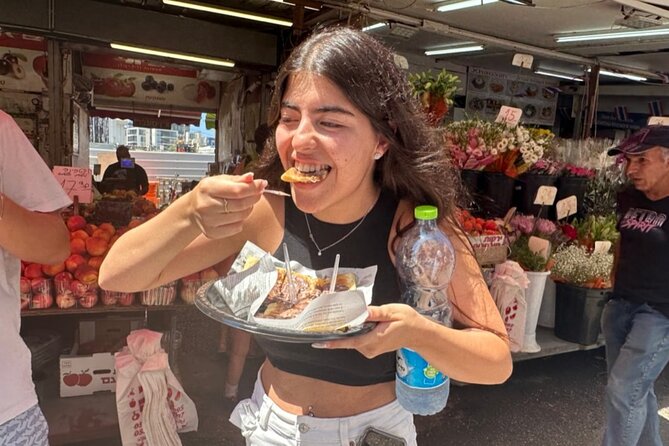
Come hungry, and let the market lead. This 90-minute Carmel Market tour brings you into Tel Aviv’s busiest food corridor, where Yemenite, North African, Middle Eastern, European, and Mediterranean cooking meet. I like the family-run food stalls and the chance to speak with vendors whose businesses have lasted for generations. I also like that the tastings add up to a substantial lunch, not just a few tiny bites.
The market’s energy is a big part of the appeal, with music, dancing, spices, bread, olives, and sweets packed into a short walk. The main drawback is timing: the advertised duration is 90 minutes, yet some tours have finished in about an hour, and the stated tour details also mention 2.5 hours. If you want a long, leisurely food crawl with drinks and fruit, this may feel limited.
Key points at a glance
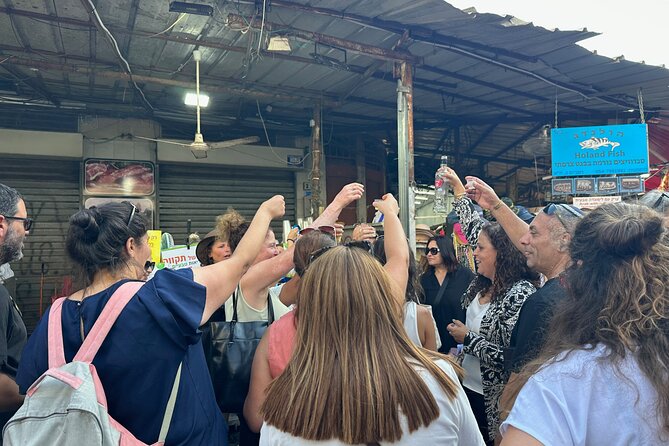
- Yemenite flavors lead the way: Expect malawach, a flaky Yemenite bread, along with pita dishes and other Middle Eastern staples.
- A substantial lunch in small market stops: Tastings include hummus, falafel, sabich, olives, bread, halva, and baklava.
- Carmel Market is part of the show: You pass clothing and general merchandise before reaching the food-heavy center of the shuk.
- The tour covers about ¾ mile: It is a compact walk, but the market’s narrow lanes and uneven flow can be difficult for people with mobility limits.
- Guide quality matters: Alina has earned warm praise for introducing familiar Tel Aviv to returning visitors, though one booking reported a late start and English-language difficulty.
- Plan for sun and crowds: Wear comfortable shoes, bring water, and carry a hat and sunscreen. The tour runs rain or shine.
Entering Carmel Market from Allenby Street
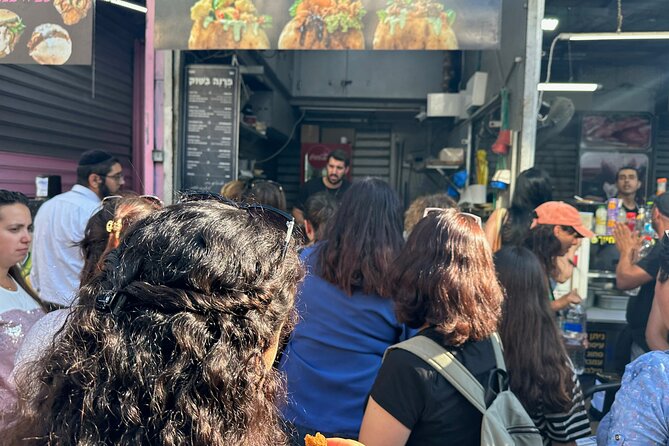
Your meeting point is outside the Poli House hotel, at the corner where Allenby Street meets Carmel Market. This is a useful starting place because the market can feel scattered at first. The entrance opens into a mix of stalls selling clothing, accessories, household goods, and inexpensive merchandise before the food stands take over.
That first stretch helps you understand Carmel Market as more than a restaurant district. It is a working neighborhood market, and the food is only one part of daily life here. Your guide explains how the shuk helped Tel Aviv grow into a multicultural city and points out the way Jewish communities from North Africa, the Middle East, and Europe shaped local cooking.
The route is short, about 1.2 kilometers, but you will not simply march from one food stand to the next. The point is to notice the details around you: piles of produce, spice displays, bakery counters, street vendors, and the constant movement through the lanes. The guide also shares stories about the market’s past and introduces vendors connected with family businesses.
I like this opening because it gives context before the eating begins. Without it, Carmel Market can be a sensory overload of colors, smells, and shouted prices. With a guide, you have a better chance of understanding why the stalls are arranged as they are and which stops are worth your attention.
More Street Food Market Tours in the world:
- Dubai: Old Town, Creek, Museums, Souks, & Street Food Tour
★ 4.8 · 10,816 reviews - Dubai: Old Town, Souks, Street Food, Guided Tour & Abra Ride
★ 4.9 · 7,170 reviews - Chef Guided Food Tour of Pike Place Market
★ 5.0 · 3,733 reviews
Malawach brings a Yemenite start
One of the most distinctive tastings is a malawach sandwich. Malawach is a thick, flaky Yemenite bread, and it gives the tour a clear local character rather than making it a generic Middle Eastern food walk.
The sandwich is a smart choice for a market tour. It is filling, easy to eat while standing, and different from the pita-based foods that appear later. You may find the buttery, layered texture heavier than expected, especially if you arrive after breakfast, so consider eating lightly beforehand.
A memorable detail from the walk is the chance to see an older woman preparing pita in a traditional way, using a pillow as part of the process. This kind of moment is more valuable than a quick stop at a polished restaurant. It connects the food on your plate with the hands and methods behind it.
The food stops are family-run, and some vendors have operated for generations. That does not mean every stop is a long conversation, but it does give the guide a reason to talk about how recipes and businesses survive across changing neighborhoods.
Hummus, falafel, and the case for arriving hungry
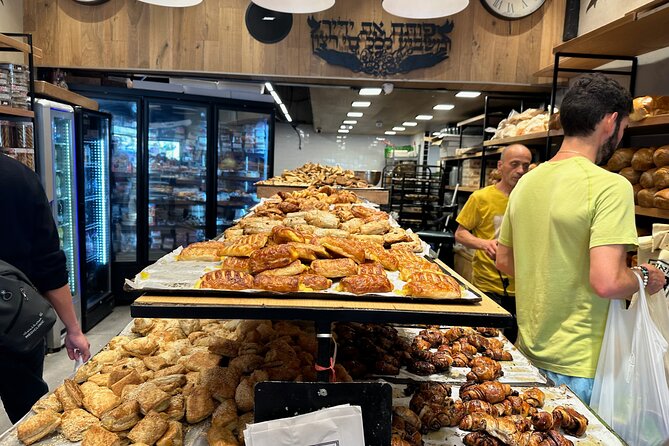
The tour continues through classic Middle Eastern foods. Hummus, fresh falafel, Syrian olives, and freshly baked bread form the core of the savory tastings. You may also try sabich, a popular Israeli dish built around fried eggplant and other fillings.
These foods are familiar to many people, but a market setting changes how you experience them. Falafel is served close to where it is prepared, bread is still part of the daily rhythm, and olives and spices appear as everyday goods rather than museum pieces. I like the way this makes Israeli cuisine easier to understand. It is not one narrow tradition. It is a meeting point for many communities and ingredients.
The tour also includes shredded beef in pita. That adds a meatier option to the route and helps explain why the samples can equal a full lunch. Do not book this expecting a handful of decorative nibbles. You may leave comfortably full, particularly if you sample everything offered.
There is a limit, though. One account described all four tastings as bread-based and noted the lack of drinks or fruit. The available food list is broad, but the actual balance can depend on the day, the vendor, and the guide’s route. If fresh produce and beverages are your main reason for booking, set your expectations carefully.
Sweets, spices, and a short lesson in Israeli cooking
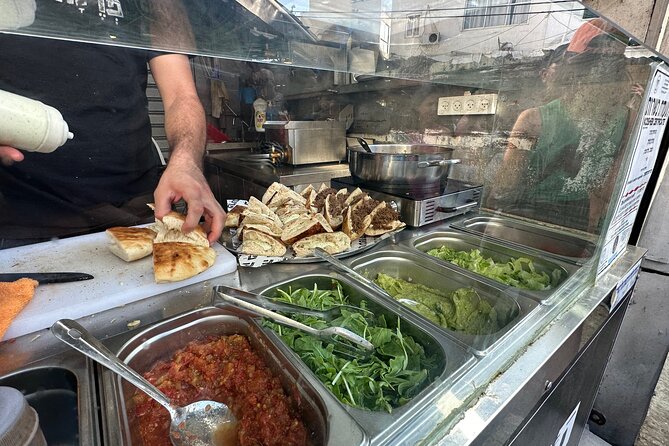
The final part of the tasting usually turns toward sweet foods and pantry staples. Halva and baklava provide the dessert side, while fragrant spices and market breads show how much of the shuk is built around ingredients rather than prepared meals.
Halva is dense and sesame-based, while baklava brings layers of pastry and sweetness. These are small foods with a big cultural footprint across the region. Tasting them after savory dishes makes the food route feel complete, even if you are hoping for more variety.
The guide can also point out spice stalls and explain how ingredients from different traditions appear together in Israeli cooking. The tour’s strongest cultural lesson is here: hummus, falafel, sabich, malawach, olives, pita, and sweets do not all come from one single culinary source. They reflect migration, trade, local produce, and family cooking.
The experience is better for this explanation than it would be as a simple list of samples. If you already know Middle Eastern food, you may find some tastings familiar. The added value comes from learning where the dishes fit within Tel Aviv’s mixed food culture and from seeing them prepared in a working market.
More Food and Drink Trips in the world:
- Bangkok by Night: Temples, Markets and Food Tuk-Tuk Tour
★ 5.0 · 3,752 reviews - Tokyo Tsukiji Fish Market Food and Culture Walking Tour
★ 5.0 · 3,184 reviews - Bangkok: Markets, Temples and Food Night Tour by Tuk Tuk
★ 4.9 · 2,371 reviews - London Bridge & Borough Market Food Tour with 7 Authentic Dishes
★ 5.0 · 1,972 reviews
The human side of the shuk
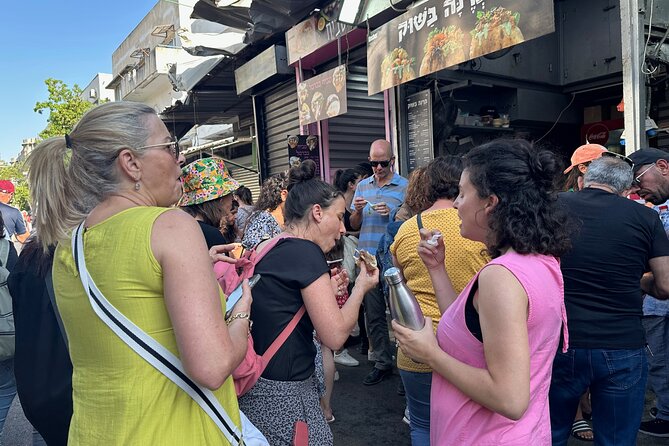
Carmel Market can be noisy and crowded, but the best moments are often quiet ones. You might watch a vendor shape dough, notice a family working behind a counter, or see shoppers selecting olives and bread for their own kitchens.
The guide helps turn those observations into a story. Alina has received especially strong praise for introducing new foods to people who had visited Israel before. That is useful if you have already seen the major sights and want a different way into Tel Aviv.
At the same time, guide performance is important here. One booking reported that Alina arrived late, that the tour ended before the expected 90 minutes, and that speaking English was difficult. Other feedback describes her as warm and excellent, so the experience may vary. Because the route is compact, a late start or a short explanation can make the tour feel noticeably shorter.
The provider also takes photos during the experience. These can be sent to you through WhatsApp or Dropbox, which is a nice extra if you are comfortable being photographed. If you prefer not to appear in pictures, tell the guide at the start.
How long the tour really feels
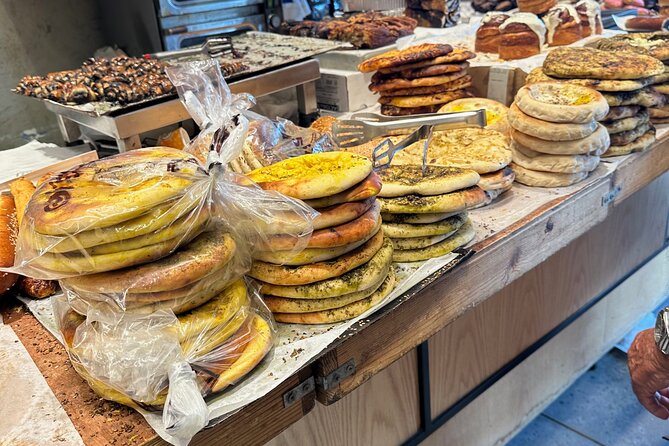
The advertised duration is 90 minutes, with a walking distance of about ¾ mile. That makes this an easy addition to a morning or afternoon in Tel Aviv. You are not committing half a day to a single neighborhood.
The supplied details also describe the experience as a 2.5-hour walking tour with food stops. That conflicts with the stated 90-minute duration, and actual timing has reportedly ranged from about one hour to under two hours. I would plan around 90 minutes rather than count on 2.5 hours.
That uncertainty matters because food tours are often judged by pace. A one-hour route can be enjoyable if the stops are well chosen and the guide gives clear explanations. It can feel thin if you expected a longer meal, more drinks, or a wider range of foods.
If you have an important museum booking or transportation connection afterward, leave extra time. Carmel Market’s lanes can slow the group, and a food stop may take longer than expected. The tour does not require a long walk, but it does require patience in a crowded market.
What the $63 price buys you
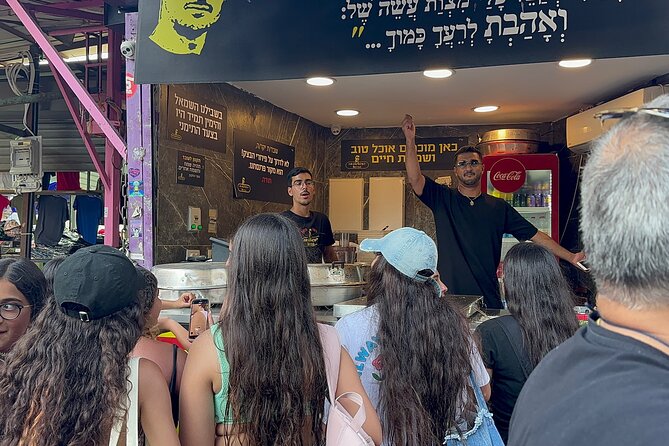
At $63 per person, this is not the cheapest way to eat in Carmel Market. You could buy individual falafel, bread, sweets, and other snacks on your own for less. The price makes more sense if you value the guide, the introductions to family vendors, and the background on Tel Aviv’s food culture.
The included tastings are substantial enough to replace lunch. That improves the value, especially if you would otherwise pay for a separate meal. You are also paying for someone to remove much of the guesswork from a market that can be confusing on a first visit.
Still, the value depends on quantity and timing. If your tour lasts close to 90 minutes and includes the advertised range of foods, the price is reasonable for a guided cultural meal. If it runs for only an hour and focuses on four bread-heavy tastings without a drink or fruit, you may feel you paid mainly for the introduction.
Additional purchases are not included. Bring some cash or a payment card if you want to buy spices, sweets, bread, olives, clothing, or other goods, but treat shopping as optional rather than part of the paid experience.
Comfort, access, and weather
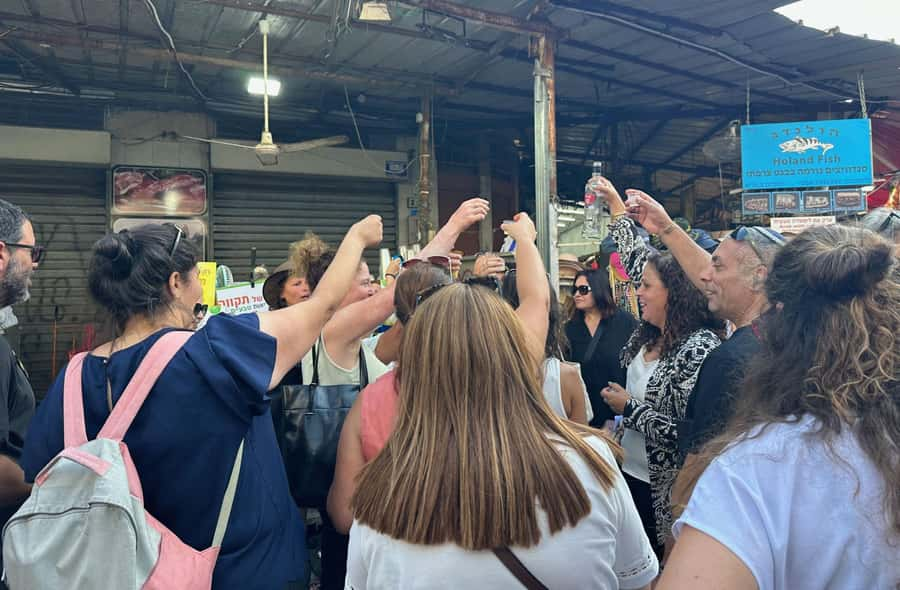
Wear comfortable shoes. The walk is not long, but the market has narrow lanes, constant foot traffic, and the sort of uneven movement that can make sandals or hard shoes annoying.
Bring water, sunscreen, and a sun hat. The route takes place outdoors, and the tour runs rain or shine. Tel Aviv’s sun can make a short walk feel much longer, particularly when you are standing near food stalls and stopping often.
This tour is not recommended for wheelchair users or people with mobility impairments. Infants from 0 to 1 are free, but they do not receive food samples. Children and infants must be accompanied by at least one paying adult, and the maximum group size is 15 people.
A private group is available if you want a more personal pace or have a family group with particular needs. The standard tour is in English, so you should be comfortable following explanations in that language.
Who will enjoy this Carmel Market walk
I would choose this tour if you want a quick, guided introduction to Tel Aviv food and prefer tasting several local specialties over sitting in one restaurant. It suits first-time visitors who want help finding the food center of Carmel Market, as well as returning visitors who want a fresh angle on the city.
It is also a good fit for curious eaters who enjoy learning how migration and family traditions shape a national cuisine. The Yemenite angle, especially the malawach, gives the route more personality than a basic falafel-and-hummus outing.
I would hesitate if you want a long food tour, a drink with every stop, fresh fruit, or a carefully timed itinerary. I would also avoid it if you use a wheelchair or have trouble walking through tight, crowded market lanes.
Free cancellation is available up to 24 hours before the start, and you can reserve now and pay later. Those policies help if your Tel Aviv schedule is still moving around, but they do not solve the main question: how much time and food variety will your particular departure provide?
Should you book it?
Book it if you want a compact market introduction with enough food for lunch, a local guide, and a clear Yemenite and Middle Eastern flavor. The strongest parts are the family vendors, the lively market setting, the malawach, and the chance to see traditional preparation up close.
Skip it if your priority is a long, highly varied food crawl with drinks and fruit. Before paying, confirm the current starting time and duration, then arrive hungry, wear sensible shoes, and keep your schedule flexible. For the right expectations, this is a useful and flavorful first look at Carmel Market.
FAQ
Where does the Carmel Market food tour meet?
Meet outside the Poli House hotel, at the corner where Carmel Market meets Allenby Street.
How long does the tour last?
The stated duration is 90 minutes. The tour details also describe a 2.5-hour walking tour, while some departures have lasted about one hour. Plan for roughly 90 minutes and allow extra time.
How much walking is involved?
The route covers about ¾ mile, or 1.2 kilometers, through Carmel Market.
What food is included?
Food tastings may include malawach, shredded beef in pita, hummus, falafel, Syrian olives, sabich, freshly baked bread, halva, and baklava. The tastings are described as equal to a substantial lunch portion.
Is the tour offered in English?
Yes. The live tour guide speaks English.
Can I book a private group?
Yes. A private group option is available.
Is the tour suitable for wheelchair users?
No. The tour is not recommended for wheelchair users or people with mobility impairments.
More Food Trips in the world
- Tokyo: Tsukiji Fish Market Food and Walking tour
★ 5.0 · 1,724 reviews - Dubai: Old Town, Souks, Street Food, Guided Tour & Abra Ride
★ 5.0 · 1,664 reviews - Small Group Cooking Class & Market Food Tour in Florence
★ 5.0 · 1,574 reviews - Dubai: Old Town, Street Food, Creek, Souks, & Emirati House
★ 4.9 · 1,496 reviews
Just added around the world
- Half-day Dandan Noodles Cooking Class with a Local Market Visit★ 5.0 · 8 reviews
- Three-Hour Private Chengdu Tea Wholesale Market Tour★ 5.0 · 4 reviews
- 3-Hour Herbal Wholesale TCM Market and a Local Wet Market Tour★ 5.0 · 4 reviews
- Moroccan Cooking Class with a Local Family & Market Visit★ 5.0 · 16 reviews
- Charleston International Sweet Treats & Historic City Market Tour★ 5.0 · 22 reviews
- Chania Old Town, Public Market and Chrisopigi Monastery Tour★ 4.5 · 6 reviews
- Chania: Old Town, Public Market, Hill of Prophet Elias, Agia Triada★ 5.0 · 35 reviews
- Cesarine: Market Tour & Home Cooking Class in Catania★ 4.0 · 6 reviews
Street Food Market Tours, compared.
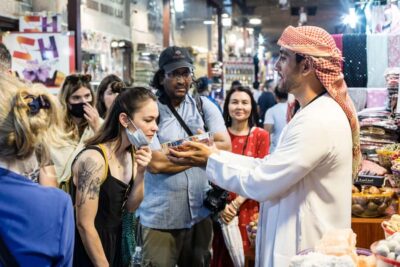
Old Town, Creek, Museums, Souks, & Street Food Tour
Read our review →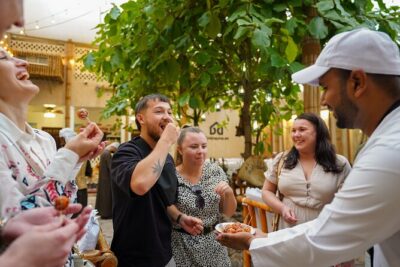
Old Town, Souks, Street Food, Guided Tour & Abra Ride
Read our review →

London Bridge & Borough Market Food Tour with 7 Authentic Dishes
Read our review →
Old Town, Souks, Street Food, Guided Tour & Abra Ride
Read our review →
Small Group Cooking Class & Market Food Tour in Florence
Read our review →
Browse the lists this tour appears in