
Review · ISRAEL
Tel Aviv: 2-Hour Levinsky Market Tour with Full Lunch
Follow the spices south. Levinsky Market gives you a tasty look at Tel Aviv through Persian, Balkan, Bukharan, Bulgarian, Polish, and North African food traditions. I like the mix of tastings and neighborhood stories, and I like having a local English-speaking guide explain why this market developed as it did. The colorful stalls, bakeries, spice shops, and small eateries make this feel more personal than a standard city walk.
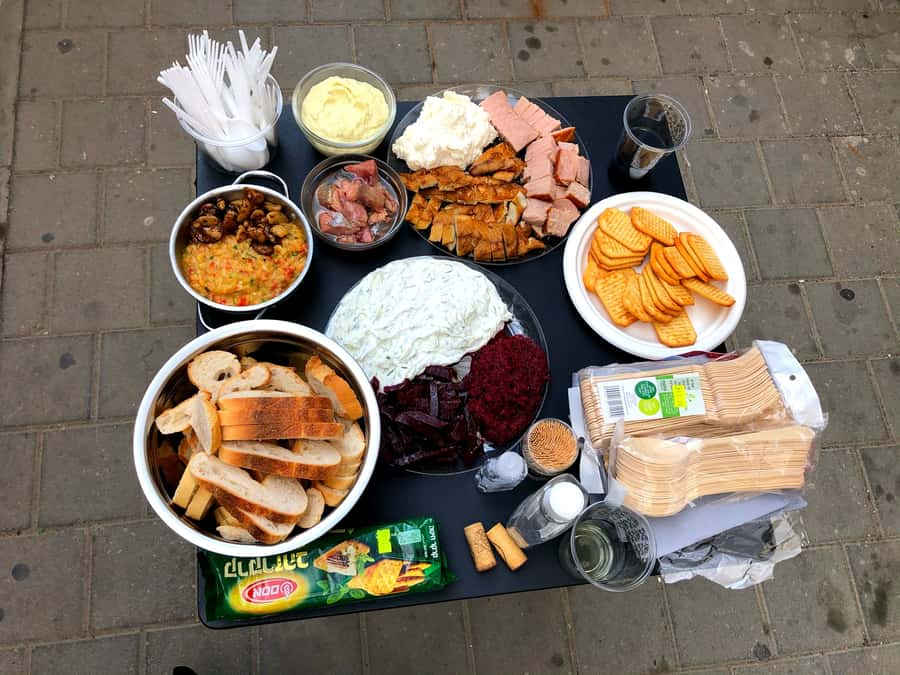
The main caution is the phrase full lunch. One past participant found the portions too small to count as a proper lunch, while others found the food excellent and plentiful enough for the experience. At $88 per person, you are paying for guided access, several tastings, and context, not simply a cheap meal. Come hungry, but keep your expectations realistic.
Key points to know before you book
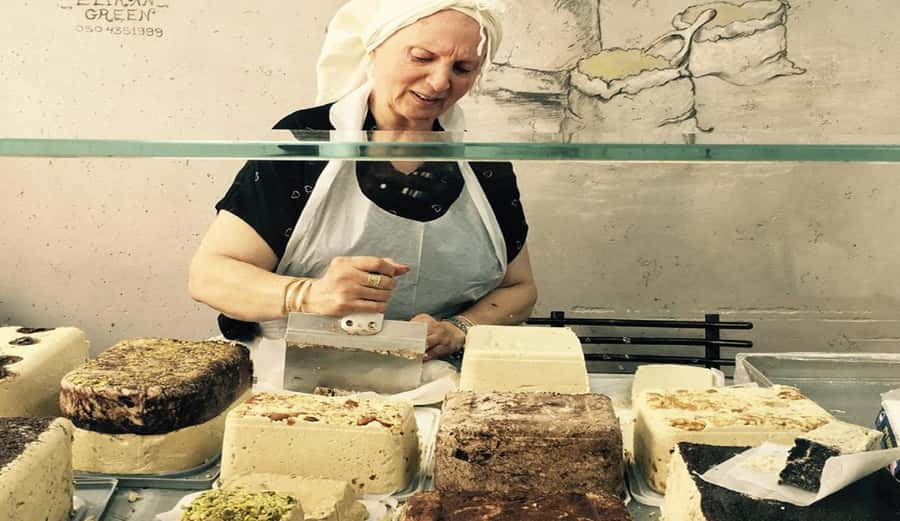
- Levinsky Market grew from a wholesale spice center into a food quarter shaped by immigrants from Bulgaria, Persia, the Balkans, Poland, North Africa, and Bukhara.
- The food is the main event, with regional snacks, local baked goods, spices, and other delicacies served during the walk.
- The guide makes a big difference, and past departures have featured Jenny, Ivrat, Zita, Yaniv Ephod, and Ronnie.
- Two hours goes quickly, so this is a focused introduction rather than a slow, meal-length exploration of every market lane.
- The $88 price is fair only if you value explanation and variety, since the meal portions may feel modest to a big eater.
- The tour needs at least six registered participants, and it is offered in English with wheelchair access listed.
Why Levinsky Market makes a good food stop
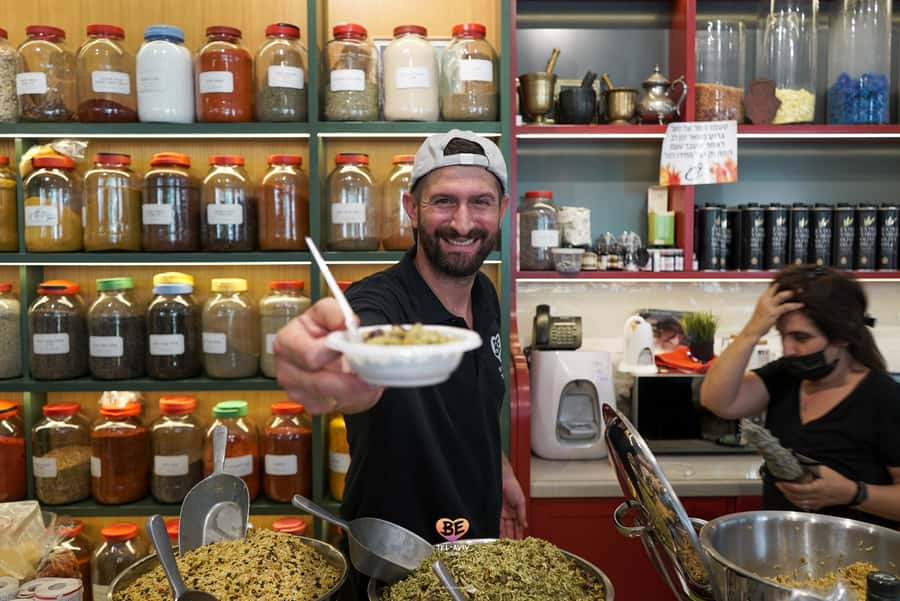
Levinsky Market is not presented as a grand monument or a formal dining district. Its appeal comes from the way food traditions meet in a compact part of south Tel Aviv.
The market began as a trading center for people living in the new city of Tel Aviv. New arrivals from several parts of Europe, the Middle East, North Africa, and Central Asia brought their own ingredients, recipes, and habits. Over time, those influences shaped the food shops and restaurants you find here today.
That background gives the tour a useful purpose. You are not just stopping at a stall, trying a bite, and moving on. You are learning why certain spices, baked goods, and prepared foods belong in this neighborhood. I find that kind of context helps you notice more on your own after the tour ends.
The market also changed with time. It began largely as a wholesale spice center, then developed into a more varied food area with specialty shops and restaurants. That shift is important because it explains why Levinsky Market can feel both old-fashioned and contemporary at once.
More Lunch Trips in the world:
- Cooking Class and Lunch at a Tuscan Farmhouse with Local Market Tour from Florence
★ 5.0 · 4,831 reviews - Paris Cooking Class and Lunch with Wine plus Market Visit Option
★ 5.0 · 1,024 reviews - Cairo: Private Pyramids, Museum & Bazaar Tour with Lunch
★ 4.6 · 744 reviews
Starting with the market’s immigrant food traditions
The tour is built around the market’s cultural mix. The exact tasting order can vary, and no fixed list of stops is provided, but you can expect regional specialties, savory snacks, baked goods, and spices.
The strongest part of the experience is likely to be the connection between food and migration. Bulgarian and Balkan traditions sit alongside Persian, Bukharan, Polish, and North African influences. That is a useful reminder that Israeli food is not one single style. It developed through many communities bringing familiar flavors into a new setting.
Your guide should help connect the samples to those communities. Past guides have been praised for giving extra background, anecdotes, and food explanations in clear English. Yaniv Ephod was especially appreciated for his command of the market, its past, and its food. Ivrat was praised for adding side stories and personal details, while Jenny brought humor and helped the group work well together.
Those comments point to an important practical fact: the guide is central to the experience. You can walk through Levinsky Market by yourself, but you may not know which foods matter or how the shops fit into the neighborhood’s story. A good guide turns a series of tastings into a readable tour.
Tasting snacks, baked goods, and spices
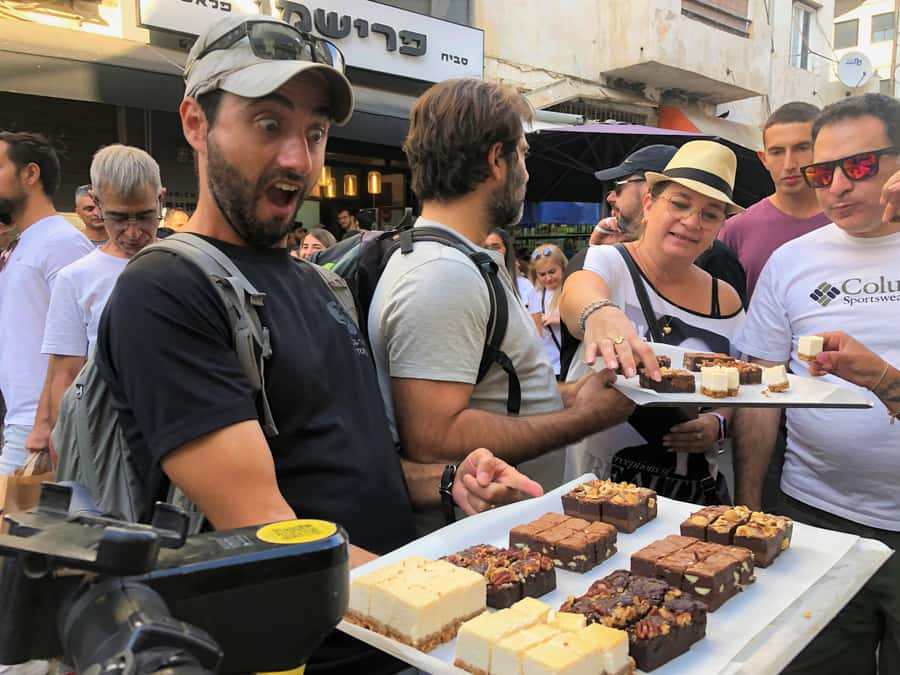
The food stops are meant to add up to lunch. Expect small portions served across several tastings rather than one large plate at a restaurant.
You may try local baked goods, regional delicacies, and snacks from food stalls or specialty shops. The description also gives special attention to pure spices, which makes sense in a market that began with wholesale spice trading. Even if you are familiar with Israeli food, the seasoning and preparation styles can show you a different side of the city.
I like this format for people who want variety. Instead of committing to one dish, you get several chances to test something new. It also works well for couples or small groups who enjoy comparing tastes and discussing what they have just eaten.
Still, you should not treat the tour as an all-you-can-eat event. One person found the combined portions too small and felt that some of the food was only average. That criticism matters, especially at $88. If you have a large appetite, plan to eat a little before or after the tour, depending on the starting time.
Other participants found the food delicious, fantastic, or awesome, so the tasting quality appears to depend partly on the day’s selection and your own preferences. The fairest way to view it is as a guided sampling of the market, with lunch included, rather than a restaurant meal with generous servings.
The guide’s role in making the two hours count
Two hours is enough for an introduction, but not enough for every corner of Levinsky Market. The tour has to keep moving between food stops and explanations.
A strong guide will help you use that limited time well. Jenny was praised for being friendly, humorous, and good at bringing a group together. Ronnie was described as considerate, and Zita was praised for warmth and detailed food knowledge. Those qualities matter because food tours can become awkward when the group is large or the pace is poorly managed.
The minimum group size is six registered participants. That requirement may help create a social tour, but it also means the experience depends on the final group. A cohesive group can make the tasting stops more fun. A less compatible group may make two hours feel tighter.
The available information does not give a maximum group size, exact meeting point, or fixed list of vendors. I would check those details before booking, especially if you need a precise route or have mobility concerns. Wheelchair access is listed, which is useful, but the market itself may still include busy passages and shop entrances that are worth confirming with the provider.
More Two-Hour Tours in the world:
- 2 Hour Historic Market Food Tour and Hands-On Biscuit Class
★ 5.0 · 251 reviews - 2-Hour Food, History and Street Art Tour of Ponce City Market
★ 5.0 · 159 reviews - Palermo in 2 hours Main monuments and historic markets
★ 5.0 · 136 reviews - Taipei: 2-Hour Raohe Night Market Walking Tour
★ 4.6 · 69 reviews
What the neighborhood story adds
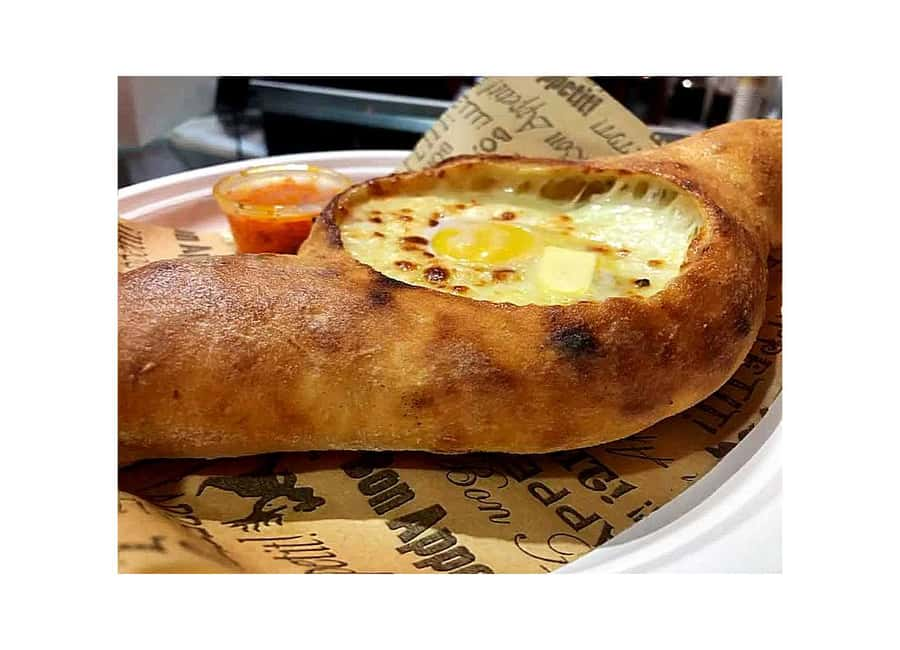
The surrounding area is part of the point. You are hearing about a part of south Tel Aviv that was shaped by trade, migration, and food businesses.
This is not a tour built around famous landmarks. Its value comes from ordinary places that reveal how a city works: shops that sell ingredients, stalls that serve quick food, and businesses that carry traditions from one generation or community to the next.
I find that especially useful early in a Tel Aviv visit. The tour can give you a sense of the city beyond beaches, nightlife, and major attractions. It also teaches you what to look for when you return on your own. A spice shop or bakery that seemed anonymous before may make more sense after the guide explains its place in the market.
The atmosphere is described as colorful and lively, but you should expect a working market rather than a polished museum. That means the experience may feel more genuine, yet it can also be less orderly. You are there to see food businesses in action, not to follow a perfectly staged culinary show.
Is $88 a fair price?
At $88 per person, this is not a bargain food crawl. The price becomes easier to justify if you want three things together: a local guide, a structured introduction to Levinsky Market, and enough tastings to form a complete food experience.
You are also paying for interpretation. Without a guide, you can browse the market and buy food for less. With the tour, you get the story of the neighborhood, explanations of the market’s cultural mix, and a planned set of tastings in English.
The value depends heavily on how much food is served. Several people praised the food and described the tour as well worth trying. One participant strongly disagreed, finding the servings too small and the selection not representative enough of Israeli food. I would take both views seriously.
If you are mainly looking for a large lunch, $88 is hard to defend. If you want a short food-and-history experience and see the tastings as part of a guided city visit, the price is more reasonable. It is best for people who enjoy learning what they eat, not for anyone measuring value by plate size alone.
Who will enjoy this tour most?
I would recommend it to first-time visitors who want a gentle introduction to Israeli food culture. The guide supplies the explanation, and the tasting format lets you sample several traditions without planning a restaurant itinerary yourself.
It also suits curious eaters who like spices, baked goods, and food from different regional traditions. If you enjoy asking where ingredients came from and how communities changed a city, you will get more from this than someone who only wants a quick meal.
The tour may work well for a mixed group with different food interests because the menu is spread across multiple stops. That said, the supplied information does not identify vegetarian, vegan, kosher, allergy, or other dietary arrangements. If any of those issues apply to you, ask Be Tours before reserving.
Families and older visitors may appreciate the short two-hour length. Wheelchair access is listed, but I would still confirm the route and shop access in advance if you need a fully step-free experience.
Practical timing and booking advice
The duration is two hours, with several possible starting times shown through availability. That makes it easy to place the tour between other Tel Aviv plans, but you should check the actual start time before arranging transport or meals around it.
The tour is conducted in English by a live local guide. English-language ability is important here because the stories about migration, food, and neighborhood change are a major part of what you are paying for.
The tour runs only when at least six people are registered. That is the most important booking condition to understand. If your schedule is tight, allow some flexibility in case the required group size is not reached.
Cancellation is free up to 24 hours before the tour for a full refund. You can also reserve now and pay later, which helps if you are still arranging your Tel Aviv schedule.
What the ratings tell you about the experience
The overall rating is 4.7 from 10 reviews, with most scores giving full marks. The repeated praise is quite specific: friendly guides, clear English, good humor, strong food knowledge, and enjoyable tastings.
Those comments suggest that the human side of the tour is its safest strength. The guides are not simply there to lead you from one food stop to another. They are expected to explain, entertain, and keep the group connected.
The food also receives frequent praise, with several people describing it as delicious or fantastic. But the one low score focuses on portion size and the feeling that the food did not represent Israeli cuisine broadly enough. That gives you a useful warning: food tastes are personal, and the phrase full lunch should not be read as a large, conventional meal.
I would book this for the stories and the range of samples first, then regard the meal as an added benefit. That approach gives you a better chance of feeling the tour delivered good value.
Should you book the Levinsky Market tour?
Book it if you want a compact, guided introduction to Tel Aviv’s food culture, especially the way immigrant communities shaped Levinsky Market. The strongest reasons are the local English-speaking guides, the mix of spices and regional foods, and the chance to hear neighborhood stories while tasting your way through the market.
Skip it if your top priority is a large lunch for $88, or if you want a detailed tour of every part of Israeli cuisine. The two-hour format is focused, and the portions may feel modest.
For most curious first-time visitors, I think it is a worthwhile way to spend part of a day. Just arrive expecting a series of guided tastings with context, not a long restaurant meal.
FAQ
Where does the tour take place?
The experience takes place at Levinsky Market in south Tel Aviv, in Israel’s Central District.
How long does the tour last?
The tour lasts two hours.
What is included in the price?
The price includes a full lunch and a local English-speaking guide.
What language is the tour offered in?
The live tour is offered in English.
What kinds of food can I expect?
You can expect regional specialties, snacks from food stalls, local baked goods, delicacies, and high-quality spices. The exact tasting selection is not specified.
Is the food served as one large meal?
No exact serving format is provided. The tour includes several tastings, and the food is intended to add up to a full lunch. Portions may feel small if you expect one large meal.
How much does the tour cost?
The listed price is $88 per person.
Is the tour wheelchair accessible?
Yes. Wheelchair accessibility is listed for the activity.
Does the tour require a minimum number of participants?
Yes. At least six registered participants are required for the tour to take place.
Can I cancel for a full refund?
Yes. You can cancel up to 24 hours in advance for a full refund.
Just added around the world
- Half-day Dandan Noodles Cooking Class with a Local Market Visit★ 5.0 · 8 reviews
- Three-Hour Private Chengdu Tea Wholesale Market Tour★ 5.0 · 4 reviews
- 3-Hour Herbal Wholesale TCM Market and a Local Wet Market Tour★ 5.0 · 4 reviews
- Moroccan Cooking Class with a Local Family & Market Visit★ 5.0 · 16 reviews
- Charleston International Sweet Treats & Historic City Market Tour★ 5.0 · 22 reviews
- Chania Old Town, Public Market and Chrisopigi Monastery Tour★ 4.5 · 6 reviews
- Chania: Old Town, Public Market, Hill of Prophet Elias, Agia Triada★ 5.0 · 35 reviews
- Cesarine: Market Tour & Home Cooking Class in Catania★ 4.0 · 6 reviews
Market Tours, compared.

Damnoen Saduak Market and Maeklong Railway Market
Read our review →
The Old Siam: Damnoen Saduak and Maeklong Railway Market
Read our review →
Old Town, Creek, Museums, Souks, & Street Food Tour
Read our review →Train Market & Floating Market with Boat Ride
Read our review →
Old Town, Souks, Street Food, Guided Tour & Abra Ride
Read our review →
Ayutthaya & Ayothaya Floating Market Day Trip
Read our review →
Frame Tickets, Creek, Souks & Blue Mosque Guided Tour
Read our review →
Hanoi Cooking Class: Culture, Local Market & Meaning CSR Impact
Read our review →Browse the lists this tour appears in