
Review · TANZANIA
Moshi: Town tour and Local Markets tour
Markets tell Moshi’s story in plain sight. This three-hour tour links the old train station with three local markets, a coffee stop, the bus stand, and a community-minded craft shop. I like the clear contrast between the markets and the chance to taste fresh fruit. I also like that guide Isaac, often called Zac, explains daily business rather than simply pointing at stalls. The main consideration is that this is a working town tour, not a polished sightseeing circuit, so expect walking, traffic, noise, and ordinary market conditions.
At $25 per person, the experience offers good value if you want help making sense of Moshi. Hotel pickup and drop-off, bottled water, an English-speaking guide, and about three hours of local context are included. Food and drinks cost extra, and the itinerary moves at a fairly brisk pace, with short visits at most stops.
Key points to know before booking
- The train station sets the scene: Learn about Moshi’s railway connections and pause for photographs with a possible view toward Mount Kilimanjaro.
- Three markets show different sides of town: Manyema, Mbuyuni, and the Main Market each serve a different purpose.
- Fruit tasting is part of the visit: You can sample local produce while learning how food reaches market.
- Isaac is the central strength: He is praised for clear English, warm service, flexible timing, and detailed explanations.
- Coffee, SIM banking, and transport are included: The tour looks at everyday systems, not just souvenirs and photo stops.
- The final shop has a social purpose: Blue Zebra Art sells crafts, souvenirs, and Tanzanite, with sales supporting disabled makers and community projects.
Why this Moshi tour is worth your morning
Moshi is often treated as a launching point for Mount Kilimanjaro. That is practical, but it misses the town itself. This tour gives you a closer look at how people shop, sell, travel, save money, and meet daily needs.
I especially like the focus on economic activity. You are not just shown a pile of bananas or a row of clothing stalls. Isaac explains how the places function and how one market differs from another. That turns a quick walk into a useful introduction to town life.
The tour begins with pickup from your lodging in Moshi Urban. From there, you travel into town with a local guide rather than trying to find each market on your own. Transport matters here because the route covers several separate areas, and the return to your lodging is included.
The tour is conducted in English. Isaac has been praised for speaking clearly and for taking time with questions. He also appears willing to adjust the outing when practical. Past visitors have arranged earlier starts, stopped at a pharmacy, visited a supermarket, exchanged money, or received help with other town errands. Those extras should not be treated as guaranteed inclusions, but they suggest a guide who pays attention to what you need.
A few more market tours around the world worth a look
- Bangkok: Damnoen Saduak Market and Maeklong Railway Market
★ 4.5 · 26,723 reviews - The Old Siam: Damnoen Saduak and Maeklong Railway Market
★ 4.5 · 10,992 reviews - Dubai: Old Town, Creek, Museums, Souks, & Street Food Tour
★ 4.8 · 10,816 reviews
The train station and a first look toward Kilimanjaro
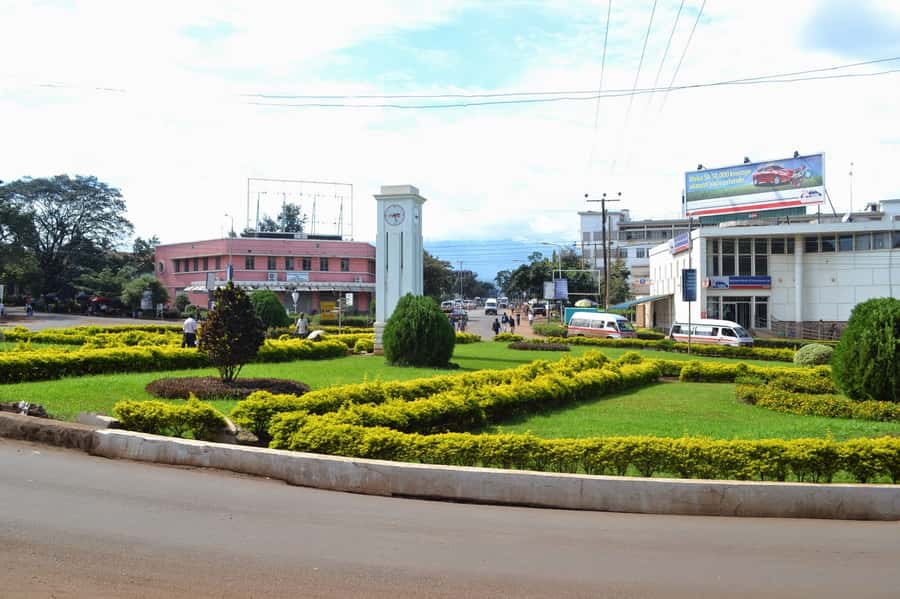
The old train station is the opening stop, with about 25 minutes for a visit, photos, and an explanation of the railway. It is a smart beginning because it places Moshi in a wider story of transport, trade, and movement.
You can take photographs from the station area, including a panorama toward Mount Kilimanjaro when conditions allow. The mountain view is weather-dependent, so I would treat it as a welcome possibility rather than the reason to book the tour. The station itself gives the morning a historical starting point before you enter the markets.
One past outing had an especially lucky moment when a train from Dar es Salaam arrived as the group reached the station. That kind of event cannot be scheduled, but it shows why a working railway station can be more interesting than a static monument.
The stop is brief. You will not get a long railway lecture or a full museum visit. Instead, expect a compact introduction, photographs, and a sense of how the town connects with other parts of Tanzania.
Manyema Market, where the town begins to feel practical
Manyema Market receives about 25 minutes. This is a short visit, but the guide helps you look at the market as a place of work and supply rather than a backdrop for pictures.
You might see food sellers, produce, clothing, and other everyday goods. The exact stalls and activity can change, since this is a functioning market. Isaac explains what is being sold and how local people use the space.
This stop works well if you are new to East African markets and are not sure how to behave. You can follow the guide, ask before taking close photographs, and learn when it is better to observe quietly. The market is not arranged for sightseeing, which is part of its value and also part of the adjustment.
The schedule allows only a short look, so do not expect time to browse every section. If you want to buy food or clothing, tell Isaac early. The tour includes visits and explanations, but purchases are not covered in the price.
Mbuyuni Market and fresh fruit tasting
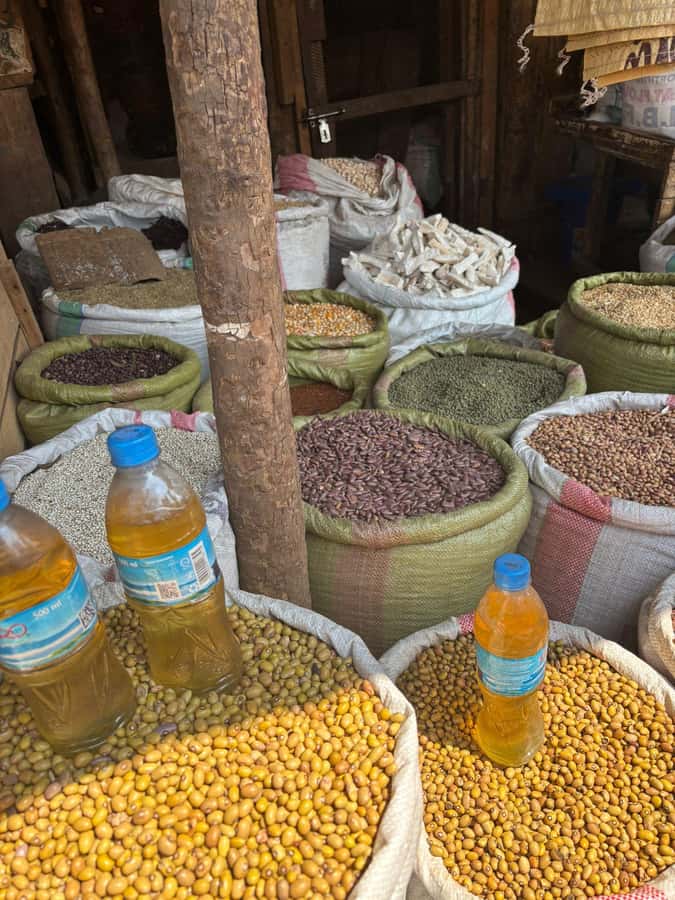
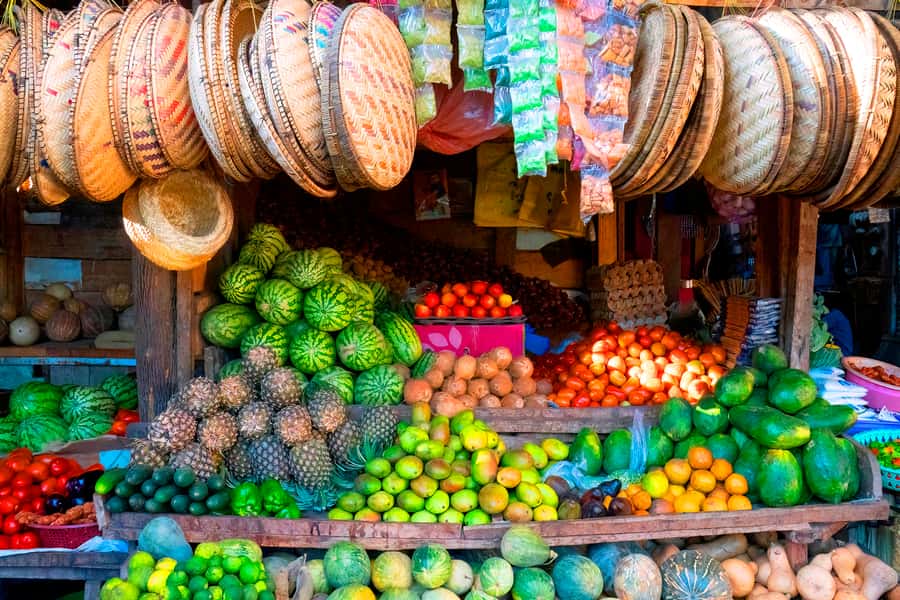
Mbuyuni Market receives another 25 minutes and is one of the main highlights. The route includes the banana market, fish market, spice market, clothing market, and a local dispensary, along with other market areas.
These sections give you a more complete view of local commerce. Food, clothing, health services, and household needs sit within the same town system. Isaac explains the economic role of the market and helps connect the stalls with everyday life.
Fruit tasting adds a simple but memorable element. You can sample different fruits and take time to notice how they look and taste compared with produce at home. Food and drinks are not included generally, but the experience specifically includes fruit sampling. If you have allergies or dietary concerns, tell the guide before tasting anything.
Mbuyuni is also where you should expect the most sensory activity: sellers calling out, people moving through narrow spaces, and the smell of fresh food and spices. That is authentic, but it may feel intense if you prefer quiet, carefully arranged attractions.
Same place, a different set of stalls:
- Bangkok: Train Market & Floating Market with Boat Ride
★ 4.7 · 9,547 reviews - Dubai: Old Town, Souks, Street Food, Guided Tour & Abra Ride
★ 4.9 · 7,170 reviews - From Bangkok: Ayutthaya & Ayothaya Floating Market Day Trip
★ 4.7 · 6,084 reviews - Dubai: Frame Tickets, Creek, Souks & Blue Mosque Guided Tour
★ 4.8 · 5,980 reviews
Main Market and the small details of money
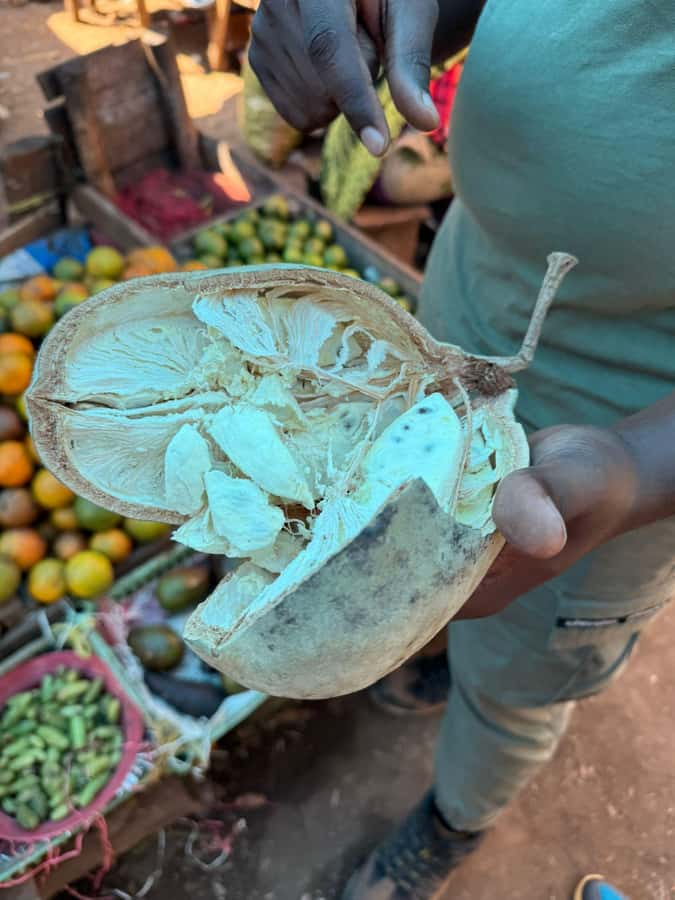
The third market is called the Main Market and receives about 25 minutes. The guide uses the walk between locations to point out local banks and explain Tanzania’s SIM banking system.
This is one of the more useful parts of the outing. Mobile banking is part of ordinary commerce in Tanzania, and understanding it helps explain how people pay, transfer money, and manage small business transactions. The tour does not present finance as a formal classroom lesson. Instead, you see the banks and hear how the system fits into daily routines.
Inside the Main Market, the focus shifts toward food and how this market differs from Mbuyuni. The distinction may be subtle if you simply walk through alone, but a local guide can help you notice the different role and feel of each place.
Again, allow about 25 minutes. The tour gives you a broad picture rather than a long shopping session. If you want to stop for a particular item or ask about prices, use the short breaks well.
Coffee Union Cafe, a welcome pause in the middle
After the markets, you stop at Coffee Union Cafe for about 20 minutes. This is the only planned break, so it gives you time to sit down, drink coffee or tea, and reset before the final stops.
Isaac is praised for knowing good coffee and tea places in Moshi, and this cafe is presented as a top local choice. The stop also adds balance to the morning. Markets can be tiring, especially in warm weather, and a seated pause makes the three-hour schedule easier to manage.
Coffee and tea are not included in the $25 price. Bring some money if you want to order something. Bottled water is included, but I would still wear light, comfortable clothing and shoes that work for walking on town streets and market surfaces.
The cafe stop is relatively short. Think of it as a refreshment break, not a long cafe visit.
Moshi Bus Stand and the business of getting around
The bus stand receives about 15 minutes. It is a brief visit, but it adds another piece to the town’s economic picture.
Here, Isaac explains how people do business around the bus station. You see a place shaped by departures, arrivals, buying, selling, and local movement. The stop helps you understand Moshi as a working hub rather than only a base for mountain trips.
The bus stand may feel less relaxed than the cafe or a market aisle. Stay close to the guide and keep your belongings secure, as you would in any busy transport area. The activity is the point, but the visit is short enough that you are not left there for long.
Blue Zebra Art and Tanzanite shopping
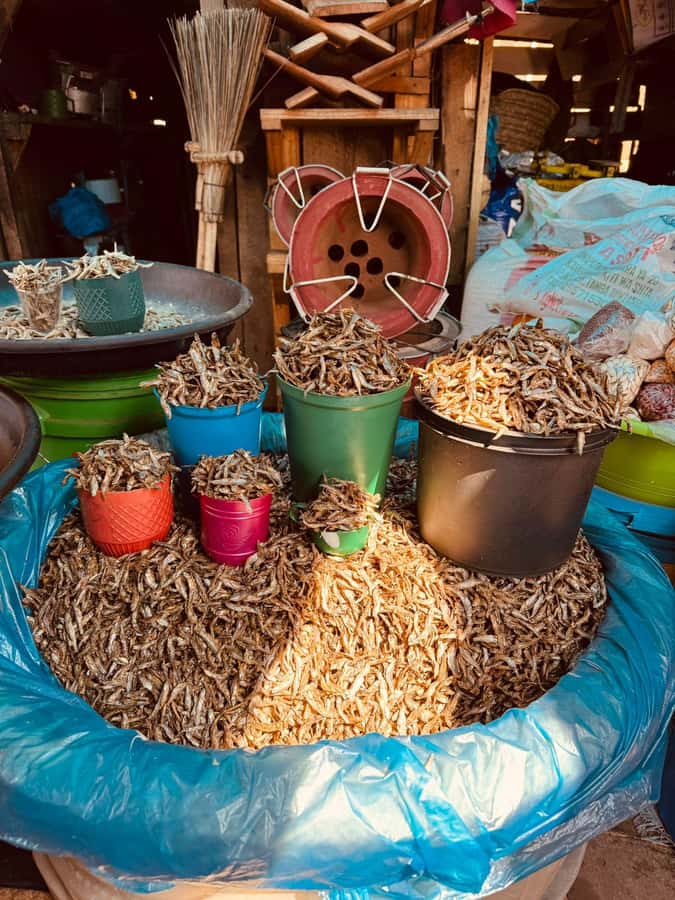
The final stop is Blue Zebra Art, Tanzanite, and Souvenir Shop. You have about 20 minutes to look at art, crafts, souvenirs, and Tanzanite.
This market has a social purpose. Many of the items are made by disabled people, and part of the income supports community work, including schooling for orphans and help for people in need. That gives the stop more meaning than a standard souvenir shop, although you should still decide for yourself what you want to buy and at what price.
Tanzanite is a valuable stone found only in Tanzania, so this is a natural place to ask questions if you are interested in local gemstones. The tour does not say that purchases are included, and they are not. If you consider buying Tanzanite, take your time, ask for documentation, and avoid feeling pressured by the limited schedule.
You can also choose not to shop. The guide will still show you the purpose of the market and the types of goods available. This is useful for people who want a cultural stop without needing to return home with souvenirs.
What Isaac adds to the experience
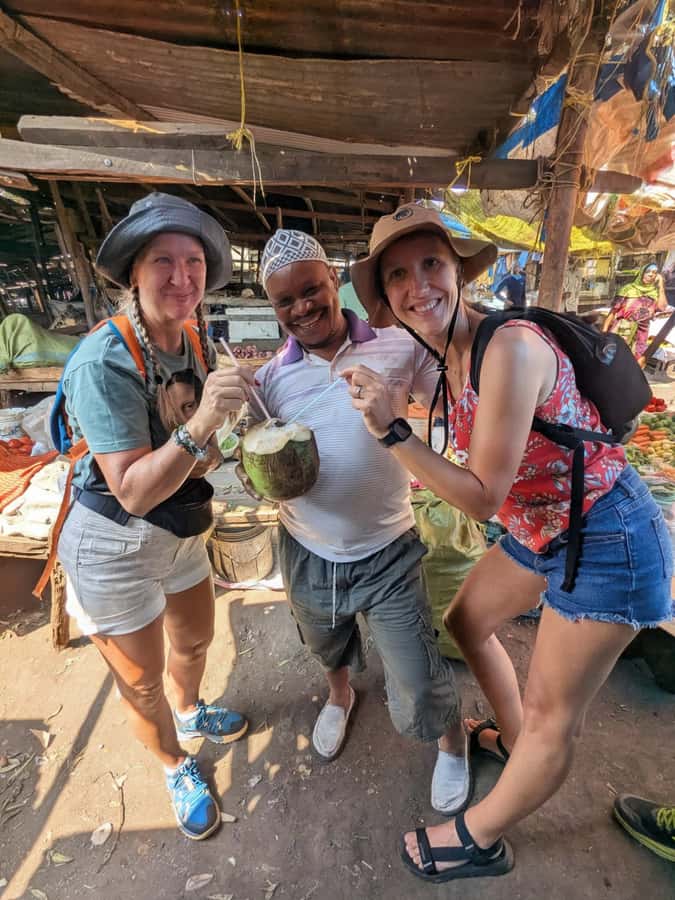
The strongest part of this tour is the guide. Isaac is repeatedly praised for being friendly, patient, reliable, and good at explaining Moshi in clear English. He is also described as professional with timing and willing to answer questions without rushing you.
That matters because markets can be confusing without context. Isaac helps you understand what you are looking at, introduces local food, explains banking, and points out differences between markets. He has also helped with practical needs such as finding a pharmacy, arranging an earlier start, recommending a local restaurant, and assisting with Kilimanjaro gear collection.
Those personal touches are not formal itinerary items, so you should not book this expecting a free taxi service around town. Still, they show that the experience can be adapted when there is time and when a request fits the route.
The tour has a very high rating from 36 published bookings, with especially strong praise for Isaac’s friendliness, safety-conscious approach, communication, and ability to make the outing feel personal. A solo woman described feeling comfortable with him, while other visitors appreciated that they saw parts of Moshi they would not have found alone.
Timing, walking, and practical comfort
The official duration is three hours. The planned stops add up to roughly three hours, including transport, walking, market visits, the cafe break, and the return to Moshi Urban. In practice, a friendly guide may spend extra time helping with a request, but you should plan around the stated duration.
Wear comfortable shoes and clothes. You will walk through markets and town streets, and you may encounter uneven ground, crowded areas, food smells, and warm conditions. Bottled water is included, but food, coffee, tea, and other drinks are extra.
The tour is conducted in English and is suited to people who want explanation rather than a silent transfer between sights. It should work well for solo visitors, couples, small groups, and people spending a short time in Moshi before or after a Kilimanjaro climb.
If you want a quiet, highly polished attraction with long stops and lots of free shopping time, this may feel rushed. If you want to understand ordinary Moshi life with a guide who can explain what you are seeing, the pace is sensible.
Is $25 a fair price?
Yes, for most people. At $25 per person, you get hotel pickup and drop-off, bottled water, an English-speaking guide, transport between stops, and three hours of explanation and local sightseeing.
The value comes less from any single attraction and more from the connections. You see the railway, markets, banks, cafe culture, bus stand, and community crafts in one compact outing. Booking each part separately would be difficult, especially if you do not speak Swahili or know Moshi.
You should budget extra for coffee, tea, food, market purchases, and souvenirs. You may also want money for Tanzanite or crafts, but buying is entirely optional.
Free cancellation up to 24 hours before the start and reserve-now, pay-later booking make it easier to fit the tour around a changing Kilimanjaro schedule. Check available starting times, since the exact departure time is not fixed in the information provided.
Should you book the Moshi town and markets tour?
Book it if you want a practical introduction to Moshi, enjoy food markets, and prefer seeing ordinary local activity over a list of famous sights. It is particularly useful during a short stay, before a mountain climb, or at the start of a longer Tanzania trip.
I would choose it for a first morning in town. You get your bearings, learn how markets work, taste fruit, see where people travel and shop, and receive useful advice from someone who knows the area.
Skip it if you dislike market noise, walking, informal trading spaces, or short stops. Also remember that the tour is not a food tour, shopping excursion, or dedicated Kilimanjaro viewpoint visit.
For most visitors, the combination of modest price, hotel transport, flexible guiding, and access to everyday Moshi makes this a strong choice. Isaac’s warm, attentive style is the reason I would give it extra weight when making the decision.
FAQ
How long is the Moshi town and markets tour?
The tour lasts three hours, including the listed town, market, cafe, bus stand, and souvenir shop visits.
How much does the tour cost?
The price is $25 per person.
Where does the tour start?
Pickup is provided from lodging in Moshi Urban.
Is hotel pickup and drop-off included?
Yes. Pickup and drop-off at your lodging are included.
Which language is the tour conducted in?
The live tour guide speaks English.
What markets are visited?
The route includes Manyema Market, Mbuyuni Market, and the Main Market.
Will I taste local food?
You can sample various fruits during the market visits. Food and drinks outside the included fruit tasting are not included in the price.
Is coffee or tea included?
No. The Coffee Union Cafe stop is included, but coffee, tea, and other drinks are not included.
Is bottled water provided?
Yes. Bottled water is included.
What should I bring?
Bring comfortable shoes and comfortable clothes for walking through town and the markets.
Can I buy souvenirs or Tanzanite?
Yes. The final stop sells arts and crafts, souvenirs, and Tanzanite. Purchases are optional and are not included in the tour price.
Can I cancel the booking?
You can cancel up to 24 hours in advance for a full refund. You can also reserve now and pay later, subject to the booking terms.
Just added around the world
- Half-day Dandan Noodles Cooking Class with a Local Market Visit★ 5.0 · 8 reviews
- Three-Hour Private Chengdu Tea Wholesale Market Tour★ 5.0 · 4 reviews
- 3-Hour Herbal Wholesale TCM Market and a Local Wet Market Tour★ 5.0 · 4 reviews
- Moroccan Cooking Class with a Local Family & Market Visit★ 5.0 · 16 reviews
- Charleston International Sweet Treats & Historic City Market Tour★ 5.0 · 22 reviews
- Chania Old Town, Public Market and Chrisopigi Monastery Tour★ 4.5 · 6 reviews
- Chania: Old Town, Public Market, Hill of Prophet Elias, Agia Triada★ 5.0 · 35 reviews
- Cesarine: Market Tour & Home Cooking Class in Catania★ 4.0 · 6 reviews
Market Tours, compared.
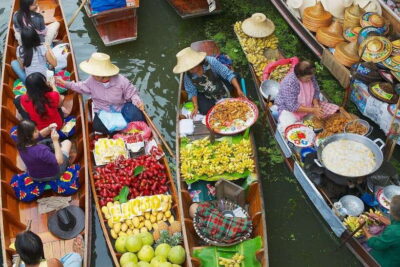
Damnoen Saduak Market and Maeklong Railway Market
Read our review →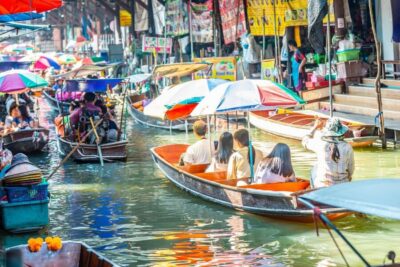
The Old Siam: Damnoen Saduak and Maeklong Railway Market
Read our review →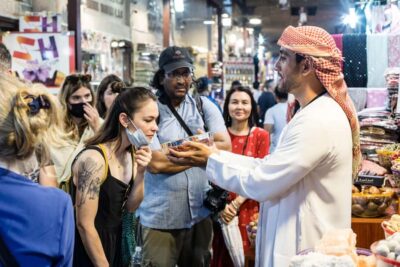
Old Town, Creek, Museums, Souks, & Street Food Tour
Read our review →Train Market & Floating Market with Boat Ride
Read our review →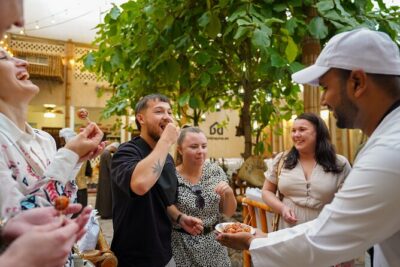
Old Town, Souks, Street Food, Guided Tour & Abra Ride
Read our review →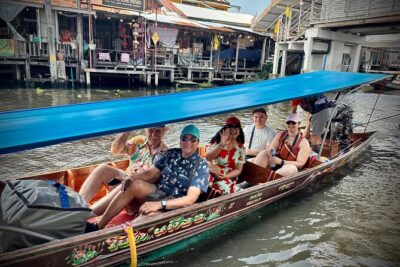
Ayutthaya & Ayothaya Floating Market Day Trip
Read our review →
Frame Tickets, Creek, Souks & Blue Mosque Guided Tour
Read our review →
Hanoi Cooking Class: Culture, Local Market & Meaning CSR Impact
Read our review →Browse the lists this tour appears in