
Review · INDIA
Bangalore: Palace, Temples, Fort & Markets Walking Tour
Old Bangalore comes at you fast. This three-hour walk links Tipu Sultan’s teak palace, Bangalore Fort, Hindu and Jain temples, and KR Market into a compact introduction to the city’s past and present. You get history, religion, street life, flowers, fruit, traffic, and plenty of local color without spending a full day on the move.
I especially like the way the tour crosses several parts of Bangalore’s story in one morning or afternoon. I also like the small-group format, limited to 10 people, since guides such as Vijay, Vasuki, Vanaja, Raghu, Ramesh, and Varun have been able to answer questions, help with photographs, and keep people together in crowded lanes. The main drawback is that the market can feel intense, and three hours may feel short if you want long visits inside every monument.
The price is $32 per person, including the guide and listed entrance fees. That is fair value if you want a strong first look at old Bangalore, especially when your time is limited. You will need to pay extra for transport to and from the starting point, and you should dress for temples and walking.
Key points to know before booking
- A 230-year-old wooden palace begins the walk: Tipu Sultan’s Summer Palace is built from teak and gives the tour a clear starting point in Bangalore’s royal past.
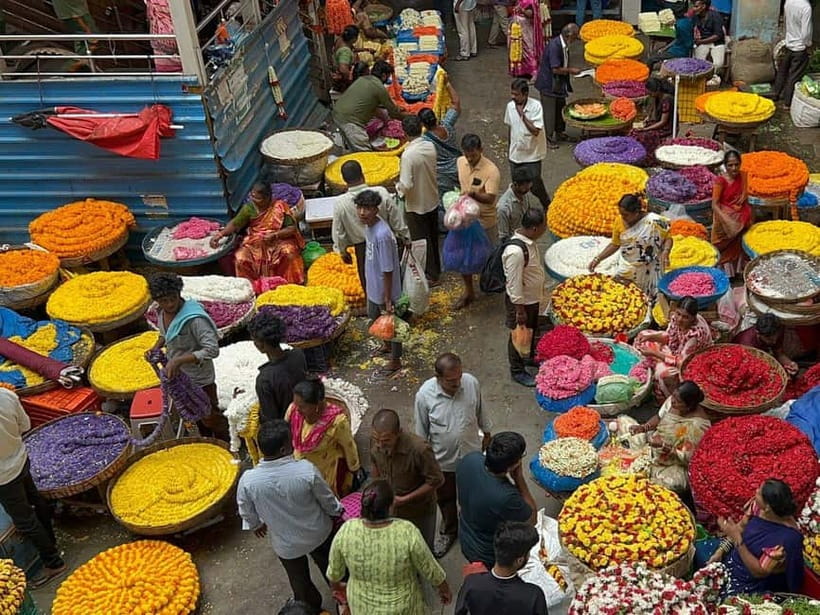
- KR Market is the sensory high point: Expect flowers, fruit, vegetables, buyers, sellers, vehicles, cows, workers, and narrow crowded streets.
- The tour connects several faiths and rulers: You move from Tipu Sultan’s Islamic-era palace to a Vishnu temple and then a Jain temple.
- Small groups make a real difference: With no more than 10 people, the guide can help with questions, photographs, shopping, and street crossings.
- Dress properly for the temples: Cover your shoulders and legs, bring a headscarf, and carry spare socks.
- This is an active city walk: Wear practical shoes and expect uneven roads, close quarters, and plenty of time on your feet.
Why this old Bangalore walk works so well

Bangalore is often presented as India’s technology center, but its older core tells another story. This walk shows you the city before office towers and software campuses took over its public image. You see how Kempegowda, Tipu Sultan, the British, religious communities, traders, and ordinary workers all shaped the city.
I like the route because it does not treat history as a string of isolated monuments. The palace explains royal power. The fort points to military change. The temples show continuing religious life. KR Market brings you back to the present, where commerce fills the streets and the city’s daily rhythm takes over.
The guides are a major part of the experience. Vijay is repeatedly praised for clear explanations, good timing, safety, photography help, and his ability to guide people through the market. Vasuki is described as warm and funny, while Vanaja has been valued for her care and enthusiasm. Raghu is particularly good at combining dates and facts with folklore and stories.
You may not get the same guide each time, but the strong pattern is clear: the experience depends heavily on the person leading it. This is not a walk where you simply collect entrance tickets and read plaques. You are paying for interpretation and local navigation.
More Market Walking Tours in India
- Bengaluru Pete City Market Half-Day Walking Tour
★ 5.0 · 163 reviews - Bangalore: Walking Tour of Fort, Palaces, and Market
★ 5.0 · 58 reviews - Bangalore Walking Tour KR Flower Market,Fort,Tippu palace
★ 5.0 · 8 reviews
Tipu Sultan’s Summer Palace sets the historical tone
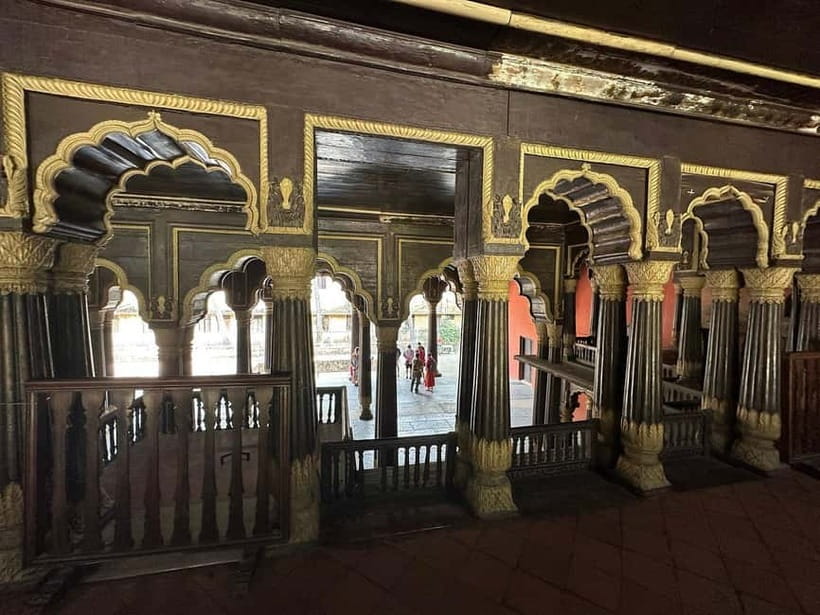
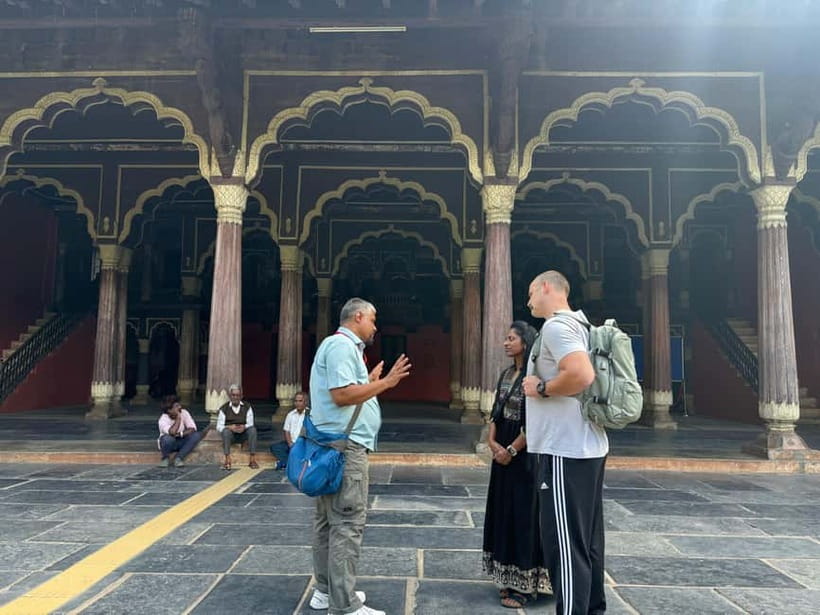
The meeting point is at the gates of Tipu Sultan’s Summer Palace. The palace is about 230 years old and made largely from teak wood, a detail that gives the first stop a very different feel from the stone forts and temples later in the route.
This is a useful place to begin because it introduces the period when Bangalore was tied to Tipu Sultan and the wider politics of southern India. Your guide can place the building within the city’s development from the 16th through the 18th centuries, including the contributions of Kempegowda and Tipu Sultan.
You should expect a guided visit rather than a long, leisurely palace session. The full walk has several stops, and the schedule needs to keep moving. I would pay attention to the woodwork, structure, and the way the palace fits into the story of old Bangalore instead of expecting a huge royal complex.
The palace is also a practical meeting point. The guide waits at the gates, so confirm the exact entrance and arrive ready to start walking. Transport from your hotel is available for an additional fee, but it is not included in the $32 price.
Bangalore Fort reveals a changing city
The next major stop is Bangalore Fort, with about 30 minutes listed for the visit. The original fort dates to the 16th century and was later renovated, making it a useful marker of how Bangalore changed under different rulers and political forces.
I like this stop because it breaks up the palace visit with a different kind of history. The palace speaks of court life and royal residence. The fort points to defense, military planning, and the importance of Bangalore as a strategic place.
Do not expect the fort to be a full afternoon attraction. Thirty minutes is enough for an explanation, photographs, and a look at the surviving structure, but not for a slow study of every detail. The guide’s storytelling matters here. A good explanation helps you understand why the fort looks as it does and how it connects to the city around it.
This is also where the tour’s historical range becomes clear. You are not hearing only about one ruler or one faith. The walk covers local foundations, Tipu Sultan’s period, later British influence, and Bangalore’s eventual growth into India’s technology center.
A 320-year-old Vishnu temple adds living tradition
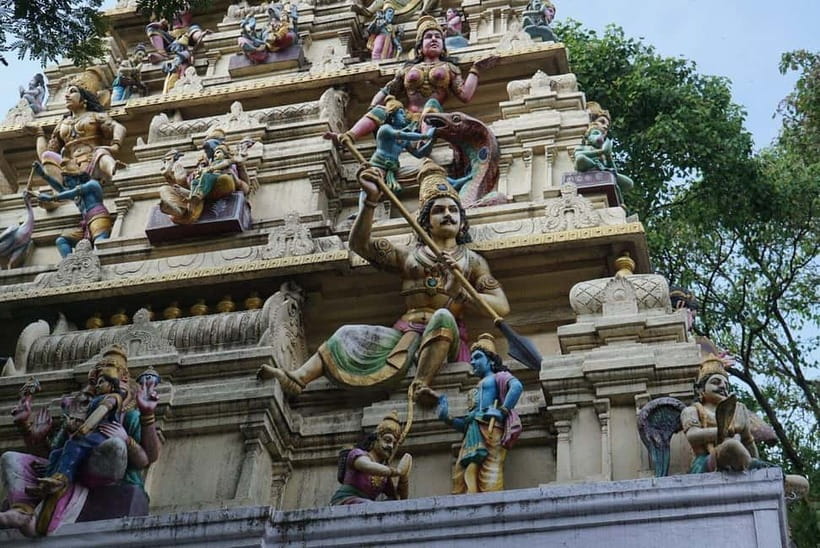
The Vishnu temple offers a different experience from the palace and fort. It is about 320 years old, and the key feature is not only its age or architecture. You may see Hindu devotees offering prayers, which brings an active religious setting into the walk.
This matters because the tour does not present temples as empty historic buildings. You get a chance to observe a place still used for worship. The guide can explain what you are seeing, but you should also allow the temple its quiet moments and follow instructions about where to stand and what not to touch.
Temple access and opening hours can vary by season. The stated entrance includes the Vishnu temple, but practical conditions may affect what you see on the day. One person on the tour chose not to enter the temples and found the experience shorter, so you should tell the guide early if you prefer exterior visits only.
Dress modestly. Cover your shoulders and legs, and bring a headscarf as requested. These rules are not a minor footnote. Wearing suitable clothes makes entry easier and shows respect for the places you are visiting.
More Market Walking Tours in Bangalore:
- Private Walking Tour into the Oldest Local Market in Bengaluru
★ 5.0 · 5 reviews - Bangkok: City Highlights Temple and Market Walking Tour
★ 4.5 · 3,990 reviews - Tokyo Tsukiji Fish Market Food and Culture Walking Tour
★ 5.0 · 3,184 reviews - Marrakech: Ben Youssef, Secret Garden, & Souks Walking Tour
★ 4.6 · 2,802 reviews
KR Market is the tour’s loudest and most memorable stop
KR Market is where the walk shifts from history lesson to full street experience. The market visit is listed at around 30 minutes, but the surrounding streets may feel like the heart of the tour. You move through sellers, buyers, vehicles, cows, coolies, workers, walkers, and people simply watching the action.
The flower area is a particular highlight. You might see small flowers being threaded into large decorative arrangements, a detail that gives the market more than visual appeal. The scents, colors, movement, and constant negotiation make this a very different experience from visiting a formal monument.
Sunday can be especially crowded. That can make the market more exciting, but it also means you need to stay close to the group. Ramesh has been praised for moving calmly through heavy crowds, and Vijay has been valued for keeping groups together while still allowing time for photographs and questions.
I appreciate that the best guides do not rush you past the sellers. Raghu, for example, has helped people decide what they might want to buy and speak with traders. Other guides have helped visitors ask questions, purchase spices, or find nearby silk and scarf shops. Shopping is not the central promise of the walk, so you should not expect a dedicated retail tour, but the local help can be useful.
Bring some Indian rupees if you want to buy something, although food and drinks are not included. The market is not a polished shopping center. You will be walking on uneven surfaces and moving through close quarters, so keep your belongings secure and wear shoes with a firm sole.
The Jain temple closes the route on a quieter note
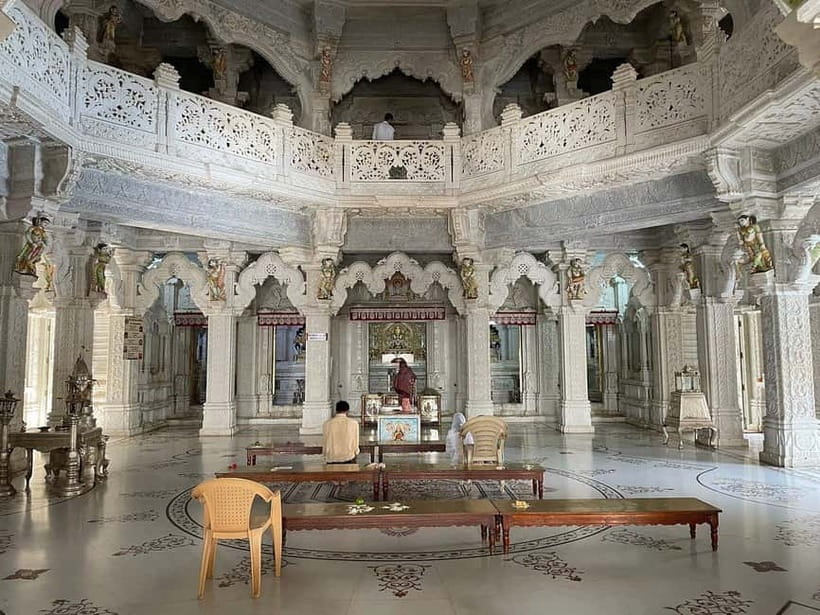
The walk finishes at Shri Adinath Jain Shwetamber Mandir. After the noise of KR Market, this can feel like a sharp change of pace. The temple is valued for its quiet atmosphere, carvings, and inlay work.
This final stop gives the tour a useful contrast. You have seen Hindu worship at the Vishnu temple and now encounter Jain design and religious practice. The tour’s appeal comes partly from these shifts: loud street commerce, military history, royal architecture, and places of prayer all appear within a few hours.
You should be prepared to remove footwear if required and wear the spare socks suggested in the instructions. The headscarf and modest clothing are also useful here. Since temple practices and opening times can change, the actual visit may be adjusted.
The finish point is not the same as the starting point. That is helpful because the route feels like a real cross-section of old Bangalore rather than a loop back to one monument. It also means you should plan your onward journey. Guides have sometimes helped solo visitors use the Metro or arrange a ride, but transport back is not part of the standard price.
What the three-hour schedule really feels like
Three hours is enough for a strong introduction, not a slow archaeological study. You will see several major places, hear the broad story of Bangalore, and get a concentrated look at daily life in the old city.
The walking itself is generally described as light rather than strenuous, but the setting makes it demanding in other ways. Crowded lanes, uneven roads, traffic, heat, noise, and the need to watch your step can wear you down. The route is not suitable if you dislike close public spaces or want a quiet sightseeing day.
The small group helps. A maximum of 10 participants gives the guide room to check on everyone and explain details without shouting to a large crowd. Solo visitors have also benefited from the extra attention, including help with the Metro and return transport.
Start times vary, so check availability when booking. Morning or afternoon conditions can change the feel of the market and the amount of activity you encounter. If you want the strongest market atmosphere, a busier period may appeal to you, but it will also require more patience.
Is $32 good value for Bangalore?
At $32, the tour is good value if you want an organized introduction and plan to visit the listed sites. The price includes the guide, entry to Tipu Palace, the Vishnu temple, Bangalore Fort, and the Jain temple, along with the market walk.
The real value is the local explanation. Without a guide, you could see the palace, fort, temples, and market, but you might miss how they connect. You could also find the market hard to navigate, especially if you are new to Bangalore or visiting alone.
Food and drinks are extra, and hotel transport costs more. Some guides have helped people find coffee, lunch, silk, spices, or a ride afterward, but these are additional arrangements rather than guaranteed parts of the basic tour.
For a visitor with only one day in Bangalore, the price makes sense. You get a broad sample of the old city without spending money on several separate admissions or arranging your own route through crowded streets.
Who will enjoy this walk most?
I would choose this tour if you want history and everyday life in the same outing. It suits first-time visitors, solo visitors, couples, and anyone with only a few hours to spare.
It is especially useful for you if:
- You want a guided first look at old Bangalore.
- You care more about local life than polished sightseeing.
- You enjoy markets, religious sites, and street photography.
- You want help understanding Hindu and Jain settings.
- You are comfortable walking through crowds and narrow streets.
- You appreciate a guide who can help with shopping or onward transport.
I would think twice if you want a long, quiet visit at each monument. The schedule is compact, and the market can be crowded. Anyone with mobility limits should also ask detailed questions before booking, since the walk includes uneven roads, narrow streets, and extended periods on foot.
Practical advice for a smoother visit
Wear light, modest clothing that covers your shoulders and legs. Avoid short skirts, sleeveless shirts, see-through clothing, and other outfits that may prevent temple entry.
Bring a headscarf, spare socks, water, comfortable walking shoes, and some rupees. Food and drinks are not included, so plan accordingly.
Keep the guide’s phone details handy and confirm the meeting point at the palace gates. If you want hotel pickup or a ride back, arrange the extra-cost transport before the walk rather than assuming it is included.
Stay close in KR Market. The guide will help, but crowded streets are easier for everyone when the group moves together. Allow time for photographs, but do not block shop entrances or interrupt worship.
Should you book this Bangalore walking tour?
Yes, if you want an efficient and lively introduction to the old city. The mix is the strongest reason to book: a teak palace, a historic fort, Hindu prayer, Jain architecture, and a working market all fit into three hours.
The experience is best when you approach it with patience and curiosity. It is not a quiet heritage stroll. It is a close look at Bangalore’s noise, faith, commerce, and history, with a guide helping you make sense of the rush.
Book it if you value local context and practical help. Skip it if crowded markets, modest temple dress, or uneven walking would make the day uncomfortable. For most first-time visitors with limited time, the $32 cost is a sensible way to get your bearings fast.
FAQ
How long is the Bangalore Palace, Temples, Fort and Markets Walking Tour?
The tour lasts three hours, although the actual length may vary if you choose not to enter the temples or if seasonal opening conditions affect the route.
Where does the tour start?
It starts at the gates of Tipu Sultan’s Summer Palace. The guide waits there for the group.
Where does the tour finish?
The walk finishes at Shri Adinath Jain Shwetamber Mandir.
Is transport included in the price?
No. Transport to the walking venue and back to your hotel is available for an additional fee if arranged in advance.
What clothing should I wear?
You should cover your shoulders and legs. Short skirts, skirts, sleeveless shirts, and see-through clothing are not allowed. Bring a headscarf and spare socks.
Is the tour suitable for people who do not want a strenuous walk?
The walking has been described as light, but you should still expect uneven roads, crowded and narrow streets, and a lot of time on your feet.
Are food and drinks included?
No. Food and beverages are not included in the $32 price.
What language is the tour conducted in?
The live tour guide speaks English.
Just added around Bangalore
- Shopping and Bazaar Trail in Bangalore★ 4.5 · 5 reviews
- Bangalore Walking Tours – Flower Market, PETE and more★ 5.0 · 5 reviews
- KR Market Photo Walk★ 5.0 · 12 reviews
- Bangalore: Walk in Historic Ulsoor – Landmarks, Bazaar & Culture★ 5.0 · 9 reviews
- Lalbagh+Bull Temple+Tipu Palace+Market+Lunch=Bangalore City Tour★ 5.0 · 9 reviews
- Experience Bangalore Evening City Walk Tour and Market Visit★ 5.0 · 9 reviews
- Bangalore Evening Food Street Walk and Market Visit★ 5.0 · 32 reviews
- Private Walking Tour into the Oldest Local Market in Bengaluru★ 5.0 · 5 reviews
Walking Tours, compared.
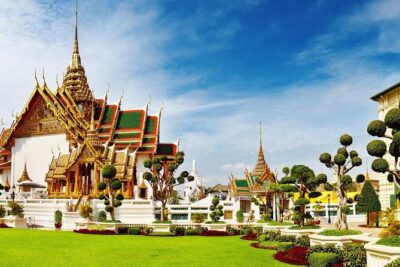
City Highlights Temple and Market Walking Tour
Read our review →
Tokyo Tsukiji Fish Market Food and Culture Walking Tour
Read our review →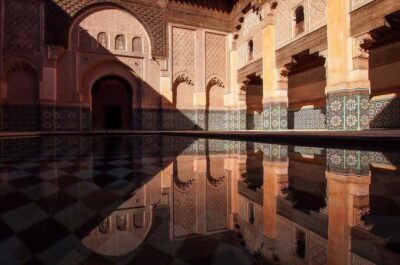
Ben Youssef, Secret Garden, & Souks Walking Tour
Read our review →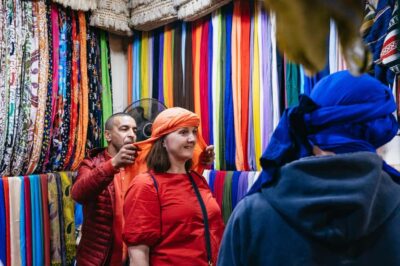
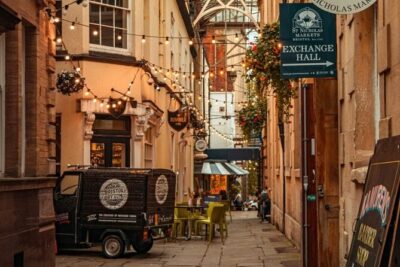
Air Raid Shelter + St. Nicholas Market Walking Tour
Read our review →
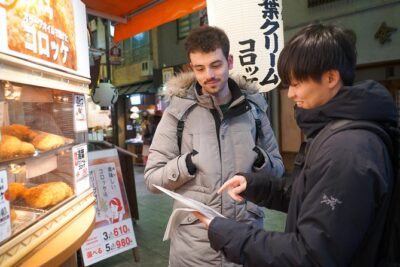
Nishiki Market Brunch Walking Tour (7 Tastings + Brunch)
Read our review →Tsukiji Fish Market Food and Culture Walking Tour
Read our review →Browse the lists this tour appears in