
Review · SPAIN
Guided visit to the Pasaia fish market
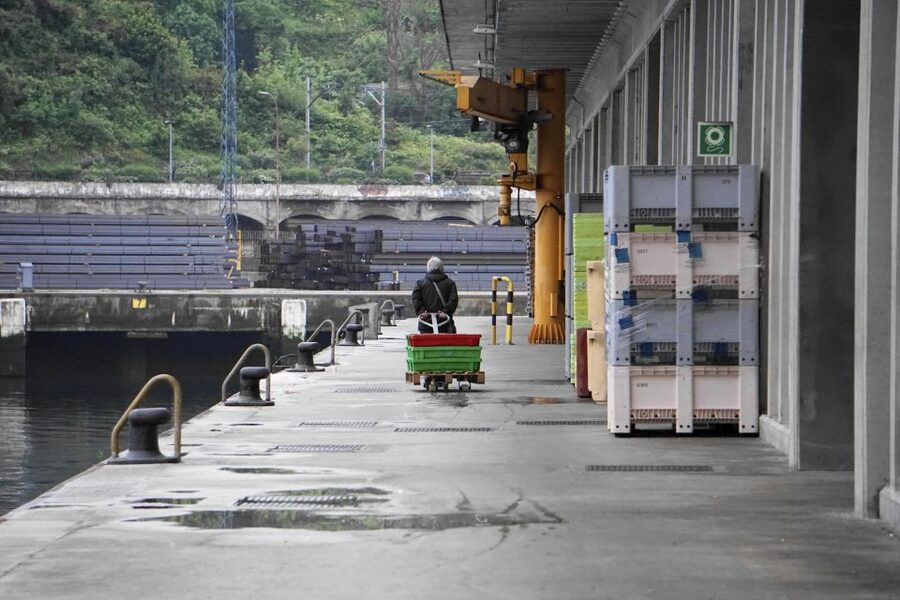
Fish markets wake up before the town does. This 90-minute visit to Pasaia fish market takes you inside a working building, where you can follow the catch from the fishermen’s unloading area through the auction and toward the fishmongers. I like the direct look at everyday fishing work, and I like that the tour ends with breakfast beside the market rather than a quick goodbye at the door.
The visit also explains local fishing gear and the role of the Fishermen’s Guilds, giving the auction some useful context. The main drawback is clear: the tour is conducted in Spanish, photography is restricted inside, and the wet floor makes non-slip shoes essential.
Key points to know before you go
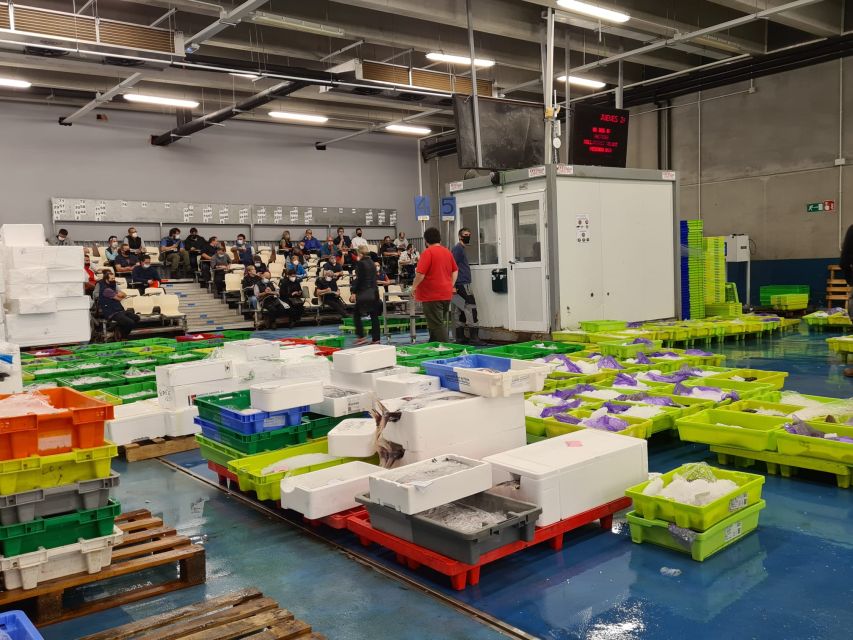
- The fish auction is the main event: You watch the rapid sale process that moves fish from the boats toward fishmongers and wholesalers.
- It takes place in a real work area: You remain with the group and follow the guide’s instructions so you do not interrupt workers or create a safety problem.
- The fishing lesson goes beyond the auction: The guide explains inshore fishing gear and how the Fishermen’s Guilds operate.
- Breakfast is part of the experience: After the market visit, you sit down for breakfast next to the fish market.
- The group is limited to 10 people: That small size should make it easier to stay together and hear the Spanish explanations.
- Bring sturdy, non-slip footwear: The floor is usually wet, and touching the fish is not allowed.
Why Pasaia’s fish market makes a good morning stop
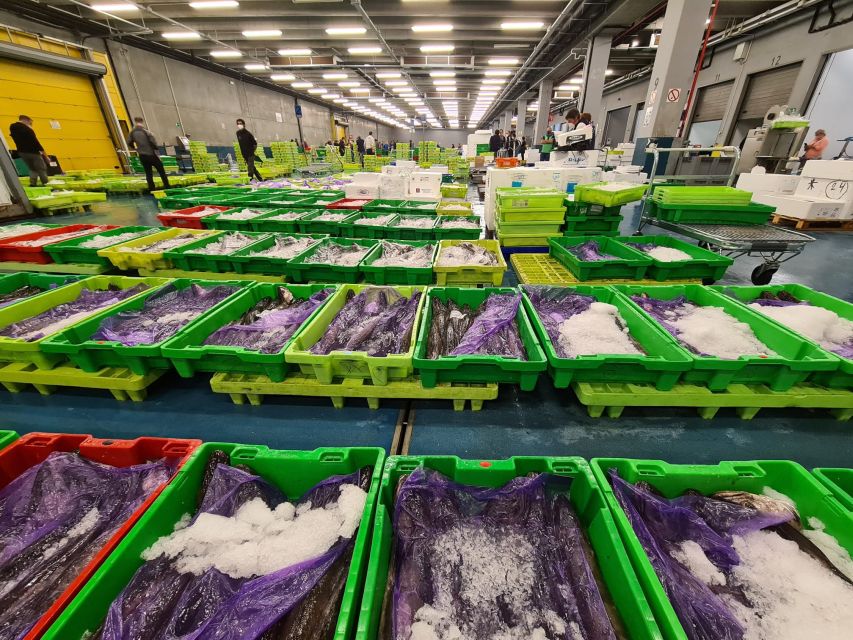
Pasaia’s fish market is not presented as a museum display. You enter a functioning workplace during its most active hours, when fishmongers, sellers, wholesalers, and fishermen are handling the day’s catch. That changes the feel of the visit. You are not simply looking at boats or reading signs about fishing. You are seeing the commercial step that connects the sea with the local fish shop.
I like this kind of stop because it explains a part of daily life that is easy to miss. Many visitors see seafood on a plate but never see the chain behind it. Here, the guide traces that chain from the moment fishermen unload the catch to the point where the fish is bought by the trade.
The activity is run by Kofradia-Itsas Etxea, with a guide from Mater Itsasontzi Ekoaktiboa. The focus is firmly local: the market building, the inshore fishing sector, the auction, fishing equipment, and the work of the Fishermen’s Guilds. You get a short but useful lesson in how this coastal economy functions.
Because the tour lasts only an hour and a half, it will not cover every part of Basque fishing. That is not a serious flaw. The short format works well if you want a focused morning activity rather than a full-day program.
More Fish Market Tours in Spain:
- Tokyo Tsukiji Fish Market Food and Culture Walking Tour
★ 5.0 · 3,184 reviews - Tokyo: Tsukiji Fish Market Food and Walking tour
★ 5.0 · 1,724 reviews - Tokyo: Tsukiji Fish Market Guided Walking Tour
★ 4.9 · 1,397 reviews
Entering a working market, not a staged attraction
The first part of the visit introduces the fish market building itself. The guide explains its purpose and the way the interior supports the work taking place there. Since this is an operating market, the visit is more about watching a process than moving through a set route designed for sightseeing.
That distinction matters. You need to stay with the group and stop only where the guide tells you. The market is busy, and the people around you are working. A good visit depends on keeping out of the way, listening carefully, and treating the building as a workplace rather than a photo set.
The floor is usually wet, so wear comfortable shoes with firm grip. Hiking shoes are specifically recommended. Sandals, smooth-soled city shoes, and anything that feels unstable underfoot are poor choices here.
The tour is not suitable for people with mobility impairments. The wet surface and the need to move as a group through a working area make that limitation important to consider before booking.
Following the fish from unloading to sale
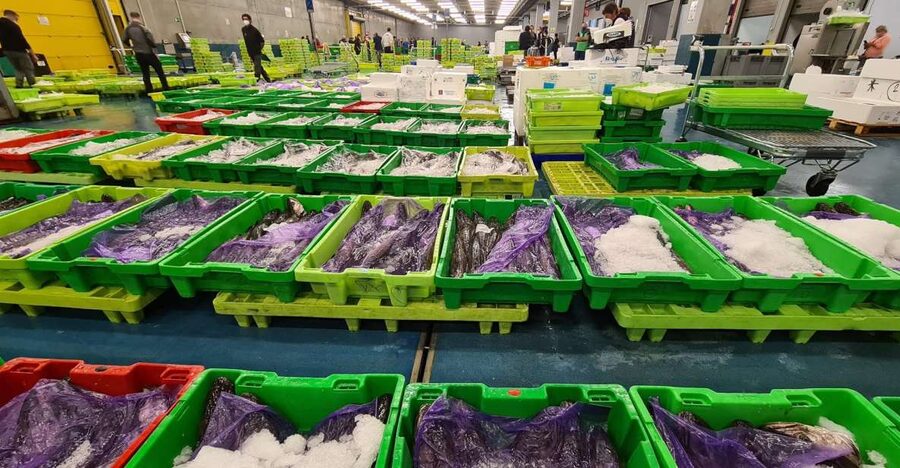
The most useful part of the experience is the explanation of what happens after the fishermen bring in their catch. You learn how fish moves through the market before reaching a fishmonger. That sequence gives you a practical sense of the market’s role, rather than treating the auction as a strange spectacle with no context.
The guide also explains the inshore fishing sector. This is a chance to learn about the fishing carried out close to the coast and the gear used for it. The exact equipment you see may depend on the day’s activity, but the subject helps you understand why different fishing methods matter and how fishermen work within the local industry.
The discussion of the Fishermen’s Guilds adds another useful layer. These organizations are part of the structure that supports and represents the fishing community. You are not just watching fish change hands. You are learning about the people and institutions that make the market operate.
I would pay close attention during this part, especially if the Spanish explanations are new to you. The guide is covering a process with several stages, and the auction moves quickly. Even with a small group of no more than 10 participants, it helps to stay near the guide and listen for the links between each step.
Seeing the auction at its fastest
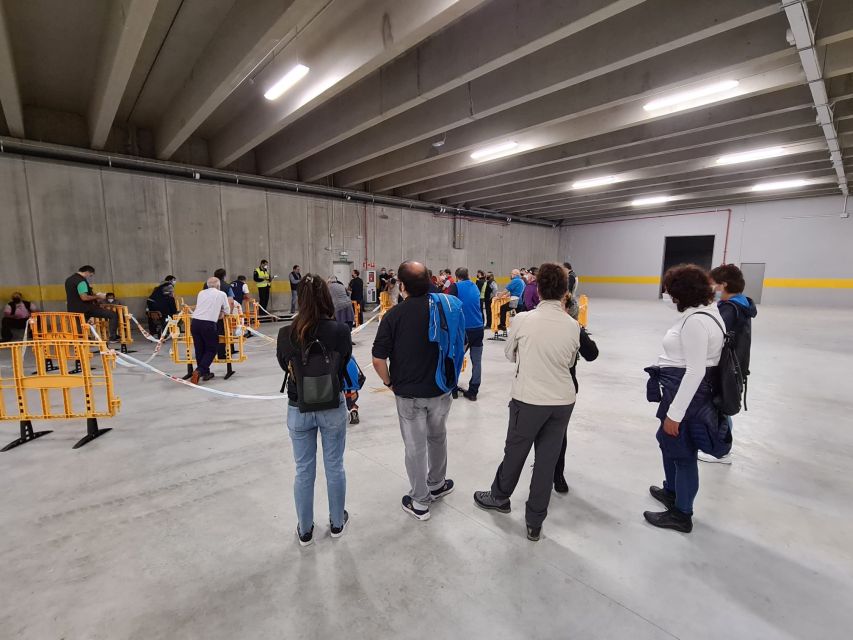
The fish auction is the visit’s most striking feature. It takes place during the early hours, when the market is full of activity and the trade is moving quickly. Fishmongers, sellers, and wholesalers are all focused on their work, so the scene has a sense of urgency that a standard guided attraction cannot reproduce.
You will see how the catch is offered and purchased as it moves through the market. The guide explains the process while you watch. The auction may surprise you because it is less about leisurely browsing and more about rapid decisions, commercial routines, and people who already know exactly what they need.
The auction screens are part of the working process, but photography and video of them are forbidden. You also cannot photograph people. You may take pictures of the fish and general views of the area, but only within those limits.
That rule can feel restrictive if you enjoy documenting every stop, but it is reasonable in a workplace where privacy and concentration matter. I would treat the visit as something to observe rather than record. You will get more from it by watching the sequence and listening to the guide than by trying to capture the action on your phone.
You are also forbidden to touch the fish. This should be obvious in a food market, but it is worth emphasizing. Keep your hands to yourself, remain with the group, and follow instructions about where to stand.
A few more market tours around Spain worth a look
- Barcelona Food Tour: Market & Gothic Quarter with Expert Guide
★ 4.5 · 85 reviews - Alicante: Central Market Guided Food Tour with Tapas Bars
★ 5.0 · 5 reviews - Marbella: Guided Market Tour with Tapas and Wine Pairings
★ 4.8 · 4 reviews - Dubai: Old Town, Souks, Street Food, Guided Tour & Abra Ride
★ 4.9 · 7,170 reviews
What the small group changes
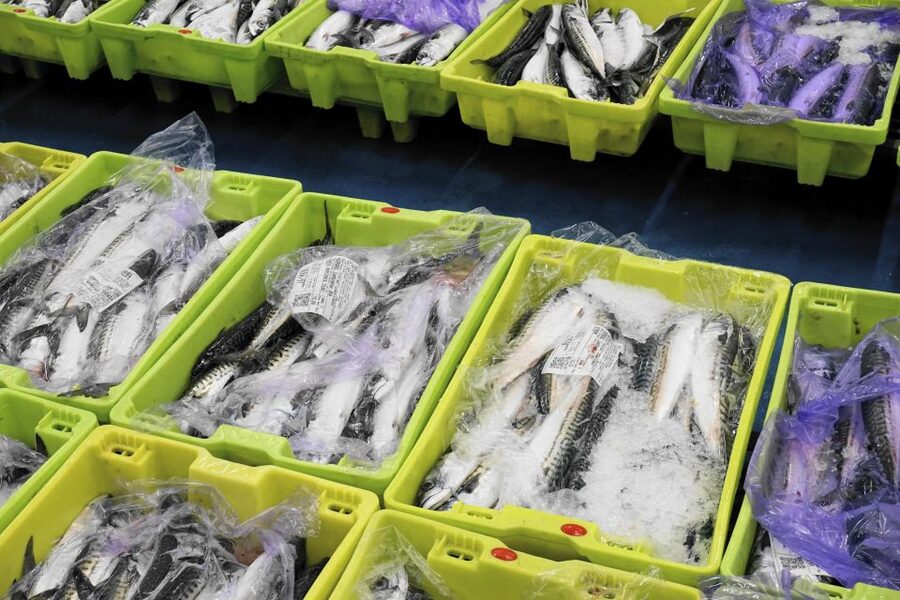
With a maximum of 10 people, the visit has a more controlled feel than a large sightseeing group. The guide can keep everyone together in a busy area, and you should have a better chance of hearing the explanations in Spanish.
The small size also matters for safety. The market is an active work site, and the group must avoid creating an obstacle. You will stop at points selected by the guide, then move together when instructed.
The language is the biggest practical consideration. This tour is conducted in Spanish, and no other language is listed. If you understand Spanish, the explanations about fishing gear, auctions, and guilds should add real value. If you do not, you may still see the market activity, but much of the experience will be difficult to follow.
I would not choose this visit if you need an English-language explanation. The market is interesting to watch, but the context is a major part of what you are paying for.
Breakfast beside the market
After the market visit, the group enjoys breakfast next to the fish market. The supplied details do not specify the menu, so you should not book this expecting a particular dish or a seafood tasting. What is clear is that breakfast gives the experience a relaxed ending after the early market activity.
This small pause is more useful than it may first appear. You have time to think over the auction and the fishing process instead of rushing directly to the next attraction. It also keeps the morning tied to the market, rather than treating breakfast as an unrelated extra.
If you enjoy food experiences that explain where products come from, this finish makes sense. The tour begins with the working fish trade and ends with a meal nearby. It does not claim to be a cooking class or a restaurant tour, so keep your expectations focused on the market visit and the simple shared breakfast.
Is $17 a fair price?
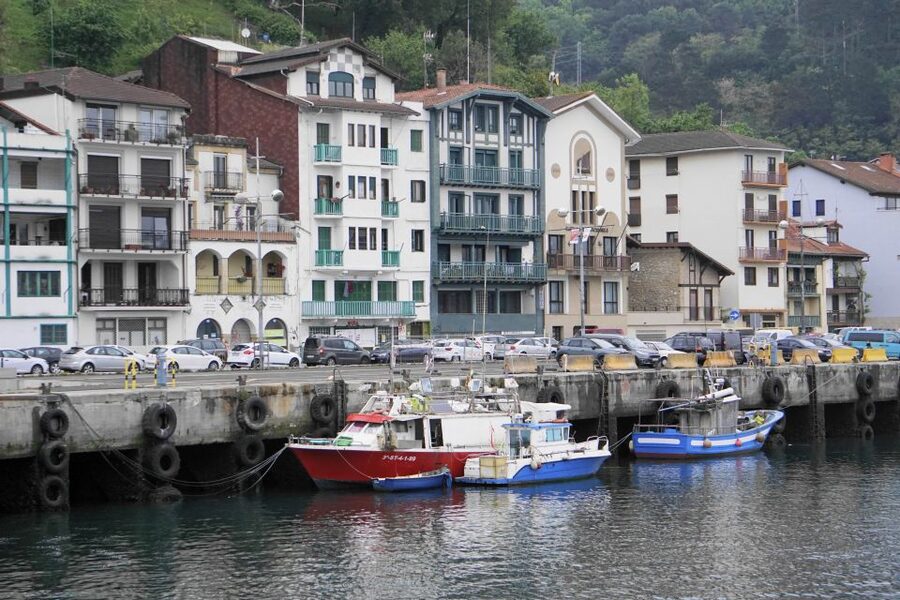
At $17 per person, this is reasonably priced for a guided small-group visit with breakfast included. The cost covers the Mater Itsasontzi Ekoaktiboa guide, access to the market visit, the explanations about fishing and the auction, and the breakfast afterward.
The value depends mainly on your interest in working places and your ability to follow Spanish. If you are curious about local food systems, coastal work, and the practical side of fishing, the price buys more than a quick look at a market. You receive context that you would likely miss by walking past the building on your own.
The value is weaker if you want a broad sightseeing tour of Pasaia or a polished cultural presentation. This is a narrow activity with a specific subject. It is also short, lasting 1.5 hours, so you should see it as one focused morning stop rather than a full introduction to the town.
The reserve-now, pay-later option gives you flexibility, and cancellation is free up to 24 hours before the activity for a full refund. Those terms are useful if your plans in the Basque Country are still shifting, but the real decision is language and interest, not booking flexibility.
Practical advice for a smooth visit
Plan your clothing around the market, not the breakfast. Wear comfortable, non-slip hiking shoes and clothes you can move in. The floor is commonly wet, and slipping is the main practical hazard mentioned for the visit.
Do not arrive expecting unrestricted movement. You will remain in a group and stop where the guide directs you. That may feel strict, but it protects both you and the people doing their jobs.
Keep your phone ready only for permitted pictures. Fish and general views of the area may be photographed, but people and auction screens may not. When in doubt, put the phone away and ask the guide.
Remember that the visit is in Spanish. If you understand only some Spanish, try to learn a few useful words about fish, boats, fishing gear, and buying before you go. Even basic preparation may help you follow the auction explanation.
This activity is a good fit for adults and families with older children who can respect workplace rules. It is less suitable for anyone who needs step-free or especially easy movement, anyone who dislikes early working environments, or anyone looking for a relaxed food tasting.
Should you book the Pasaia fish market visit?
Book it if you want to see how a local fish trade actually works, not just admire the coastal setting from outside. The auction, the explanation of inshore fishing, and the role of the Fishermen’s Guilds give the visit substance, while the small group and breakfast keep it personal and manageable.
Skip it if you need an English-language tour, cannot manage a wet working floor, or want a photography-focused experience. For the right visitor, $17 is a good price for a brief, grounded look at Pasaia’s fishing economy. Just bring proper shoes, respect the workplace, and let the market activity take priority over your camera.
FAQ
How long does the Pasaia fish market visit last?
The visit lasts 1.5 hours.
How much does the activity cost?
The price is $17 per person.
What language is the tour conducted in?
The visit is conducted in Spanish.
How many people are in the group?
The group is limited to 10 participants.
Is breakfast included?
Yes. Breakfast next to the fish market is included.
What will I see during the visit?
You will see the inside of the Pasaia fish market, learn how fish moves from fishermen to fishmongers, and observe the fish auction.
Will the guide explain local fishing methods?
Yes. The visit includes information about the main fishing gear used in inshore fishing and how the Fishermen’s Guilds work.
Can I take photographs inside the market?
You may photograph fish and general views of the area, but photography and video of people and auction screens are forbidden.
Can I touch the fish?
No. Touching the fish is not allowed.
What should I wear?
Wear comfortable, non-slip shoes. Hiking shoes are recommended because the floor is usually wet.
Is the visit suitable for people with mobility impairments?
No. The activity is not suitable for people with mobility impairments.
Can I cancel for a refund?
Yes. You can cancel up to 24 hours in advance for a full refund.
Just added around Spain
- Explore Bilbao’s Flavors Mercado de la Ribera and Old Town★ 4.5 · 3 reviews
- CERTAL Exclusive Tour: LA RIBERA Market + GASTROBARS Bilbao (3h)★ 4.5 · 12 reviews
- Barcelona La Boqueria & Sant Antoni Private Food Experience★ 5.0 · 7 reviews
- Taste of Barcelona: Boqueria Market, Tapas & History Tour★ 4.5 · 22 reviews
- Barcelona Tapas Cooking & Cocktail Class with Veronique & Mattias★ 5.0 · 3 reviews
- Spanish Oysters, Cava and Ibérico Ham at Barcelona’s La Boqueria Market★ 5.0 · 8 reviews
- Private Barcelona Market Tour & Paella Cooking Class with Josh★ 5.0 · 4 reviews
- Food and Market Tapas Tour★ 5.0 · 6 reviews
Fish Market Tours, compared.
Tokyo Tsukiji Fish Market Food and Culture Walking Tour
Read our review →
Tokyo Sushi Making Class in Tsukiji with Professional Chef
Read our review →
Tsukiji Fish Market Guided Tour and Sushi Making with Pro Chef
Read our review →Tsukiji Fish Market Food and Culture Walking Tour
Read our review →
Tsukiji Fish Market: Street Food & Culture Walking Tour
Read our review →
Tsukiji Fish Market Small-Group Food Walking Tour
Read our review →
Tsukiji Fish Market Sushi Making Class with Pro Chef
Read our review →Browse the lists this tour appears in