
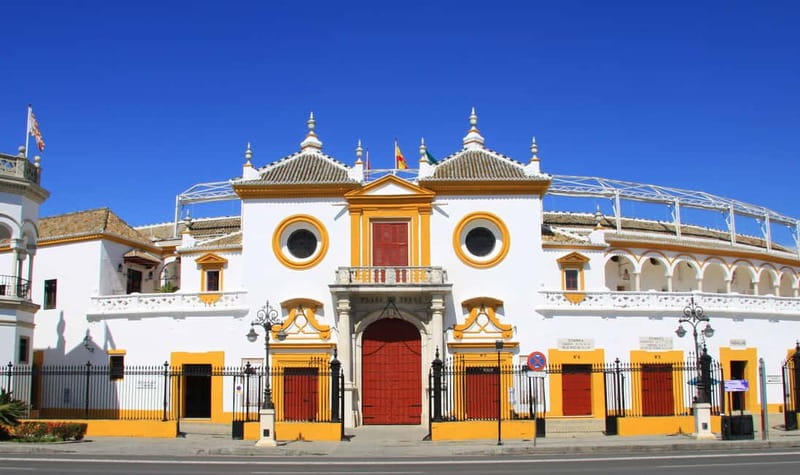
Review · SPAIN
Seville: Tasting, History, Market visit and Tapas Tour
Start Seville with an appetite. This four-hour walk links a typical local breakfast, Triana Market, olive oil tasting, churros with chocolate, and tapas in one of the city’s oldest bars. I like the broad range of food and the way the tour connects eating with everyday Sevillian life. I also like the small group size, limited to 10 people, which gives you room to ask questions.
The main consideration is the pace and amount of food. You begin with coffee, toast, and fresh orange juice, then add churros, oils, ham, cheese, olives, pickles, fried food, beer, wine, and tapas. That is a fine morning for hungry food lovers, but it may feel like too much if you prefer a light breakfast or have a long lunch planned.
Key points at a glance
- A local-style breakfast starts the morning: Coffee, toast, and fresh-pressed orange juice reflect what many Sevillians eat each day.
- Churros are part of the walking route: You stop at a small churro stall rather than treating the sweet as a separate dessert course.
- Olive oil gets proper attention: A local shop tasting lets you compare oils with different flavors and varieties.
- Triana Market brings the food story to life: You see stalls selling produce, meat, fish, cured ham, cheese, olives, and pickles.
- The final meal is more than a snack: Fried fish, vegetables, drinks, and tapas are served at traditional local bars, including one with old earthenware wine vats.
- The guide can make the difference: Gunvor Guttormsen has been praised for clear explanations, easy conversation, and thoughtful help with ordering.
A four-hour introduction to Seville through food
This is a walking food tour with a useful shape. You do not simply sit down at one restaurant and sample a few dishes. Instead, the morning moves through several kinds of food businesses, from a breakfast stop and a churro stall to an olive oil shop, a market, and old tapas bars.
That variety matters in Seville. Food here is tied to routine, shopping, drinks, and conversation. The tour gives you a way to see those links without spending your first morning guessing what to order.
You meet in front of the main entrance of Seville’s town hall at Plaza Nueva. The tour ends back at the same meeting point, so the route has a clear beginning and finish. Because the experience lasts four hours, it takes up a substantial part of your morning, but it also leaves you with a much better sense of what to look for during the rest of your stay.
The tour is offered in English, Spanish, and Norwegian. It is wheelchair accessible, and the group is limited to 10 participants. Those details make this a more personal option than a large coach-based food outing, though you should still consider that the route includes walking between stops.
More Food and Drink Trips in Spain:
- Paella Cooking Class, Wine Tasting & Central Market in Valencia
★ 5.0 · 1,150 reviews - San Sebastian Pintxo Food, Wine & Market Foodie Tour(Small Group)
★ 5.0 · 621 reviews - Ultimate Barcelona Food Tour with visit to a Local Market
★ 5.0 · 507 reviews
Breakfast the Sevillian way at Plaza Nueva
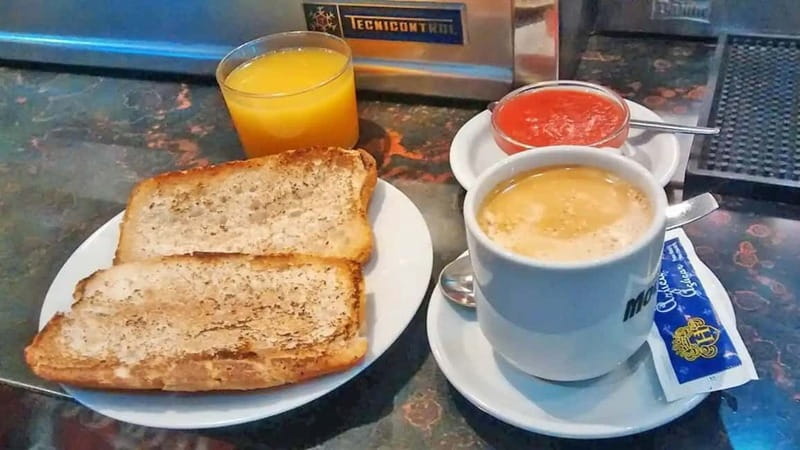
The first food stop is built around what many Sevillians eat every day: coffee, toast, and fresh-pressed orange juice. It is not a lavish hotel buffet. That is exactly the point.
The breakfast gives you a useful local reference. Toast in Spain can be simple, but the style of bread, the toppings, and the way it is ordered matter. With coffee and orange juice alongside it, you get the kind of morning meal that helps you understand the city’s daily rhythm.
I like this opening because it starts with an ordinary habit rather than a special-occasion dish. You are not being asked to treat Seville as a stage set. You are being shown a routine meal that more than 80 percent of Sevillians are said to have every day.
The fresh orange juice is also a welcome touch, particularly before several more tastings. If you arrive expecting a large breakfast, adjust your expectations. This is a modest first course, and the full meal comes later.
Churros with chocolate on the way
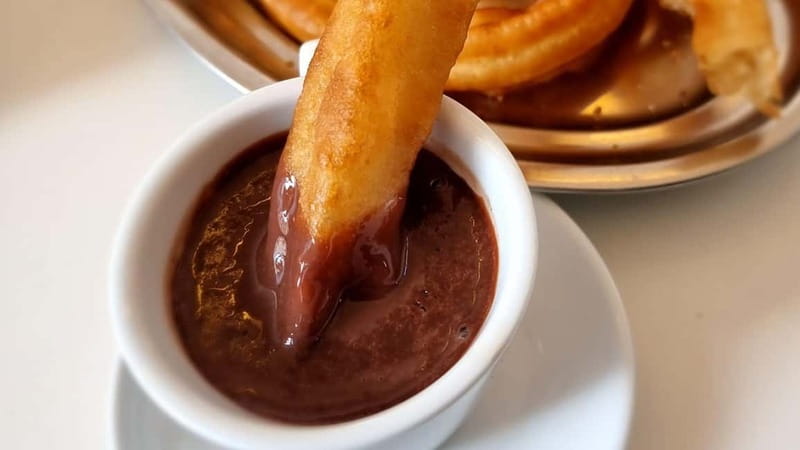
After breakfast, the group continues on foot to a small churro stall. You taste churros with chocolate as part of the walk, which gives the stop a casual feel rather than making it a formal sit-down dessert.
Churros are a familiar Spanish treat, but the appeal here is the setting and timing. You get them during the city’s morning activity, before the market and tapas stops. The stop adds sweetness without taking you away from the route.
This is one reason to arrive hungry but not stuffed. The morning keeps adding small portions, and the churros come early. If you have a strong sweet tooth, this may be one of your favorite stops. If you do not, it is still a quick taste rather than the main focus of the tour.
The guide’s explanations help turn each bite into part of a wider food lesson. Gunvor Guttormsen has been praised for being easy to understand and accommodating, two qualities that are especially useful when a tour includes several foods, drinks, and local customs in a short time.
Comparing olive oils in a local shop
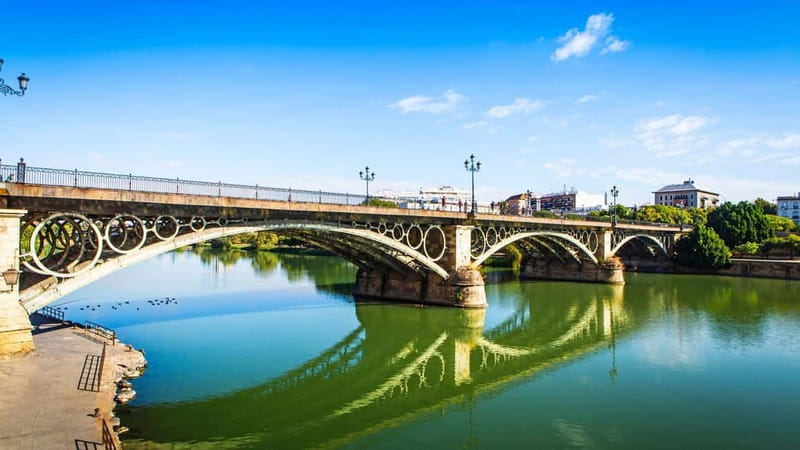
The olive oil stop gives the tour a change of pace. Instead of eating a prepared dish, you compare different oils with different flavors. The owner of the shop explains the varieties being tasted.
This is valuable because olive oil is often treated as a basic table item. A tasting shows you that oils can differ in character, and it gives you a better basis for choosing one in a shop or reading a menu during the rest of your trip.
The stop also adds a small shopping angle without turning the entire tour into a sales visit. You have the chance to understand what you are tasting and decide for yourself if a particular oil appeals to you.
I would pay attention to the explanations here, even if you do not plan to buy anything. The lesson can help you notice the role of olive oil in Spanish cooking, from bread and simple dishes to dressings and fried food. Since the tour later includes fried fish and vegetables, the connection between oil and cooking becomes even more useful.
More History Tours in Spain:
- Barcelona: La Boqueria Food, Wine & History Walking Tour
★ 5.0 · 126 reviews - Barcelona: Market, Tasty Tapas/Food and Gothic History Tour
★ 4.7 · 48 reviews - Taste of Barcelona: Boqueria Market, Tapas & History Tour
★ 4.5 · 22 reviews - Private Excursion to Floating Market and Ayutthaya World Heritage
★ 5.0 · 515 reviews
Crossing the Triana Bridge to the market
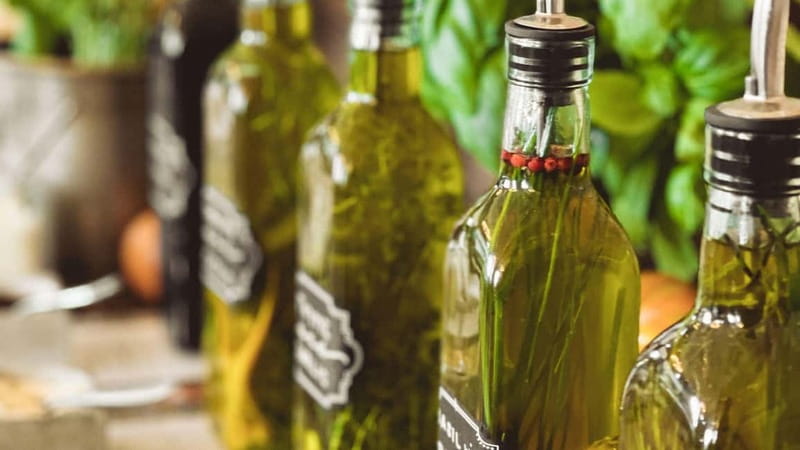
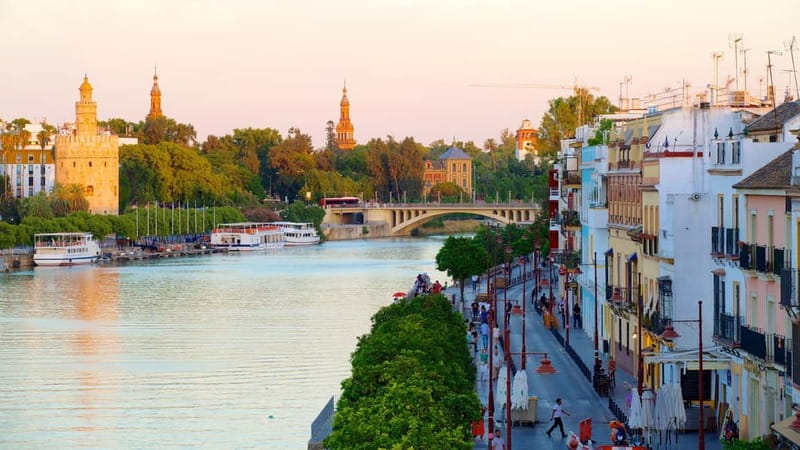
After the olive oil tasting, you cross the Triana Bridge on foot toward Triana Market. This is one of the most appealing parts of the route because the setting changes from central Seville to one of the city’s best-known food markets.
The bridge crossing provides a clear transition. You are not just moving from one restaurant to another. You are walking into a neighborhood market where local shopping is part of the experience.
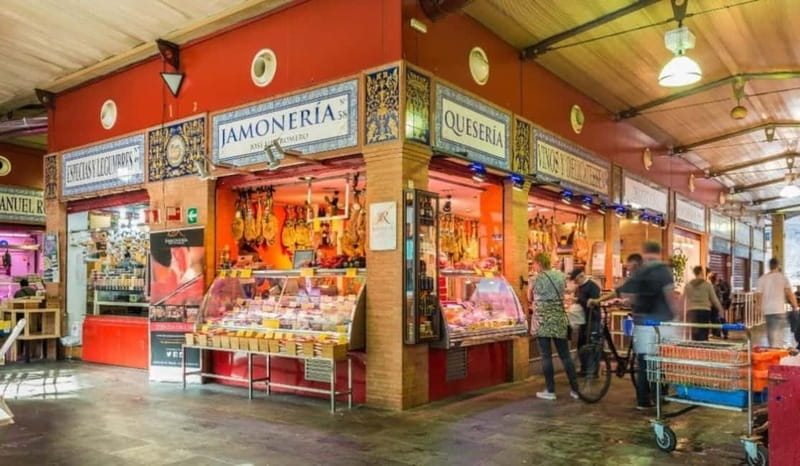
Inside the market, the guide first takes you around the stalls. You see fresh fruit and vegetables, meat, fish, and other foods from the region. The tour then pauses at selected stalls for tastings.
The market visit is more useful than a quick photo stop. It shows you the range of ingredients behind Andalusian cooking and gives context to the dishes served later. The market is also a good place to watch how a food-centered neighborhood works, even if the tour does not promise a full cooking lesson.
The market section may appeal most to people who enjoy seeing food before it reaches the plate. If you prefer only restaurant dining, this part may feel less exciting. For many people, though, the market adds the local detail that a standard tapas crawl can miss.
Ham, cheese, sherry, olives, and capers
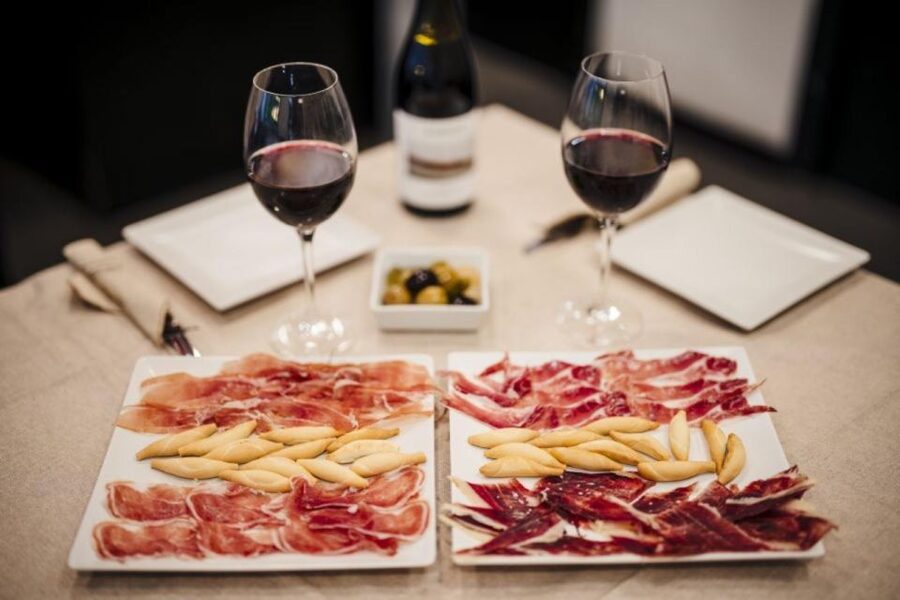
At market stalls, you taste cured ham and cheese. These are paired with sherry from Jerez de la Frontera, a city in Andalusia known for its sherry production.
This pairing gives the market visit a stronger sense of place. You are not only looking at products. You are tasting them in combinations that show how Spanish food and drink work together.
The sherry is another useful introduction for anyone who has only seen it as a cooking ingredient or a sweet drink. The tour includes it as an accompaniment, so you can consider how it works with salty and savory foods.
The next tasting focuses on olives and pickles. You try a selection that includes capers, not just olives. This is a small but worthwhile detail. Pickled foods bring a sharp contrast to the richer ham, cheese, and later fried dishes.
By this point, the tasting menu is broad. You have had breakfast, churros, oil, cheese, ham, sherry, olives, and capers before reaching the final bars. That is why I would avoid booking this tour on a morning when you want to save your appetite for a large afternoon meal.
Fried fish and vegetables at a typical bar
After leaving the market, the route passes a traditional bar where you taste fresh fried fish and vegetables with a local beer. This stop moves the experience from shopping and sampling into the familiar Spanish bar tradition.
The combination is practical and satisfying. Fried food benefits from a cold drink, and the beer gives you a local pairing without making the stop feel formal. The word local matters here because the purpose is not a carefully plated tasting menu. It is a quick bar visit built around food meant to be eaten with a drink.
You should also expect the food to be straightforward. This is not a place to look for delicate presentation. The appeal is in the freshness, the setting, and the way a small plate fits into the rhythm of a morning in Seville.
The stop adds another useful lesson: tapas are not one fixed kind of food. They can include market products, fried fish, vegetables, cured foods, pickles, and more. The tour gives you several examples before the final tapas meal.
Tapas in one of Seville’s oldest bars
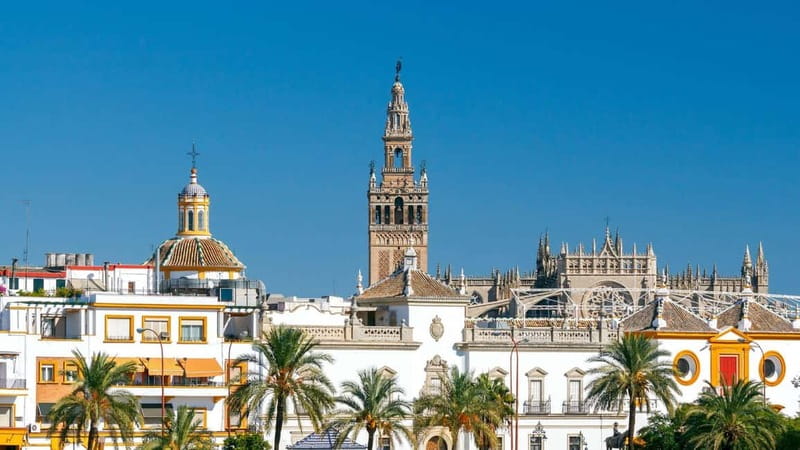
The last major stop takes place in one of Seville’s oldest bars. The bar still preserves old earthenware wine vats, an unusual feature that gives the place a strong sense of character.
Here, you taste original tapas with drinks. The supplied information does not give a fixed list of dishes, so you should not book this expecting a specific menu. That flexibility may be part of the appeal, since tapas can change and the guide can explain what you are eating at the time.
This final stop functions as lunch. It is more substantial than the earlier bites, but the entire morning remains a series of tastings rather than a single large restaurant meal. If you want a full, leisurely lunch with your own menu choices, you may prefer to eat separately afterward.
I like ending in an old bar rather than returning to a modern dining room. The earthenware vats make the setting memorable, and the tapas give you a chance to practice what you have learned earlier in the morning. By this stage, you should feel more comfortable ordering Spanish food and drinks during the rest of your visit.
What the guide adds to the experience
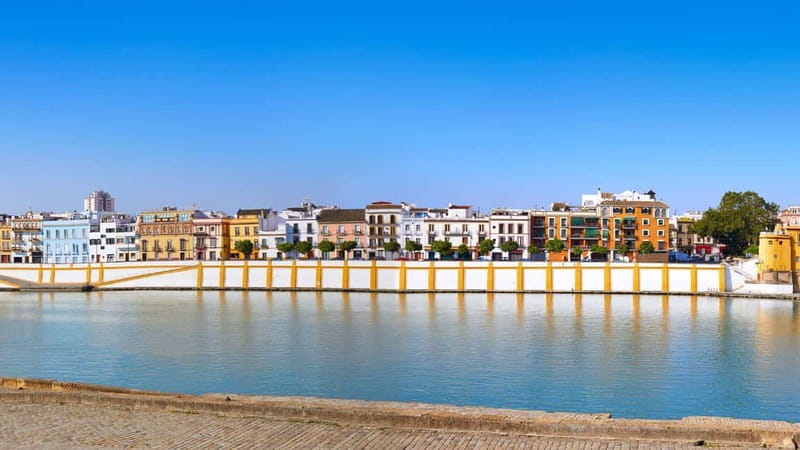
A food tour rises or falls on the guide. Here, Gunvor Guttormsen receives especially strong praise for clear explanations, patience, and an accommodating manner.
That matters for first-time visitors who have limited Spanish. One couple on their first trip to Seville found that the tour helped them understand what and how to order. That is a practical benefit, not just a pleasant memory.
The guide also points out interesting places along the route that are within easy walking distance but away from the main tourist path. You can return to those spots later in your trip, which adds value beyond the four-hour tour itself.
The language choice is useful for mixed groups. You can book in English, Spanish, or Norwegian. Since the group is limited to 10 people, you should have a better chance of hearing the explanations and asking about foods that are unfamiliar.
Is the $90 price good value?
At $90 per person, the price is not low for a four-hour walking tour. The value depends on how you use it.
You receive a complete Spanish breakfast, churros, an olive oil tasting, market tastings, ham, cheese, sherry, olives, capers, fried fish, vegetables, beer, wine, and tapas. You also receive the guide’s cultural and food explanations, plus visits to several different types of local businesses.
If you priced every food and drink separately, the package could make sense, especially because it functions as breakfast and lunch. The bigger value is the time saved. Instead of researching markets, bars, and local products on your own, you get a planned route and help with ordering.
The price may feel less worthwhile if you eat very little, avoid alcohol, or care more about one excellent meal than a sequence of samples. It is also less useful for someone who already knows Seville’s food customs and has chosen favorite bars.
For a first visit, especially one with limited Spanish, I think the cost is defensible. You are paying for food, access, context, and a confident start to eating in the city.
Who should book this Seville food tour?
I would recommend it most strongly to first-time visitors who want practical food guidance. It also suits people who enjoy markets, small tastings, traditional bars, and walking through a city between meals.
It is a good fit for:
- Couples making their first visit to Seville
- Food lovers who want both market products and prepared dishes
- People who want breakfast and lunch combined in one morning
- Visitors with limited Spanish who want help ordering
- Small groups that prefer a personal guide
- Anyone curious about olive oil, sherry, cured foods, olives, and tapas
You may want to skip it if you need a quiet morning, dislike multiple tastings, or want to control every dish yourself. People with food allergies should provide that information when booking. The tour includes many ingredients, and the food stops are spread across the morning.
The activity is wheelchair accessible, but the route still involves walking between locations. If mobility affects your plans, confirm the practical route details before booking.
Final verdict: book it for a food-centered first morning
Book this tour if you want Seville explained through ordinary meals, market stalls, and old bars rather than only through major sights. The best parts are the range of stops, the Triana Market visit, the olive oil comparison, and the guide’s help with ordering and local food customs.
The main tradeoff is simple: you will eat a lot in four hours, and the $90 fee makes most sense when you value the guidance as much as the food. For a first morning in Seville, that combination can save you guesswork and give the rest of your trip a tastier start.
FAQ
Where does the tour begin?
Meet the guide in front of the main entrance of Seville’s town hall at Plaza Nueva.
Where does the tour end?
The activity ends back at the meeting point at Plaza Nueva.
How long does the experience last?
The tour lasts four hours. Starting times depend on availability.
What languages are available?
The tour is offered in English, Spanish, and Norwegian.
How large is the group?
The group is limited to 10 participants.
Is the tour wheelchair accessible?
Yes, the activity is wheelchair accessible.
What food is included?
The experience includes a complete Spanish breakfast, churros, olive oil tastings, market tastings, tapas, wine, beer, and other foods sampled along the route.
Does the tour visit Triana Market?
Yes. You walk across the Triana Bridge and visit Triana Market, with tastings of foods including cured ham, cheese, olives, capers, and pickles.
Will I taste olive oil?
Yes. The tour includes a visit to a local olive oil shop where you compare oils with different flavors and varieties.
What is the cancellation policy?
You can cancel up to 24 hours in advance for a full refund. You can also reserve now and pay later.
Just added around Spain
- Explore Bilbao’s Flavors Mercado de la Ribera and Old Town★ 4.5 · 3 reviews
- CERTAL Exclusive Tour: LA RIBERA Market + GASTROBARS Bilbao (3h)★ 4.5 · 12 reviews
- Barcelona La Boqueria & Sant Antoni Private Food Experience★ 5.0 · 7 reviews
- Taste of Barcelona: Boqueria Market, Tapas & History Tour★ 4.5 · 22 reviews
- Barcelona Tapas Cooking & Cocktail Class with Veronique & Mattias★ 5.0 · 3 reviews
- Spanish Oysters, Cava and Ibérico Ham at Barcelona’s La Boqueria Market★ 5.0 · 8 reviews
- Private Barcelona Market Tour & Paella Cooking Class with Josh★ 5.0 · 4 reviews
- Market Gourmet Visit and Spanish Culinary Experience in Barcelona★ 5.0 · 34 reviews
Food & Drink, compared.
Old Town, Creek, Museums, Souks, & Street Food Tour
Read our review →
Old Town, Souks, Street Food, Guided Tour & Abra Ride
Read our review →
Bangkok by Night: Temples, Markets and Food Tuk-Tuk Tour
Read our review →
Tokyo Tsukiji Fish Market Food and Culture Walking Tour
Read our review →
Markets, Temples and Food Night Tour by Tuk Tuk
Read our review →
London Bridge & Borough Market Food Tour with 7 Authentic Dishes
Read our review →
Browse the lists this tour appears in