Review · TURKEY
Private: Topkapi Palace, St. Sophia, Blue Mosque, Grand Bazaar, Hipodromme
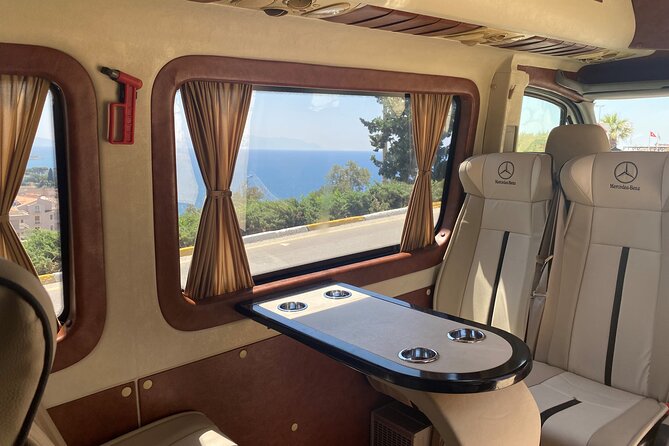
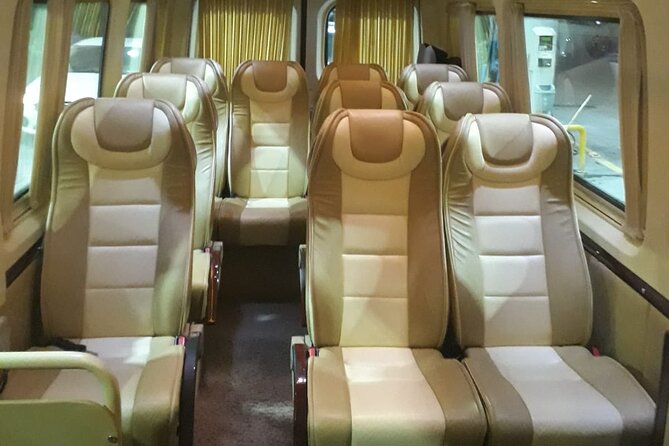
Istanbul rewards a good guide. This private, eight-hour outing brings you to the Hippodrome, Blue Mosque, Hagia Sophia, Topkapi Palace, and Grand Bazaar without making you solve the city’s traffic, routes, or ticket lines yourself. You travel in a private air-conditioned minivan with only your party and a guide, which gives the day a much more personal feel than a large coach tour.
I like the flexible pace and the chance to adjust the day around your interests. I also like the practical setup for cruise passengers, including pickup at Istanbul Cruise Terminal and a guaranteed return to port. The main drawback is that entrance fees, lunch, and drinks cost extra, so the $99 price is not the final bill.
Guide quality matters greatly here. Guides such as Leyla, Selen, Emel, Ezgi, Gulay, and Hulya have been praised for clear explanations, patience, and adapting the route to the group. But the experience can vary: one poor account describes too much shopping and too little sightseeing, so tell your guide plainly that history and monuments are your priority if that is what you want.
Key points to know before booking
- Five major sights in one private day: The route links Istanbul’s old-city landmarks with a guide and private vehicle.
- Skip-line help has real value: Your guide carries prepaid attraction tickets, though the entrance charges are not included in the tour price.
- Hagia Sophia now uses self-guided audio: Since January 15, 2024, live guiding is not allowed inside, so bring a smartphone and headphones.
- Friday and closure changes matter: The Blue Mosque has limited Friday access, and several sights are replaced on certain days or holidays.
- Shopping is part of the final stop: The Grand Bazaar can be enjoyable, but you should set expectations if you prefer monuments over stores.
- Cruise passengers get a useful safeguard: Pickup and guaranteed on-time return to the port make this a practical shore excursion.
Why this private Istanbul route works well
Istanbul’s historic center packs major monuments into a relatively small area, but the experience can still feel confusing. Streets twist, traffic slows, entry rules change, and several sites require timed planning. A private guide takes care of the order of the day while you concentrate on the buildings, stories, and views.
The private format is the strongest feature. Your party does not share the minivan with strangers, and the guide can adjust walking, rest breaks, and time at each sight. One group of six appreciated having the day shaped around its pace, while another group of ten chose not to enter three sites because queues were too long. That second example shows both the benefit and the limit of flexibility: you can change the plan, but you may also miss interiors if crowd levels are severe.
At $99 per person, the price is attractive for an eight-hour private tour, especially for a small group that values transport and personal attention. You still pay separately for Topkapi Palace and Hagia Sophia, and the tour price also excludes food and drinks. Since the guide has prepaid tickets to help bypass lines, the arrangement can save time, but ask about the current entrance total before the day begins.
More Private Market Tours in Istanbul
- Private Guided Tour Hagia Sophia, Cistern, Topkapi and Bazaar
★ 5.0 · 79 reviews - Private Istanbul Shopping in Grand Bazaar with Personal Shopper
★ 5.0 · 68 reviews - Private 5-6h: Topkapi + Hagia Sophia + Blue Mosque + Grand Bazaar
★ 5.0 · 67 reviews
Starting at the Hippodrome and Blue Mosque
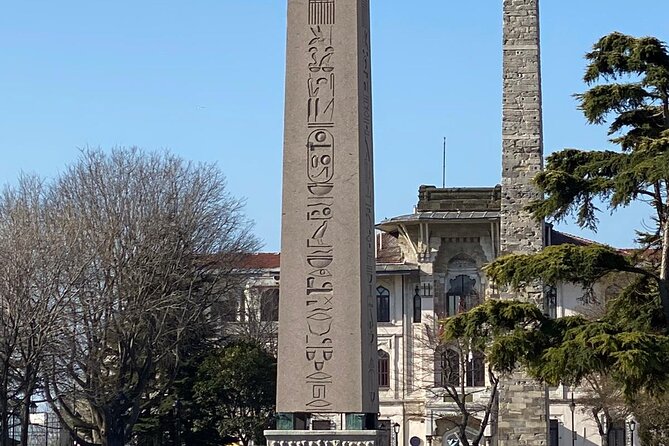
The Hippodrome is a good opening stop because it gives you the setting for Istanbul’s Roman and Byzantine past. This was once a major arena for chariot races and a place where public unrest could turn into violent riots. You have about 20 minutes here, with no admission charge, so expect a short orientation rather than a long museum visit.
I like beginning here because the open square helps you understand how the old city developed around public spectacle, religion, and imperial power. Your guide can also use the space to explain how the later Ottoman city grew over the earlier Roman and Byzantine center.
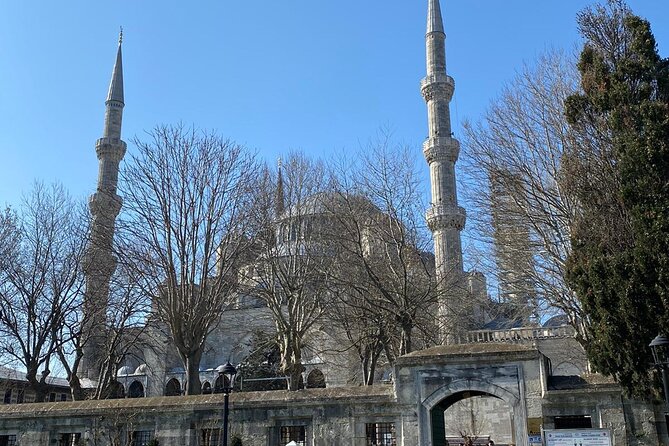
The Blue Mosque follows, also with about 20 minutes listed and no admission charge. Its popular name comes from the blue Iznik tiles used inside, though access is governed by prayer schedules. On Fridays, it is open for visits from 2:30 p.m. to 4:30 p.m., a narrow window that may not fit an eight-hour route.
That Friday restriction is one of the most important planning details. If your tour falls on a Friday, your guide may need to rearrange the stops or substitute another mosque. Selen, for example, adjusted a Friday route and located another mosque when the original timing did not work. This kind of flexibility is useful, but it cannot remove the limits imposed by worship schedules.
Dress modestly for religious sites. Bare shoulders are not permitted, and you must remove your shoes inside mosques. Wear shoes that are easy to take off and bring clothing that covers your shoulders.
Hagia Sophia and the new audio arrangement
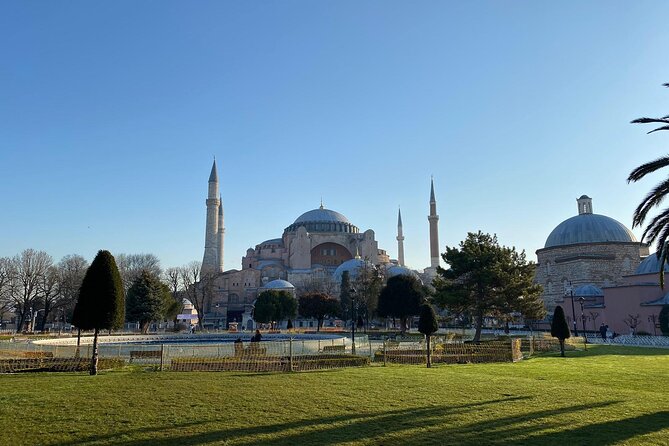
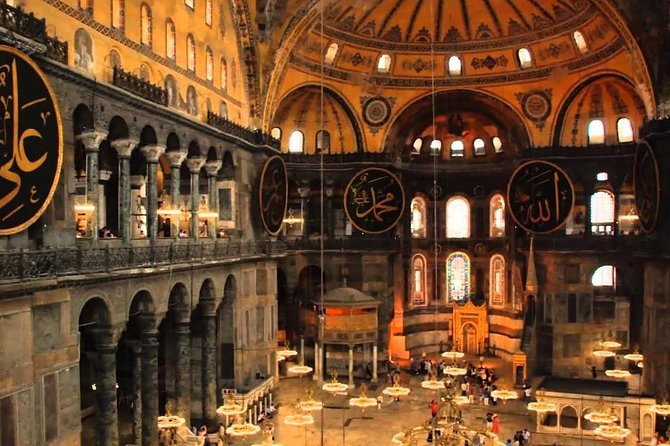
Hagia Sophia, now functioning as a grand mosque, was built in 532 AD under the Roman Emperor Justinian I. Its long story as a major religious and political building makes it one of the essential stops in the old city, and the visit is scheduled for about 45 minutes.
The key change is inside guidance. Live guiding is not allowed after January 15, 2024. You need your smartphone and headphones to use the audio-style system. If you arrive without headphones, they can be purchased at the entrance for $3.50. If you do not have a smartphone, you can follow the signs and written information provided inside.
This arrangement makes the guide’s explanation before entry especially important. Ask your guide to point out the details you should watch for, then use the audio system once inside. The guide may not be able to narrate beside you in the building, so do not expect the same format as the Hippodrome or Topkapi Palace.
The admission fee is not included. Your guide carries prepaid tickets, intended to reduce waiting, but you should still budget separately for the entrance. The exact cost can change, so confirm it when booking or before the tour begins.
Two hours inside Topkapi Palace
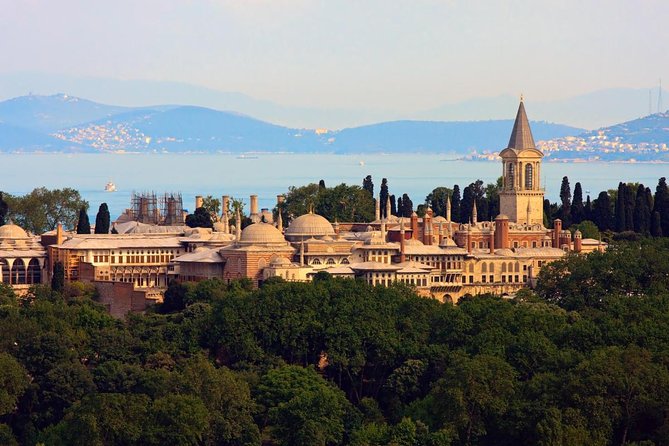
Topkapi Palace receives the longest scheduled visit, about two hours, and that is sensible. Built between 1460 and 1478 by Sultan Mehmed II after the conquest of Constantinople, it served as the Ottoman sultans’ residence and as a center for government and education.
I would treat this as the day’s main palace visit rather than a quick photo stop. The route includes the weapons section, and the palace gives you a more direct look at Ottoman court life and administration than the open squares do. Two hours allows your guide to explain the purpose of the palace complex while you see selected collections and rooms.
Topkapi Palace is replaced by the Underground Cistern on Tuesdays. That is not a minor change, so check the day of the week before booking if the palace is a must-see for you. The Underground Cistern offers a different kind of historic setting, but it is not an equivalent palace visit.
Topkapi admission is extra, although prepaid tickets are handled by the guide to help with entry. Wear comfortable shoes and expect a moderate amount of walking. The tour requires a moderate level of physical fitness, and the old-city route includes time on foot between sights even though a private vehicle handles longer transfers.
More Private Market Tours in Turkey
- Rug Shopping Private Tour with expert Grand Bazaar
★ 5.0 · 5 reviews - Private Food Tour in Local Food Markets in Asian Side by Van
★ 5.0 · 4 reviews - Istanbul Private Shopping Tour – Grand Bazaar & Spice Market
★ 5.0 · 3 reviews - Private Tour of Istanbul: Hagia Sophia & Grand Bazaar & More
★ 4.7 · 6 reviews
Grand Bazaar: spectacle, shopping, and a possible time trap
The Grand Bazaar gets about 90 minutes, making it the longest single stop after Topkapi Palace. Opened in 1461, it has more than 58 covered streets and over 1,200 shops selling jewelry, pottery, spices, carpets, and other goods. The scale is part of the attraction. Even if you buy nothing, walking through the lanes gives you a feel for Istanbul’s commercial life.
I like having a little free time here after several formal monuments. You can browse, compare prices, and look for a particular souvenir. Gulay was praised for helping with bargaining, and Hulya directed a visitor toward a shop suited to a specific souvenir interest. If shopping is important to you, tell the guide what you are looking for rather than wandering without a plan.
Still, this is the stop where you need to protect your time. One disappointing experience involved a guide spending too much attention on jewelry shops while other members of the party waited. Another account raised concern about a shop interaction that included an offensive comment. I would make your preference clear at the start: sightseeing first, shopping only if time allows.
The Grand Bazaar is closed on public holidays and is replaced by Arasta Bazaar. On Sundays, it is replaced by the Spice Market. If the market experience matters to you, verify the operating day before you pay.
Guides, drivers, and the value of private attention
The strongest pattern in the positive feedback is not a particular monument. It is the guide’s ability to explain Istanbul clearly while adapting the day. Emel was praised for arranging the route around the group’s interests and schedule. Ezgi contacted a party in advance through WhatsApp with clear meeting instructions and paid attention to shade and rest breaks. Leyla was praised for adjusting the pace for someone using a walking stick.
These details matter because eight hours in the old city can become tiring. A good guide does not merely recite dates. The guide watches the clock, notices when you need a break, and explains what matters before you enter each site.
The driver also affects the day. Istanbul traffic can be difficult, and the private air-conditioned minivan gives you a place to sit between stops. A private vehicle does not make congestion disappear, but it is far more comfortable than arranging several taxis or trying to coordinate public transport while watching a cruise schedule.
The quality is not guaranteed to be identical with every assigned guide. Names praised in the feedback include Onur, Jack, Ozge, Selen, Gulay, Gissam, Hulya, Leyla, Emel, and Ezgi, but you cannot select one of them based on the information provided. Set clear expectations at pickup, especially about shopping, walking pace, and which interiors matter most.
Cruise-port timing and hotel pickup
Hotel pickup is offered from selected hotels, with the meeting point in the hotel lobby. Cruise passengers meet at Istanbul Cruise Terminal. Your confirmation provides the suggested pickup time, and cruise passengers need to provide the ship name, docking time, disembarkation time, and re-boarding time when booking.
The guaranteed on-time return to port is a major reason to consider this tour from a cruise ship. It is still wise to give accurate ship information and follow the confirmed schedule. The route can be adjusted, but traffic, queues, religious schedules, and museum closures remain real factors.
The day lasts about eight hours, though the listed stops account for less time than that. The balance is used for transport, walking, ticket entry, explanations, and changes caused by traffic or crowds. Do not treat the stop durations as strict promises. A private tour works best when you allow some breathing room.
Who should book this tour?
I would choose this experience if you have one full day in Istanbul and want the city’s major old-town sights handled in one organized route. It suits first-time visitors, cruise passengers, families, and small groups that want to move at their own pace.
It is also a good choice if you value context. The monuments are impressive on their own, but the Hippodrome, Hagia Sophia, Topkapi Palace, and Blue Mosque make more sense when someone connects their Roman, Byzantine, and Ottoman periods.
I would hesitate if you want a slow visit to every interior, dislike shopping stops, or need a fully accessible route with no substantial walking. The tour promises a moderate fitness level, not a no-walking sightseeing day. I would also avoid booking without checking the calendar if Topkapi Palace or the Grand Bazaar is essential.
Cancellation is free up to 24 hours before the start time. Changes or cancellations made less than 24 hours before the experience are not accepted for a refund.
Final decision: good value with a few conditions
Book this private Istanbul tour if you want efficient sightseeing, private transport, and a guide who can adjust the day when Friday hours, crowds, or closures interfere. The $99 fee offers good value for a private eight-hour outing, but remember to add entrance fees, food, and drinks.
Before booking, confirm the tour day, ask which replacements apply, bring a smartphone and headphones for Hagia Sophia, and tell your guide that shopping should not replace sightseeing. With those points settled, this is a strong way to cover Istanbul’s essential historic center in a single day.
FAQ
How long is the private Istanbul tour?
The tour lasts approximately eight hours.
What sights are included in the route?
The planned route includes the Hippodrome, Blue Mosque, Hagia Sophia, Topkapi Palace, and Grand Bazaar.
Is this a private tour?
Yes. Only your party and the guide participate.
Is transportation included?
Yes. Transport is provided in a private air-conditioned minivan.
Are hotel and cruise-port pickups available?
Hotel pickup is offered from selected hotels, and cruise passengers are picked up at Istanbul Cruise Terminal.
Are entrance fees included in the $99 price?
No. Entrance fees are separate. The guide has prepaid tickets to help skip lines.
Is lunch included?
No. Lunch and drinks are not included.
Can I visit Hagia Sophia with a live guide?
No. Live guiding inside Hagia Sophia is not allowed after January 15, 2024. You need a smartphone and headphones for the audio-style system.
What happens if the tour is on a Tuesday or Sunday?
On Tuesdays, Topkapi Palace is replaced by the Underground Cistern. On Sundays, the Grand Bazaar is replaced by the Spice Market.
What should I wear for the religious sites?
Bare shoulders are not permitted, and shoes must be removed inside mosques. Dress accordingly and wear footwear that is easy to remove.
More Spice Market and Bazaar Tours in Turkey
- Istanbul: Blue Mosque, Basilica Cistern & Spice Bazaar Tour
★ 4.9 · 30 reviews - Istanbul Grand Bazaar and Egyptian Bazaar Shopping Tour
★ 4.0 · 28 reviews - Shopping in Grand Bazaar
★ 4.0 · 28 reviews - Sailing Through Culture Bosphorus and Spice Bazaar Tour
★ 3.5 · 26 reviews
More Spice Market and Bazaar Tours in Istanbul
- Istanbul Grand Bazaar: From Rooftops to the Secret Passages
★ 4.8 · 337 reviews - Istanbul: Hagia Sophia, Blue Mosque and Grand Bazaar Tour
★ 4.5 · 222 reviews - Small-Group Bosphorus Cruise and Istanbul’s Egyptian Bazaar
★ 3.5 · 208 reviews - Istanbul: Hagia Sophia, Blue Mosque, and Grand Bazaar Tour
★ 4.5 · 162 reviews
Just added around Istanbul
- Rug Shopping Private Tour with expert Grand Bazaar★ 5.0 · 5 reviews
- Roman Aqueduct, Sehzade Mosques &Women’s Market★ 5.0 · 6 reviews
- Istanbul: Afternoon Bosphorus Cruise and Spice Bazaar Tour★ 4.3 · 8 reviews
- Istanbul Private Shopping Tour – Grand Bazaar & Spice Market★ 5.0 · 3 reviews
- Istanbul Old City to Grand Bazaar Tour★ 4.9 · 8 reviews
- Istanbul: Grand Bazaar Shopping Experience with a Local★ 5.0 · 15 reviews
- Istanbul: Guided Topkapi and Grand Bazaar with Small Group★ 4.7 · 3 reviews
- Istanbul: Dolmabahce Palace and Grand Bazaar Tour★ 5.0 · 11 reviews
Grand Bazaar & Spice Market Tours, compared.
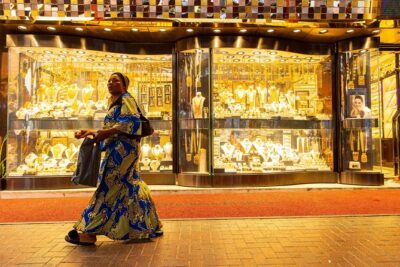
Dubai Half-Day City Tour with Visit to Dubai Gold Souk
Read our review →
Local Markets & Khan el Khalili Private Shopping Tour
Read our review →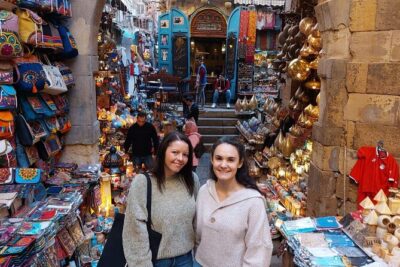
Cairo VIP Guided Tour to Khan El-Khalili Market with Lunch
Read our review →
Istanbul Grand Bazaar: From Rooftops to the Secret Passages
Read our review →
Old Delhi Food-Spice Market-Temples Tour Soon Featured on NETFLIX
Read our review →Old Delhi Odyssey: A Tour of Religion, Spice Market, & Best Food
Read our review →
Old Cairo and Khan El Khalili Bazaar: Private Half-Day Tour
Read our review →