
Review · MEXICO
Mexico City: Hidden Markets, Street Food & Salsa-Making Tour
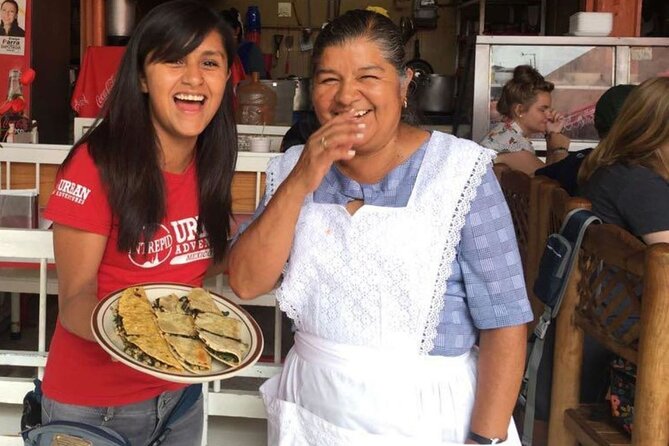
Markets tell the real story. This five-hour outing takes you beyond the usual Centro Histórico sights, pairing street-food tastings with murals, flowers, public transit, and a hands-on salsa lesson. I especially like the visit to the Abelardo Rodriguez market, also identified in the tour details as Mercado Melchor Muzquiz, and the chance to ride the Metro with a local guide. One thing to plan for: six kilometers of walking through crowded streets and markets can feel like serious work in warm weather.
The best part is the range. You get tamales and atole early in the morning, tacos and fruit at Jamaica Market, then make salsa with a local family using a molcajete. Guides such as Andrea, Axel, Alfonso, Viri, Poncho, and Adriana have been praised for adding history, humor, and practical Metro advice. The main caution is that a rare guide no-show has been reported, so confirm the tour close to departure and arrive early.
Key points at a glance
- Murals inside a working market: See 1,450 square meters of artwork linked to students of Diego Rivera, along with the market’s unusual daycare and auditorium.
- Three markets in one: Mercado de Jamaica combines flowers, produce, and prepared food under one roof.
- Food comes in stages: Expect tamales, atole, tacos, huaraches, fruit, and pineapple tepache, with exact inclusions best confirmed before booking.
- Salsa made the old-fashioned way: Wash, cut, grill, and grind ingredients in a molcajete before eating your creation with a huarache.
- A useful Metro lesson: You travel by subway with your guide, which can make the system less intimidating for the rest of your stay.
- Small group, long walk: The maximum group size is 12, but the route covers about 6 kilometers and requires moderate fitness.
Why this five-hour tour feels different
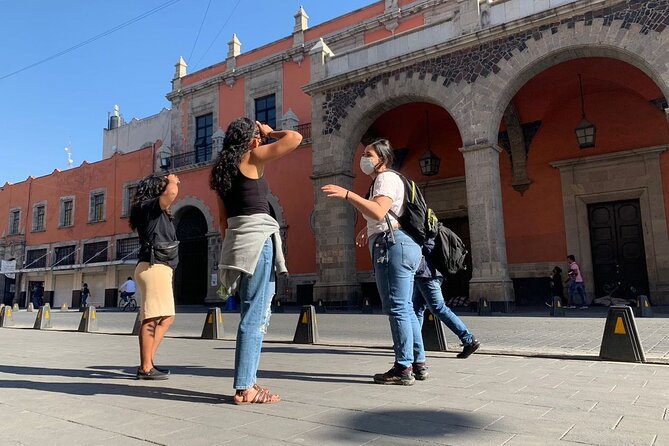
Mexico City has plenty of polished sightseeing tours. This is not one of them. The appeal here is the ordinary city: market stalls, family food businesses, workers buying breakfast, flower sellers, produce vendors, and the Metro carrying you between neighborhoods.
I like that the outing does not treat food as a string of isolated samples. Your guide explains where ingredients come from, how markets fit into city life, and why sharing food matters in Mexican culture. The salsa lesson then gives you something to do with your hands, not just another dish to photograph.
The tour begins at 8:30 am near Hostel Mundo Joven at República de Guatemala 4 in Centro Histórico. It ends at the Palacio de Bellas Artes facade, a useful central location for continuing your day. The English-language tour runs for about five hours and is limited to 12 people, although a small booking may feel almost private.
At $69.45 per person, the price is reasonable if you value a guide who handles the route, explains the markets, helps with the Metro, and introduces you to a family business. Food and drinks are listed as not included unless specified, while the experience clearly includes tastings. I would budget extra cash for snacks and ask exactly what is covered before departure. That small clarification matters on a food tour.
More Street Food Market Tours in Mexico
- Cancun Street Food Tour with Food Stalls, Local Market and Murals
★ 5.0 · 723 reviews - San Jose del Cabo Food Tour & Visit to the Market
★ 5.0 · 159 reviews - Mercado walking food tour
★ 5.0 · 141 reviews
The first market: murals, tamales, and city politics
Your opening stop is the market described as Mercado Melchor Muzquiz and Abelardo Rodriguez Market. It is not simply a place to buy groceries. The building is known for about 1,450 square meters of murals, and its unusual features include a daycare and an auditorium.
The artwork gives your guide plenty to explain. The market is tied to Mexico City’s social and political story in the early 20th century, and the tour connects it with major cultural figures including Diego Rivera and Frida Kahlo. Several guides have also pointed out murals and sculptures made by students of Rivera nearly a century ago.
This is a strong start because it puts food beside art and public life. You are not walking through a museum with silent walls. You are looking at art inside a functioning market, where the setting still has a daily purpose.
The first tastings are tamales and atole. Tamales provide a soft, filling breakfast, while atole is a warm traditional drink with a thicker texture than ordinary coffee or tea. You may also encounter café de olla during the food stops, depending on the vendors and the guide.
I would not rush this section. The market’s value is in the explanation of the murals and the building’s role, not in simply checking off another food stop. Guides such as Viri and Alfonso have been praised for adding details about architecture, construction periods, and the changing culture of Mexico City. If that sort of context interests you, this part may be worth the price by itself.
Riding the Metro to Mercado de Jamaica
After the first market, you use the Mexico City Metro to reach Jamaica. This is one of the most useful features of the outing. The train ride is not just transportation between attractions. Your guide shows you how to move through the system, giving you more confidence for later trips.
Several guides have made the Metro a practical lesson. Andrea was praised for helping a first-time rider understand the system, while Alfonso and Poncho also used the journey to explain how to get around the city. If you are staying in Mexico City for several days, this can save both money and time.
The Metro can also make the experience feel less controlled than a private vehicle tour. You move as residents do, and you need to stay aware of your group, belongings, and surroundings. Leave your passport, extra cards, and other valuables at your hotel. Bring only a small amount of spending cash, as advised for the tour.
The public transit portion may not suit someone who wants a quiet, air-conditioned ride. It is part of the lesson, though, and it adds practical value that a standard food walk cannot provide.
Mercado de Jamaica: flowers, produce, and prepared food
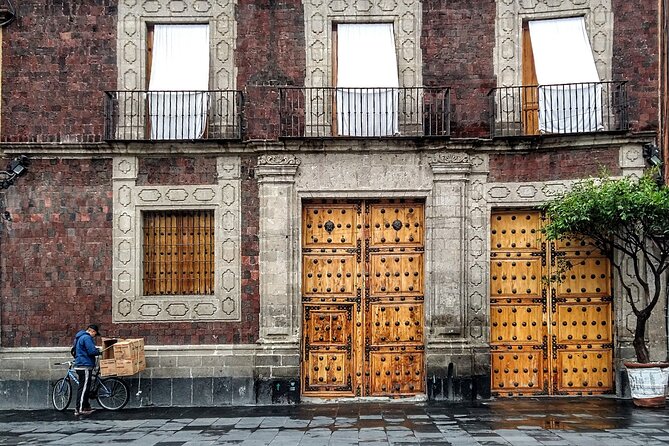
Mercado de Jamaica is described as a three-part market with flowers, fresh produce, and prepared food. It is also the largest flower market in Mexico City, so this is where the tour shifts from murals and history to color, scent, and trade.
One memorable activity asks a flower vendor to choose blooms that match your eye color. It is a small, playful exchange, but it also gives you a reason to speak with the seller rather than simply walk past the stalls.
The flower section is only part of the visit. You move through produce stands and food counters, where the guide may help you understand local farming practices and select fresh vegetables for the salsa lesson. The route offers a look at how ingredients move from farm and market to plate.
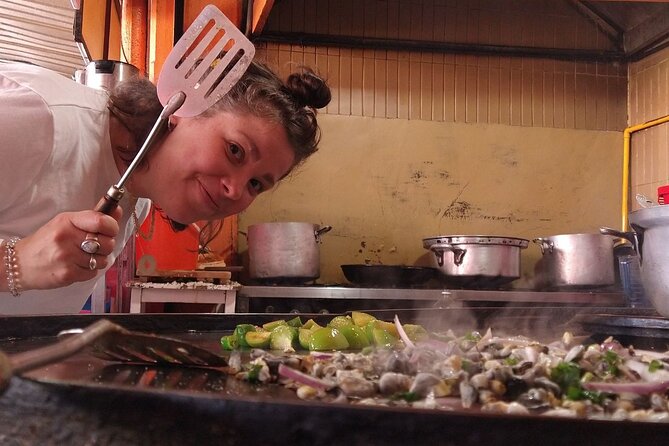
Food tastings can include tacos, pineapple tepache, local fruit, atole, tamales, and a huarache. Green chorizo tacos have received particular praise, though exact samples can vary by vendor and day. Tepache, a lightly fermented pineapple drink, gives you a taste that is different from the sweeter drinks many visitors already know.
A huarache is a thick masa base topped with ingredients, and it becomes especially important later when you eat it with your homemade salsa. The tour’s food progression works well because you see ingredients in the market before using some of them yourself.
Do not expect a quiet food hall. Jamaica is a working market, and the route passes through narrow lanes and active stalls. Keep your group in sight, watch your footing, and avoid carrying a large camera. Only small cameras are considered suitable for this experience.
Same place, a different set of stalls:
- Frida Kahlo VIP [Museum Tickets Included] Bike, Markets & Churros
★ 5.0 · 1,072 reviews - Frida Kahlo VIP [Museum Tickets Included] Walk, Markets & Churros
★ 5.0 · 982 reviews - Cabo San Lucas Mexican Cooking Class Experience and Local Markets
★ 5.0 · 915 reviews - Cancun Taco Tour, Local Beer and Night Market with Transportation
★ 5.0 · 816 reviews
The salsa lesson with a local family
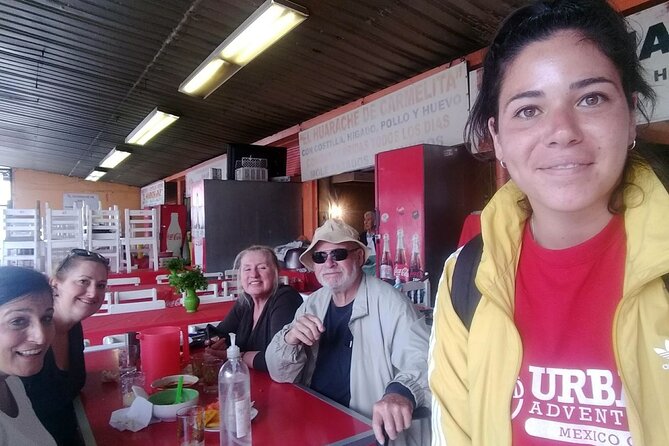
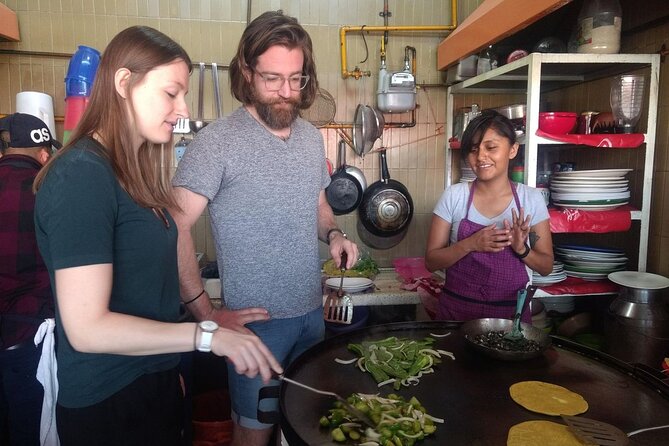
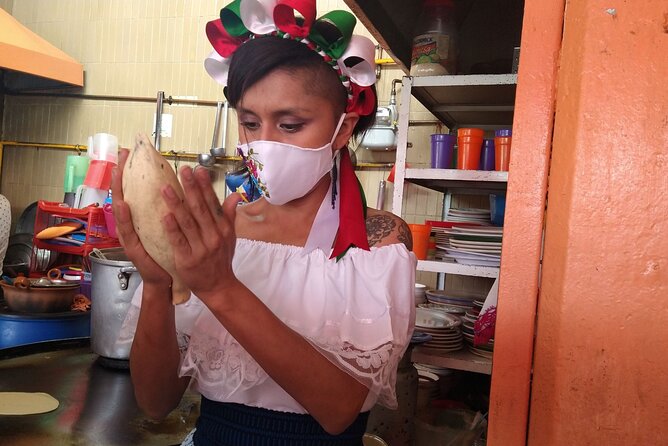
The final major activity takes place at a family business with nearly a century of tradition. You wash, cut, and grill the ingredients, then grind them in a molcajete, the traditional mortar and pestle used for many Mexican salsas.
This is the part I find most memorable because it turns a familiar condiment into a process. You learn how texture changes when ingredients are crushed by hand, and you can adjust your idea of salsa beyond the bottled versions found outside Mexico.
The setting is informal and family-run. The lesson is not presented as a formal cooking school with rows of workstations. You work alongside the family, and the preparation may take place in the middle of the market or at a nearby food business, depending on the arrangement.
Patience is a recurring strength of this activity. Guides have helped with special requests, translated questions, and made sure people with different food preferences could take part. Vegetarian, gluten-free, and lactose-free needs can be accommodated if you provide at least 24 hours’ notice.
You taste the salsa with a classic huarache. Some descriptions also refer to making or sharing the huarache, so ask your guide what your specific departure includes. The dish makes a satisfying finish after the earlier snacks, but do not eat a large breakfast before meeting the group. The food is spread across the morning and early afternoon.
What the guides add to the day
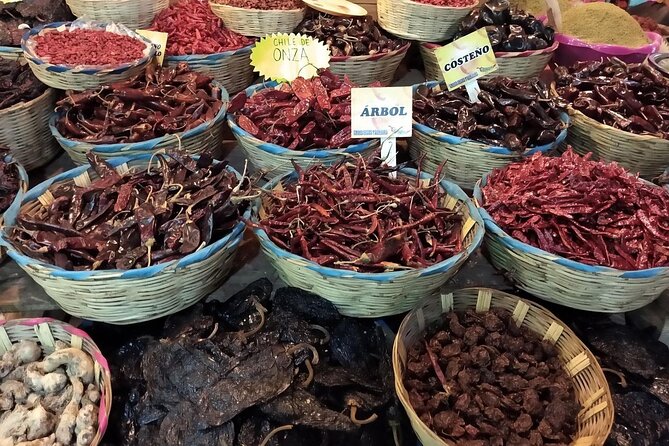
The guide matters more here than on a simple market walk. The markets are large, the food choices change, and much of the experience depends on introductions and explanations.
Andrea has been praised for her clear English and for making the tour feel welcoming soon after arrival in Mexico City. Axel has been described as warm and closely connected to the local community. Alfonso, also called Victor in some feedback, is noted for mixing art, architecture, food, and Metro instruction.
Viri has received praise for explaining the city’s history while also knowing vendors personally. Poncho has been singled out for humor, patience, and helping families feel comfortable on public transportation. Adriana has been appreciated for handling special requests and adjusting the pace to suit the group.
These details point to an important booking tip: the exact guide can shape the day. The tour structure is consistent, but the conversation, food stops, and amount of historical explanation may vary. If you enjoy asking questions, do so. The guides appear to be at their best when they can connect a market stall or mural to a larger story.
The overall rating is 4.8 from 310 ratings, with 95 percent recommending the experience. That is a strong record, but it is not flawless. Two serious complaints describe a November 2025 guide no-show and poor communication while the group waited. The operator apologized and said the cancellation came from a last-minute change. This seems unusual given the much larger number of positive reports, but it is fair to keep the possibility in mind and confirm your meeting details.
Walking, clothing, weather, and personal comfort
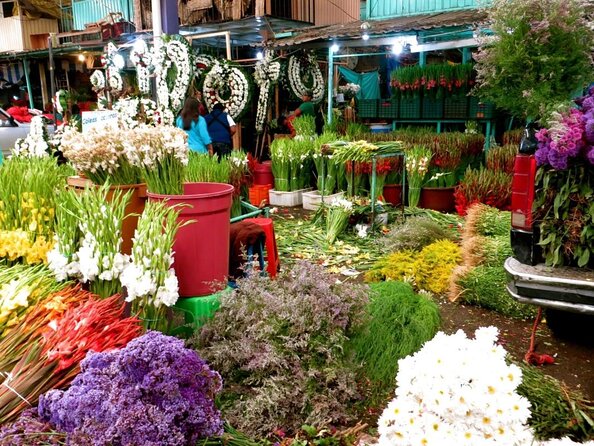
The route covers roughly 6 kilometers, or 3.7 miles. That distance is spread across markets, streets, and transit connections, but the ground can feel demanding because markets require standing, maneuvering, and frequent stops.
Wear comfortable walking shoes, long trousers or jeans, and a simple shirt. Conservative clothing is recommended because the tour visits areas away from the main tourist route. You do not need to dress up.
The rainy season runs from May through September, so bring a raincoat or umbrella during those months. A water bottle is also sensible, although the tour information notes that you can buy water along the way.
The experience requires moderate physical fitness. It may suit children and older adults who are comfortable walking, as one family group ranging from age 8 to 56 completed it comfortably, but the 6-kilometer route should not be ignored. If you tire easily, ask about the walking pace before booking.
Who gets the best value from this experience?
I would choose this tour early in a Mexico City stay. The Metro lesson can help you move around independently afterward, and the guide can offer ideas for the rest of your visit. It is particularly useful if you want food, history, and everyday city life in one morning.
It also suits solo visitors. The small group creates a social setting without the size of a bus tour, and the salsa activity gives everyone a natural way to participate.
Families can enjoy it too, especially if children like hands-on food preparation. The long walk and market crowds may be tiring for younger children, so consider your group’s stamina rather than relying only on the five-hour duration.
You may want a different experience if you prefer a polished culinary class, a private vehicle, or a tightly controlled schedule. This tour is built around local markets and public transit. Expect some noise, changing food stops, and a guide-led route rather than a formal restaurant meal.
Booking advice and final verdict
Book with at least a little advance planning. The experience is often reserved about 26 days ahead, and the maximum group size is 12. Free cancellation is available up to 24 hours before the start time, but changes or cancellations inside that window are not accepted for a refund.
I recommend confirming the meeting point, food inclusions, dietary needs, and exact market name before the morning begins. The first stop appears under two names in the tour information, so that quick check can prevent confusion.
You should book this tour if you want a practical, food-centered introduction to Mexico City rather than a checklist of famous sights. The combination of murals, markets, Metro travel, street food, flowers, and salsa-making offers a generous amount for five hours.
I would skip it only if six kilometers of walking sounds unpleasant or if you want every meal and tasting clearly included in the published price. For most visitors who arrive ready to walk, taste, ask questions, and ride public transit, this is a lively and useful first look at the city’s everyday character.
FAQ
How long does the Mexico City market and salsa tour last?
The experience lasts approximately five hours and begins at 8:30 am.
Where does the tour start?
It starts at República de Guatemala 4 in Centro Histórico, near the facade of Hostel Mundo Joven.
Where does the tour end?
The tour ends at the facade and entrance of Palacio de Bellas Artes on Avenida Juárez.
Which markets does the tour visit?
It visits Mercado Melchor Muzquiz, also described in the tour details as Abelardo Rodriguez Market, and Mercado de Jamaica.
Does the tour include a Metro ride?
Yes. You take the Mexico City Metro with the guide to reach Mercado de Jamaica.
What foods and drinks may I taste?
Tastings can include tamales, atole, tacos, huaraches, local fruit, and pineapple tepache. Some departures may also include café de olla. Food and drinks are listed as not included unless specified, so confirm the exact coverage before booking.
Can dietary requirements be accommodated?
Vegetarian, gluten-free, and lactose-free needs can be accommodated if you notify the operator at least 24 hours before the tour.
How much walking is involved?
The route covers about 6 kilometers, or 3.7 miles, through markets and city streets. A moderate level of physical fitness is recommended.
What should I bring and wear?
Wear long trousers or jeans, a simple shirt, and comfortable walking shoes. Bring a small amount of spending cash, a water bottle, and a raincoat or umbrella during the May to September rainy season. Leave passports, extra cards, and other valuables at your hotel.
More Food Trips in Mexico
- Cancún: Street Food, Local Market and Urban Art Tour
★ 4.7 · 88 reviews - Cancun Walking Food Tour: Local Food, Markets, and Street Art.
★ 5.0 · 49 reviews - San Jose del Cabo: Guided Food Tour & Visit to Local Market
★ 4.8 · 17 reviews - Oaxaca Markets Food Tour
★ 5.0 · 15 reviews
More Food and Drink Trips in Mexico
- Mexican Cooking Class with Food Market Visit in Mexico City
★ 5.0 · 506 reviews - Oaxaca: Food and Markets Tour
★ 4.9 · 170 reviews - Food & Markets Tour
★ 5.0 · 148 reviews - Oaxaca Street Food Tour. Signature Markets Tour
★ 5.0 · 102 reviews
Just added around Mexico
- Experience Cancun’s Hidden Gems, Mayan museum, cenote & Market 23★ 5.0 · 49 reviews
- Lucha Libre, Tacos, Margaritas,Tequila and Night Market Tour★ 5.0 · 64 reviews
- Taste of Cancun: Street Food, Local Market and Urban Murals Tour★ 5.0 · 6 reviews
- Cancun Taco & Beer Fiesta: Authentic Mexican Tasting Experience★ 5.0 · 3 reviews
- Cancun Street Food, Urban Art and Local Market Experience★ 4.0 · 4 reviews
- Cancun Private Foodies Market Tour and Street Food★ 5.0 · 3 reviews
- Flavors of Mexico: Cancun Cooking Class & Market Visit★ 4.5 · 5 reviews
- Cancun Walking Food Tour: Local Food, Markets, and Street Art.★ 5.0 · 49 reviews
Street Food Market Tours, compared.
Old Town, Creek, Museums, Souks, & Street Food Tour
Read our review →
Old Town, Souks, Street Food, Guided Tour & Abra Ride
Read our review →

London Bridge & Borough Market Food Tour with 7 Authentic Dishes
Read our review →
Old Town, Souks, Street Food, Guided Tour & Abra Ride
Read our review →
Small Group Cooking Class & Market Food Tour in Florence
Read our review →
Browse the lists this tour appears in