
Review · MOROCCO
Fes: Bou Inania Madrasa, Museum, Tannery, Souk & Medina Tour
Fes rewards curious walkers. This four-hour tour links Bou Inania Madrasa, Al-Karaouine University, Chouara Tannery, and the Medina with a local guide who knows how the old city works. I like the clear route through places that are easy to miss, and I like the practical help with craft shopping, especially when guides such as Mouanis, Houssine, Driss, and Jamal explain how to spot locally made goods. The main catch is that tannery and workshop visits can lead into sales pitches, so you should enjoy browsing without feeling obliged to buy.
I also like the relaxed pace. The schedule leaves time for photographs, questions, and short pauses rather than racing from monument to monument. Still, this is a walking tour through narrow lanes, and the activity is not suitable for people with mobility impairments despite wheelchair accessibility being listed, so check the route carefully before booking.
Key points at a glance
- A practical four-hour route through Fes El Bali: Cover major sights without trying to decode the Medina alone.
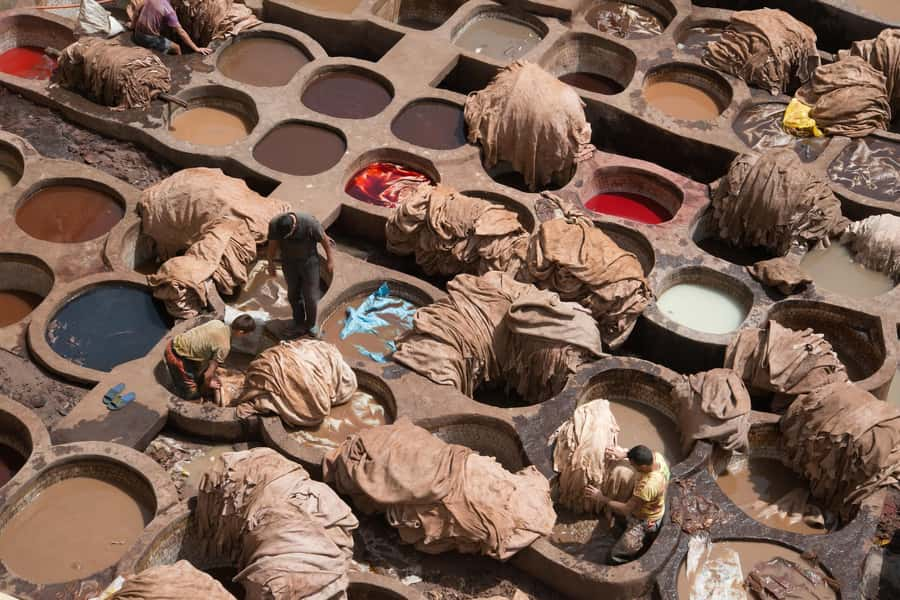
- The Chouara Tannery from a terrace: See leather workers using colored dye pits and old hand methods.
- Real craft stops, not only monuments: Look for woodwork, rugs, scarves, jewelry, pottery, zellige tile, and leather.
- A guide makes the Medina easier: Local guides can help you find the right lanes, understand the souks, and avoid low-quality imports.
- A low headline price with two monument fees extra: The tour costs $12 per person, while Bou Inania and Dar Batha each cost 20 MAD per adult.
- Small-group or private options: The private version can include pickup from a riad inside the Medina.
Why a guide helps in Fes Medina
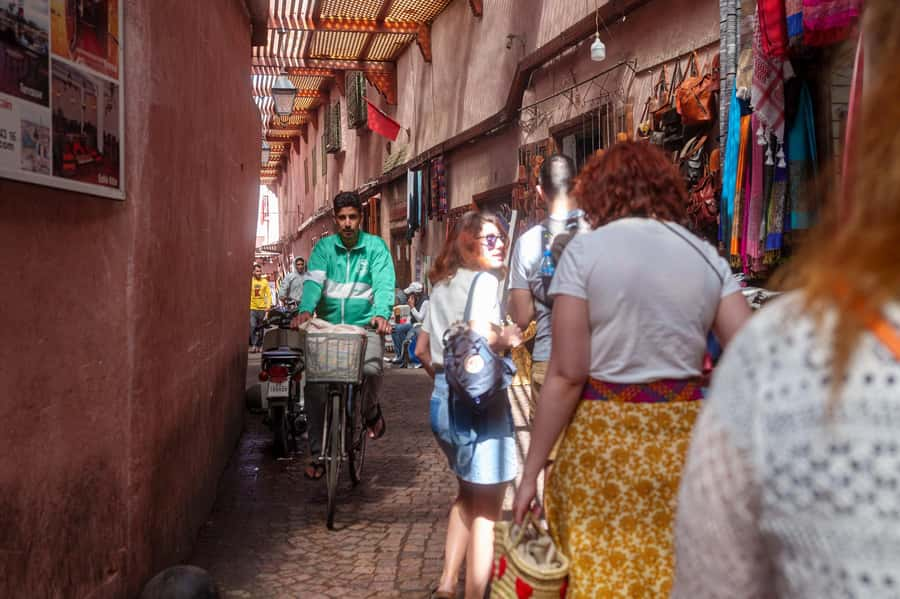
Fes Medina is not a simple sightseeing district with one obvious main street. It is a working old city of lanes, workshops, food stalls, shrines, markets, and homes. A map can show you where the major monuments are, but it cannot always explain which alley leads to the next quarter or why a particular lane is filled with copper, spices, or textiles.
This tour gives you a useful framework. You begin at Bab Bou Jeloud, the famous Blue Gate, then walk into the UNESCO-listed Medina with a guide who supplies the connections between places. The history covers about 1,200 years and includes sultans, scholars, religious life, and artisan trades.
The strongest praise goes to the guides. Mouanis is described as friendly and unhurried, with a particular gift for families. Houssine receives credit for making the walk personal and fun. Driss helped explain the city and distinguish Moroccan craft from cheap imported goods. Jamal was praised for explaining how the Medina developed and how people live within it.
That matters here. You can visit a beautiful courtyard by yourself, but a good guide helps you understand why it was built, what it was used for, and how it fits into Fes life.
More Museum Visits in Marrakesh:
- Dubai: Old Town, Creek, Museums, Souks, & Street Food Tour
★ 4.8 · 10,816 reviews - Cairo 8 Hour Private Tour of Pyramids, Egyptian Museum and Bazaar
★ 5.0 · 2,931 reviews - Cairo: Female-Guided Pyramids, Sphinx & Museum City Tour
★ 4.8 · 1,614 reviews
Bab Bou Jeloud and the first steps inside
Bab Bou Jeloud is the natural starting point. Its blue exterior makes an easy meeting landmark, and the guide will be waiting in front of Hotel Batha unless your private option includes pickup from your Medina riad.
The first ten minutes are mainly about orientation. You move from a recognizable gate into a maze of lanes where cars give way to pedestrians and working animals. Your guide should help you settle into the rhythm and show you how the Medina is arranged.
The public meeting point is Hotel Batha on Avenue de La Liberte. If your accommodation is inside the old town, the private option includes pickup from reception. If you stay outside the Medina, you need to reach the hotel yourself, since transportation is not included.
Dar Batha: palace rooms and Moroccan crafts
Dar Batha adds a quieter indoor stop after the first walk. This former royal palace now houses Moroccan arts, crafts, and history. Expect carved wood, ceramics, embroidery, and other examples of handwork rather than a large modern museum experience.
The visit is scheduled for about 30 minutes, including guided explanation, photographs, and some free time. That is enough for an introduction, but not enough for a slow study of every object. I would treat it as a compact cultural stop that gives context for the craft workshops later in the day.
Entrance costs 20 MAD per adult and is not included in the $12 tour price. Bring cash for this and the madrasa, as well as for optional purchases in the souks.
Bou Inania Madrasa and Marinid detail
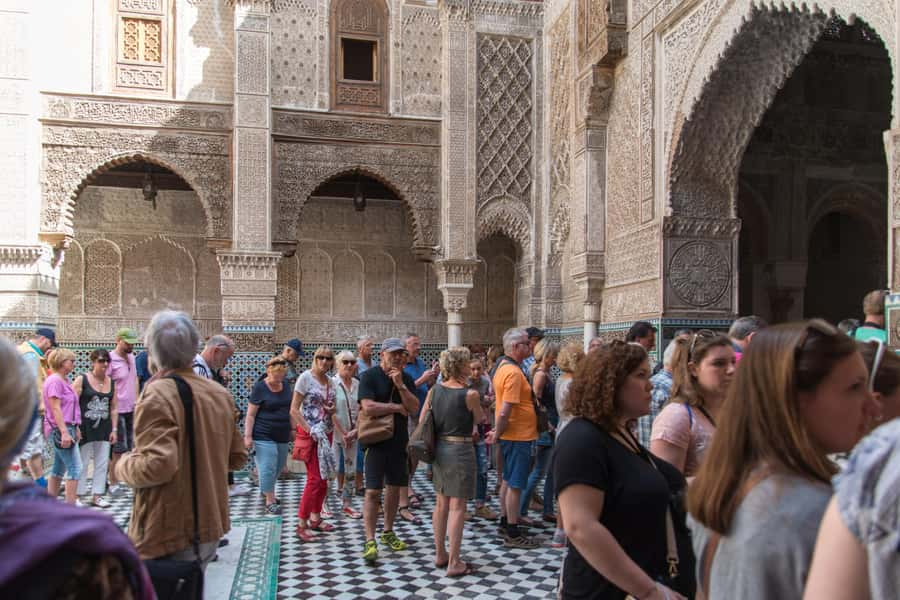
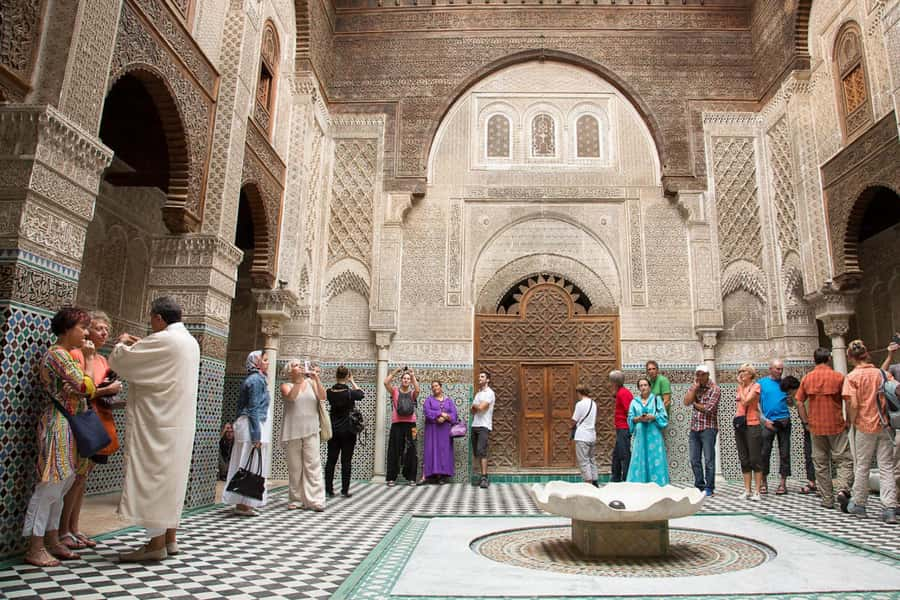
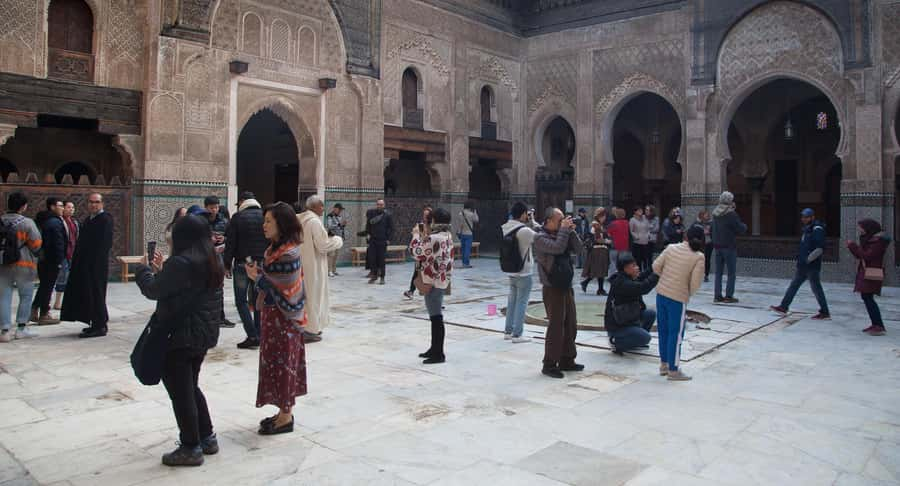
Bou Inania Madrasa is the architectural centerpiece. This 14th-century Marinid school has carved cedarwood, detailed zellige tilework, and a marble courtyard that provides a welcome pause from the tight lanes outside.
The building is also unusual because it served as both a madrasa and a mosque. That dual role helps explain why the visit feels both scholarly and religious. Your guide can point out the materials and patterns, while you have time to take photographs and look closely at the workmanship.
The stop lasts about 35 minutes. That is a sensible amount of time for the courtyard, decoration, and explanation. The entrance fee is 20 MAD per adult, again paid separately.
This is one of the places where a guide adds real value. Without context, the tile and woodwork are attractive. With context, you begin to see the planning and labor behind every surface.
A few more market tours around Marrakesh worth a look
- Marrakech: Bahia Palace, Saadian Tombs, Souk and Medina Tour
★ 4.7 · 4,974 reviews - Marrakech: Ben Youssef, Secret Garden, & Souks Walking Tour
★ 4.6 · 2,802 reviews - Marrakech: Colorful Medina Souks Guided Walking Tour
★ 4.7 · 2,470 reviews - Marrakech: Traditional Moroccan Cooking Class & Market Visit
★ 4.8 · 1,861 reviews
Al-Karaouine from the outside
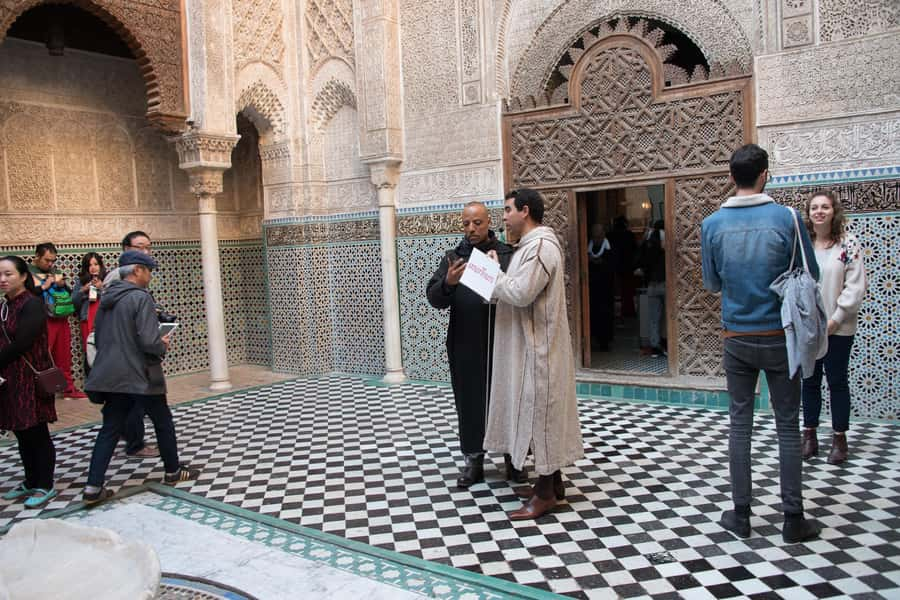
The Mosque and University of Al-Karaouine is visited from the exterior. It is associated with one of the world’s oldest universities and remains one of Fes’s key religious and intellectual landmarks.
The planned stop takes about 20 minutes. Since the visit is exterior, you should not expect a full interior tour. The benefit is the explanation of the institution and its place in the city, along with views of the architecture from the surrounding streets.
This distinction matters when you set expectations. If your main goal is to enter every major religious building, this tour will not provide that. If you want a compact introduction to Fes’s scholarly identity, the stop works well.
Chouara Tannery and the leather trade
Chouara Tannery is the most famous working sight on the route. From a panoramic terrace, you look down on dyeing pits where artisans process leather by hand. The colors come from natural materials such as saffron and indigo, and the craft tradition is described as dating back to the 11th century.
The scheduled visit lasts about 30 minutes and includes photographs, explanation, and time for shopping. The terrace gives you the clearest view, but it also places you inside a commercial setting. Tannery access commonly runs through cooperatives or shops, and the sales staff may invite you to inspect leather goods.
The advice is simple: look, ask questions, and buy only if you want to. Some visitors found the salespeople polite and not forceful. Others noted that these visits are part of the shopping structure of the Medina. You can gently decline and continue.
The leather stop is worth keeping because it shows a working trade rather than a display behind glass. Just remember that the tour combines viewing the craft with an opportunity to sell the finished product.
Souk Sabaghine, Souk El Attarine, and Hammam Seffarine
The Medina portion lasts about 45 minutes, though the entire walking route takes roughly 210 minutes to four hours. This is where the tour feels most like a lesson in how Fes operates day to day.
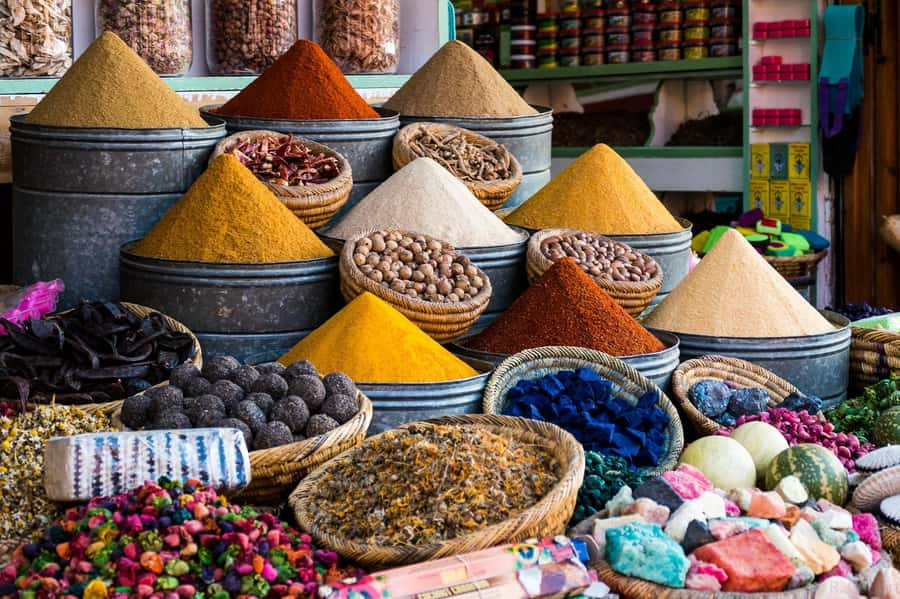
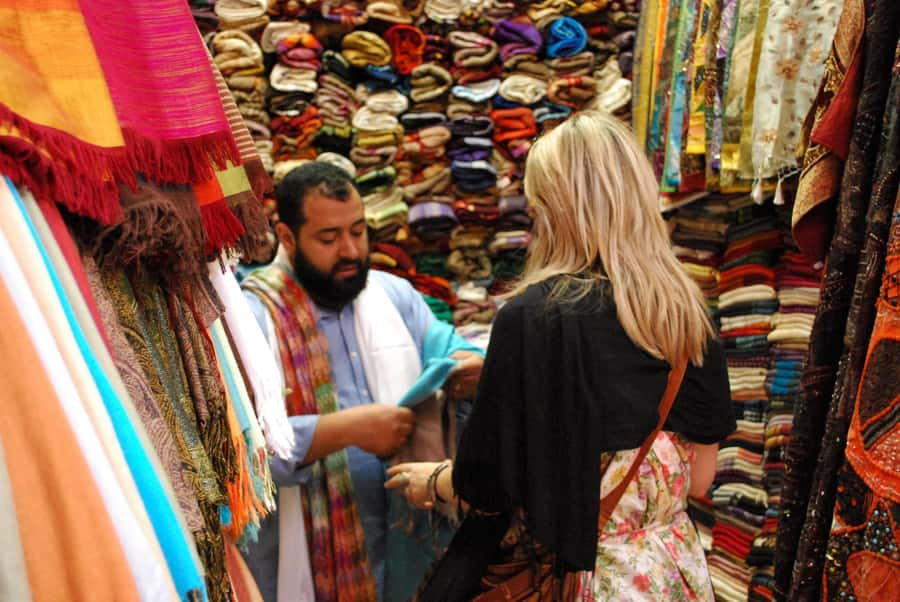
Souk Sabaghine is known for handwoven textiles. Souk El Attarine brings spices, perfumes, and herbal remedies into the picture. At Hammam Seffarine, you can hear the rhythmic hammering of coppersmiths and see how metalworking remains part of the old city’s identity.
These stops are not just a shopping list. Each souk is tied to a trade, and each trade helps explain why the Medina developed as a collection of specialized lanes. A guide can also help you tell the difference between a genuine artisan workshop and a shop selling generic goods.
Guides have taken groups to see woodwork, jewelry, rugs, scarves, and leather being made. Driss was especially praised for helping with Moroccan craft purchases and for steering shoppers away from cheap Chinese imports. That kind of advice can save both money and disappointment.
Still, keep your own limits. The tour is designed to include shopping, and you may spend more time in workshops than you expected if you are not clear about what interests you.
Pottery, zellige, and the final workshop
The final craft visit focuses on pottery and zellige tile. You may see artisans shape clay, paint ceramics by hand, and cut small tiles into geometric mosaic designs. These materials decorate Moroccan palaces, fountains, and mosques, so the stop connects everyday objects with the grand buildings seen earlier.
This is a useful ending because it brings the visual details of Bou Inania back into focus. The carved wood, patterned tile, and painted ceramics are not isolated museum pieces. They come from living skills that still support workshops and shops in Fes.
As with the tannery, the workshop may include merchandise for sale. I would go in with a clear plan. Ask about the process, compare quality, and buy only when the item suits your budget and luggage.
Pace, group size, and physical demands
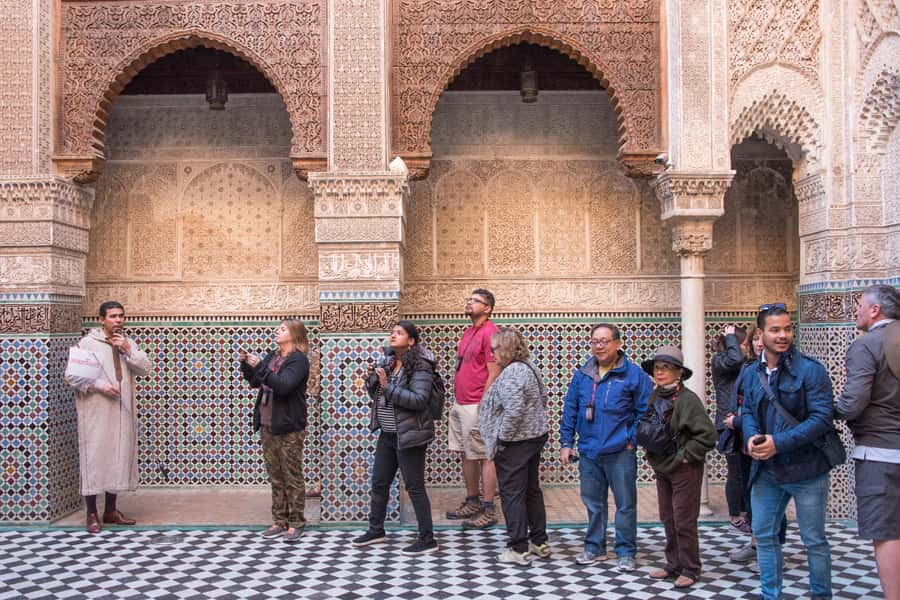
The tour lasts between three and a half and four hours, with walking spread across several stops. Several people valued the relaxed pace, the time for photographs, and the chance to ask questions. Families may appreciate that the guide can slow down, as Mouanis did for a group with three children.
Private and small-group formats are available. A private tour should suit you if you want to ask many questions, adjust the pace, or focus more heavily on crafts or architecture. A shared option offers the lower price and may suit couples or solo visitors who want company.
Wear comfortable shoes. The route includes narrow Medina lanes and extended walking. Sunglasses, sunscreen, water, and cash are sensible additions. The activity is marked wheelchair accessible, but it is also described as unsuitable for people with mobility impairments. Those details do not fully agree, so contact the provider before booking if stairs, uneven surfaces, or long walks are a concern.
French and English guiding are available. The provider sends a WhatsApp reminder with the guide’s name, meeting point, and useful tips the day before, which should make the start less uncertain.
Is $12 good value?
At $12 per person, the tour offers strong value if you want an efficient introduction to the Medina. You get a licensed local guide, a planned route, monument explanations, free time, and help navigating a place that can be difficult to read alone.
The price does not include transportation, food, or the two listed entrance fees. Add 40 MAD per adult for Dar Batha and Bou Inania, then budget extra only if you plan to shop. The private version may cost more depending on the selected option, but its pickup and personal attention can justify the difference for families or first-time visitors.
The tour is less valuable if you dislike shopping stops or prefer to wander without a set route. You can tell the guide that you want more streets and less merchandise, but the structure still includes tannery, pottery, and craft visits.
Who should book this Fes walk?
I would recommend it to first-time visitors, families, couples, and anyone who wants to understand the Medina without spending a full day finding the major sights. It is especially useful if you want practical shopping guidance along with architecture.
It suits you less if you have difficulty walking, want a museum-heavy experience, or expect interior access to every religious building. The Al-Karaouine stop is exterior, and the tour’s craft visits naturally include commercial activity.
The overall rating is 4.7 from 74 reviews, with particularly strong praise for guide patience, local knowledge, easy navigation, and a comfortable pace. Those are the qualities that matter most on this route.
Should you book it?
Book this tour if you want the main Fes Medina sights in one manageable walk, with a guide who can explain the city and help you shop sensibly. The low base price makes it a useful first-day orientation, especially when you add Bou Inania, Dar Batha, the tannery, the souks, and pottery in one route.
Skip it if you want complete independence or have no interest in workshops and Moroccan goods. For most first-time visitors, though, the guide support is worth paying for. Fes is easier to appreciate once someone helps you read its lanes, trades, buildings, and daily routines.
FAQ
How long does the Fes Medina tour last?
The activity lasts about 210 minutes to four hours, depending on the selected option and pace.
What is the price of the tour?
The listed price is $12 per person. Entrance fees to Bou Inania Madrasa and Dar Batha Museum are separate.
How much are the monument entrance fees?
Bou Inania Madrasa costs 20 MAD per adult, and Dar Batha Museum costs 20 MAD per adult.
Where does the tour meet?
The standard meeting point is in front of Hotel Batha on Avenue de La Liberte in Fes.
Is hotel pickup available?
Pickup is available from the reception of a riad inside the Medina when you choose the private option. Accommodation outside the Medina requires you to meet the guide at Hotel Batha.
Which languages are available?
The tour is available with a live guide in English or French.
Does the tour include transportation?
No. Transportation, food, and drinks are not included.
What should I bring?
Bring comfortable shoes, sunglasses, sunscreen, water, and cash.
Is the tour suitable for people with mobility impairments?
The activity information says it is not suitable for people with mobility impairments, although wheelchair accessibility is also listed. Contact the provider before booking if you have specific mobility needs.
Just added around Marrakesh
- Souks tour of Marrakech ( 3 hours )★ 5.0 · 5 reviews
- Marrakech: Hidden Souks Shopping Tour with Private Guide★ 4.1 · 53 reviews
- Marrakech: Half-Day Medina Markets Tour★ 4.5 · 11 reviews
- Edgy 8 Dish Private, Fusion Cooking Class, Menu Plan, Market★ 4.9 · 31 reviews
- Marrakesh: Private Cooking Class & Local Market Shopping★ 4.7 · 15 reviews
- Marrakech: Bahia Palace, Madrassa & Souks Guided Tour★ 4.8 · 47 reviews
- Marrakech: Vibrant Souks, Local Artisans & Medina Experience★ 4.5 · 66 reviews
- Marrakech: Private Souks Tour with Tea and Traditional Snack★ 4.6 · 33 reviews
Museums, compared.
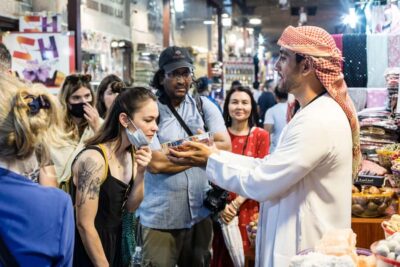
Old Town, Creek, Museums, Souks, & Street Food Tour
Read our review →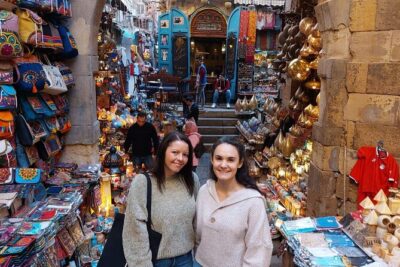
Cairo 8 Hour Private Tour of Pyramids, Egyptian Museum and Bazaar
Read our review →
Female-Guided Pyramids, Sphinx & Museum City Tour
Read our review →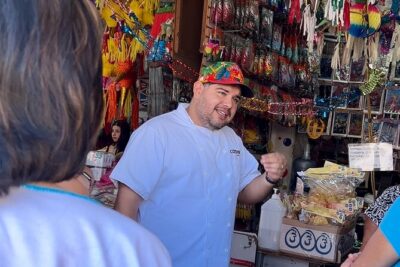
Frida Kahlo VIP [Museum Tickets Included] Bike, Markets & Churros
Read our review →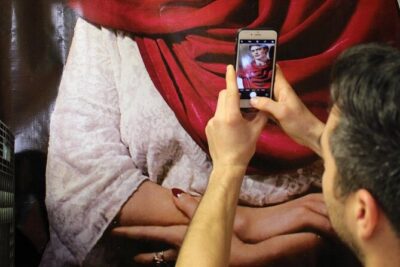
Frida Kahlo VIP [Museum Tickets Included] Walk, Markets & Churros
Read our review →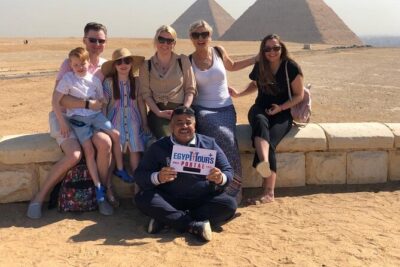
Day Tour to Giza Pyramids Complex, Egyptian Museum & Bazaar
Read our review →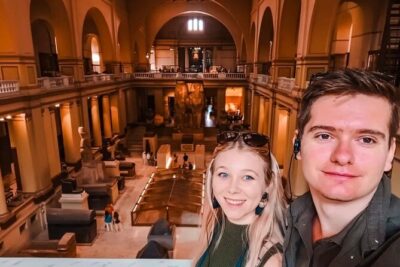
The Egyptian Museum, the Citadel, Khan Khalil Bazaar & Old Cairo
Read our review →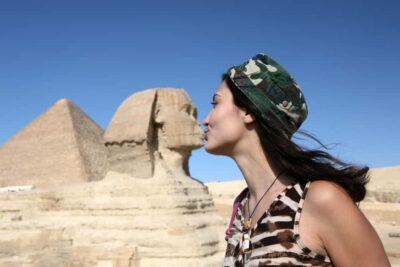
Browse the lists this tour appears in