
Review · FRANCE
Discover Paris’ Marché d’Aligre: 2-Hour Market Tour
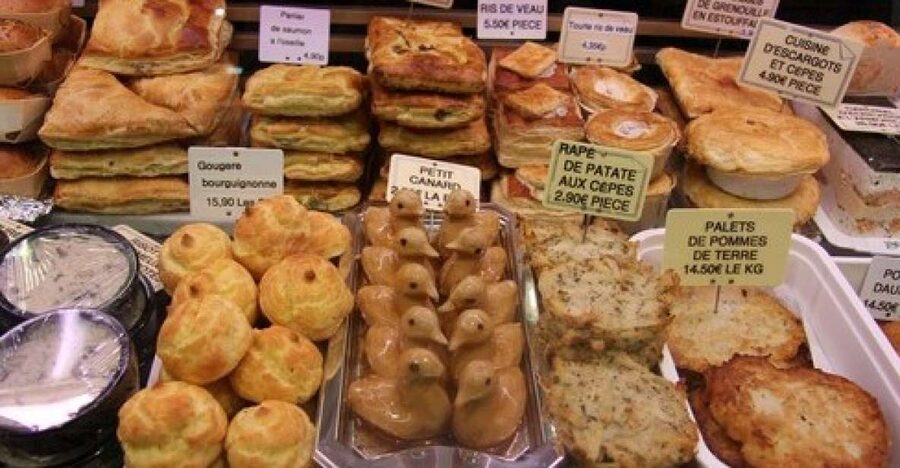
Paris gets more interesting at the market. This two-hour walk through Marché d’Aligre shows you a working neighborhood market rather than a polished sightseeing stop. I like the mix of the covered Marché Couvert Beauvau, outdoor stalls, specialty foods, and flea-market oddities. I also like that tastings and mint tea are included, giving you a reason to pause and sample rather than simply walk past the stalls.
The small group, limited to eight people, is another strong point. Guides such as Caroline and Christine have been praised for making the market feel personal and for offering useful Paris tips beyond the scheduled walk. The main consideration is value: at $129 per person, this is costly for two hours, especially if you mainly want to browse stalls on your own. The flea market may also feel ordinary, and one past rating was sharply negative.
Key points before you book
- Two market worlds in one visit: See the covered Marché Couvert Beauvau and the outdoor street market in the same neighborhood.
- A taste-focused walk: Specialty food tastings and mint tea at a corner café are included in the price.
- A rare covered market setting: Learn how the market connects with Paris’ old covered-passage tradition.
- Small group attention: A maximum of eight people allows more room for questions and conversation.
- A guide can shape the experience: Caroline and Christine received especially warm praise for their friendly explanations and extra Paris advice.
- The flea market is not the main attraction: It offers unusual finds, but you should keep expectations modest.
Why Marché d’Aligre feels different from central Paris
Marché d’Aligre sits at 100, rue du Faubourg Saint-Antoine, in the 12th arrondissement. The closest metro station is Ledru-Rollin, exit 2, so getting to the meeting point is straightforward if you are already using Paris public transportation. Transportation is not included, and the tour begins at the stated meeting point.
What makes this area appealing is its everyday feel. You are not simply looking at a market arranged for sightseeing. You are seeing food stalls, shops, cafés, and a flea market that form part of local neighborhood life. The market also borders North African shops, adding another layer to the food and shopping scene.
I value this kind of stop because it gives you a better sense of how Paris works between the famous monuments. You can see the sort of place where people shop for food, compare prices, browse small items, and meet for a drink. The tour does not promise grand architecture or a landmark view. Its appeal is closer to street-level Paris.
More Two-Hour Tours in Paris:
- Paris: 2-Hour Aligre Market Walking Food Tour & Tasting
★ 5.0 · 13 reviews - 2 Hour Historic Market Food Tour and Hands-On Biscuit Class
★ 5.0 · 251 reviews - 2-Hour Food, History and Street Art Tour of Ponce City Market
★ 5.0 · 159 reviews
Starting at the covered Marché Couvert Beauvau
The tour includes the Marché Couvert Beauvau, the indoor section of Marché d’Aligre. This is one of the last 20 covered markets remaining from the original group of les passages couverts, the roofed shopping passages created behind Paris’ major boulevards.
That background gives the indoor market more meaning than a quick food stop. You are not just entering a hall with stalls. You are seeing part of an older Paris shopping tradition that has survived while much of the city changed around it.
Inside, expect rows of food sellers and displays of items such as tapenades, spices, flowers, and coffee. The description does not promise a fixed tasting menu, so the exact foods can vary. That is useful to know. This is a market walk, not a formal cooking class or restaurant meal.
The guide’s role matters here. A good explanation can turn a jar of tapenade or a pile of spices into a lesson in how French markets sell and present food. Past guests singled out Caroline for explaining the freshness of market products and for creating a friendly, natural atmosphere. Christine was also praised for helping visitors feel more at home in Paris and suggesting other places to explore.
You should allow yourself to look closely. Market stalls reward attention to small details: how products are arranged, what foods are sold together, and how a covered market differs from an outdoor stand. With only two hours, the pace should remain manageable, though the number of tastings and stops depends on the guide and the day.
Moving into the outdoor street market
After the covered market, the walk continues through the outdoor part of Marché d’Aligre. This change in setting is one of the tour’s best features. The indoor market offers a roof, permanent stalls, and a sense of old Paris commerce. The street market is more open and changeable.
You can expect a wider look at the neighborhood’s daily shopping culture. The market is known for its food stalls and colorful displays, and you might see produce, flowers, prepared foods, and other market goods. The supplied details do not guarantee every type of stall on every visit, so it is better to think of this as a guided introduction rather than a fixed checklist.
One especially useful part of the experience is learning how locals shop. A past five-star account described visits to a bakery and conversations with a butcher, along with samples of a warm croissant, coffee, baguette, and truffle cheese. Those particular stops should not be treated as guaranteed, but they show the sort of food-centered encounter the tour can offer.
The truffle cheese received especially strong praise. It was explained as a cheese traditionally eaten during Christmas, and it became one of the most memorable tastes of that visit. That is the kind of detail I want from a market tour: not just a bite, but a little context about when and how the food fits into French life.
What the food tastings add
Specialty food tastings are included, which helps justify part of the price. You are not paying only for a walk and a history lesson. You also get the chance to try foods that may be unfamiliar or easy to overlook when you are shopping alone.
The tastings may include market products such as tapenade, cheese, bread, coffee, or other specialties. The exact selection is not specified, so you should not book this expecting a guaranteed list of dishes. Think of the samples as a changing introduction to the stalls you visit.
I like this format because tasting gives you a reason to ask questions. You can compare a market croissant with the pastry served at a hotel breakfast, or try a cheese after hearing how it is eaten. One past account described the warm croissant as notably different from the one served at the guest’s hotel. That is a small but useful reminder that freshness and setting can change a familiar food.
The experience is not designed as a full lunch. If you are hungry, plan to eat before or after the two-hour walk. The included food is best understood as sampling, not a meal replacement.
A few more market tours around Paris worth a look
- Versailles Palace Bike Tour with Market & Marie-Antoinette hamlet
★ 5.0 · 2,680 reviews - Versailles Bike Tour with Market, Gardens & Guided Palace Tour
★ 5.0 · 1,121 reviews - Paris Cooking Class and Lunch with Wine plus Market Visit Option
★ 5.0 · 1,024 reviews - Paris Evening Cooking Class French Dinner and Market Visit Option
★ 5.0 · 430 reviews
Mint tea and the North African connection
Mint tea at a corner café is also included. This pause gives the tour a change of rhythm after the market stalls and connects with the North African shops around Marché d’Aligre.
A café stop can be one of the most useful parts of a short walking tour. You get time to talk with the guide, ask about other places in Paris, and let the market visit settle before moving on. Christine was praised for sharing additional suggestions that visitors followed later in their stay. Caroline was also described as bringing Paris to life through personal explanations and practical guidance.
The details supplied do not identify the café or describe a set length for the stop. Still, the inclusion of mint tea tells you this tour is not limited to traditional French market foods. Marché d’Aligre’s character comes partly from the mix of cultures and businesses around it.
If you prefer a strictly French food itinerary, this may feel less focused than a pastry or cheese tour. If you enjoy seeing how different food traditions meet in one Paris neighborhood, the tea stop adds welcome variety.
The flea market: interesting, but keep expectations realistic
The tour also visits the connecting flea market. This is where you may find unusual objects, secondhand goods, and the occasional item that makes you wonder who bought it first. The description promises bizarre finds, but not a major antique market with rare treasures.
One four-star rating specifically found the flea market interesting but not exceptional. That seems like the fairest way to approach it. Treat this portion as a quick look at local oddities, not the main reason to pay for the tour.
I would especially advise you not to book the experience solely for shopping. The flea-market selection can vary, and there is no promise of a particular collectible or bargain. Its value is in the contrast with the food stalls and in seeing another side of the neighborhood.
For many people, the food market and guide’s commentary will be the stronger parts. The flea market works best as an extra stop that rounds out the route.
The guide can make or break two hours
A market is easy to visit badly. Without context, you may see rows of food and leave without understanding what makes the place special. The guide is there to explain the covered-market tradition, point out foods worth trying, and help you connect the stalls with local life.
The tour is offered in English or French. The group maximum is eight, which is a useful limit in a crowded market. You should have a better chance to hear the guide, ask questions, and stay together than you would in a large coach group.
The strongest praise went to Caroline and Christine. Caroline was credited with explaining fresh market food, arranging memorable tastings, and making the visit feel like a genuine taste of Paris. Christine was praised for being helpful during the market walk and for giving additional suggestions around the city.
That said, guide quality can vary, and one past rating was simply one star with the comment very bad. There is not enough information to explain what went wrong, so I would not ignore that rating. The broader pattern is positive, with a 4.5 score from seven ratings, but the sample is small. You should see this as a promising small-group experience rather than a guaranteed perfect morning.
Is $129 a fair price for two hours?
At $129 per person, this is an expensive market walk. The price makes more sense if you value three things: a small group, a guide who explains the neighborhood well, and included tastings with mint tea.
If you only want to wander through Marché d’Aligre, you can visit the area without paying for a guided tour. The tour fee is paying for interpretation and access to a more organized food experience, not simply admission to the market. There is no separate entry fee listed for the market itself, and transportation is not included.
The value improves for someone who wants help choosing what to taste or who feels unsure about shopping in a French market. It also improves if your guide is as engaging as Caroline or Christine. The value is weaker if you are mainly interested in the flea market, want a full meal, or prefer to explore independently.
The reserve-now-and-pay-later option gives you some planning flexibility, and free cancellation is available up to 24 hours before the tour for a full refund. Those policies do not reduce the price, but they make booking less risky when your Paris schedule is still changing.
Who should book this market tour?
I would recommend it to you if you want a local food stop with a guide, especially early in a Paris visit. The extra advice from guides can help you choose other places to eat and shop during the rest of your stay.
It suits curious eaters, first-time visitors who want more than monuments, and people who enjoy small groups. It is also a good fit if you like food tastings but do not want to commit to a long cooking class or a full-day excursion.
You may want to skip it if you have a tight budget, dislike group tours, or already feel comfortable navigating Paris markets. It is also not the best match if your main goal is a remarkable flea-market haul. The two-hour format gives you a useful introduction, but not an exhaustive market tour.
Practical details for planning your visit
The meeting point is 100, rue du Faubourg Saint-Antoine, 75012 Paris. Use Ledru-Rollin metro station and exit 2. Transportation to the meeting point is your responsibility.
The activity lasts two hours, with starting times depending on availability. It is offered in English and French, and groups are limited to eight people.
The price is $129 per person. Specialty food tastings and mint tea are included. Transportation is not included. You can cancel up to 24 hours in advance for a full refund, and you can reserve now while paying later.
Because the tour centers on food stalls and cafés, it is sensible to avoid arriving overly full. At the same time, do not count on the tastings as a complete meal. The exact foods and market stops can change, so keep a little room for discovery.
Should you book Marché d’Aligre?
Book this tour if you want a friendly, food-focused introduction to a real Paris neighborhood and are willing to pay for guidance. The covered market, outdoor stalls, North African surroundings, tastings, and mint tea create a varied two-hour route. The best guides appear to add real value, with Caroline and Christine earning especially warm praise for their personal help and practical Paris advice.
Skip it if $129 feels too steep for a short walk or if you mainly want the flea market. That part may be fun, but it is not exceptional enough to carry the experience. For the right person, this is less about checking off another attraction and more about learning how to look, taste, and shop in Paris.
FAQ
How long does the Marché d’Aligre tour last?
The tour lasts two hours.
Where does the tour meet?
The meeting point is 100, rue du Faubourg Saint-Antoine, 75012 Paris.
Which metro station is closest?
The nearest station is Ledru-Rollin, using exit 2.
What languages are available?
The tour is offered in English and French.
What is included in the price?
Specialty food tastings and mint tea at a corner café are included.
Is transportation included?
No. Transportation is not included in the tour price.
How large is the group?
The tour is limited to a maximum of eight participants.
Just added around Paris
- Paris: Food Market Tour in Bastille★ 4.6 · 12 reviews
- Paris: Christmas Market Guided at Notre Dame & Food Tasting★ 5.0 · 3 reviews
- Paris: Saint Ouen Flea Market Guided Tour★ 4.9 · 8 reviews
- Paris: Evening Cooking Class with Optional Market Visit★ 4.8 · 19 reviews
- Paris: 2-Hour Aligre Market Walking Food Tour & Tasting★ 5.0 · 13 reviews
- Versailles: Local & small-group Farmers’ Market Food Tour★ 5.0 · 3 reviews
- Paris Iconic Saint Ouen Flea Market Small Group Walking Tour★ 4.0 · 18 reviews
- Historical Paris Walking Tour to Vibrant Food Market★ 5.0 · 68 reviews
Market Tours, compared.
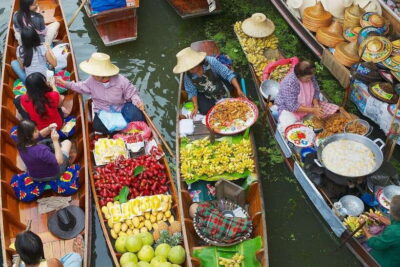
Damnoen Saduak Market and Maeklong Railway Market
Read our review →
The Old Siam: Damnoen Saduak and Maeklong Railway Market
Read our review →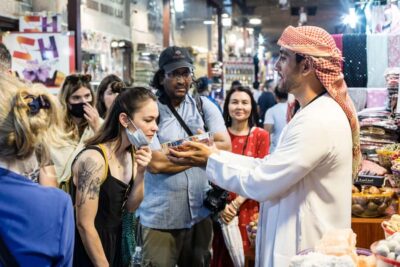
Old Town, Creek, Museums, Souks, & Street Food Tour
Read our review →Train Market & Floating Market with Boat Ride
Read our review →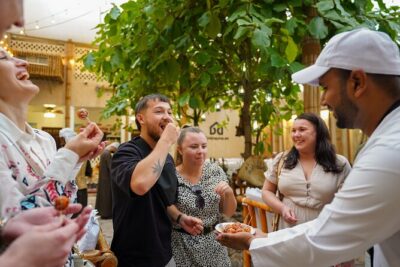
Old Town, Souks, Street Food, Guided Tour & Abra Ride
Read our review →
Ayutthaya & Ayothaya Floating Market Day Trip
Read our review →
Frame Tickets, Creek, Souks & Blue Mosque Guided Tour
Read our review →
Hanoi Cooking Class: Culture, Local Market & Meaning CSR Impact
Read our review →Browse the lists this tour appears in