
Review · ITALY
Discover the old market and make fresh pasta
Fresh pasta starts at the market. This four-hour experience pairs a walk through Villafranca’s old market with a hands-on cooking class near Scaliger Castle. I like the market-to-table format, and I like that you make several classic dishes rather than simply watching a demonstration. The main drawback is timing: the full market visit happens on Wednesday, while other days use selected local shops.
I also like the small group limit of 10, which should give you room to work at the table and ask questions. The cooking focuses on real techniques, including hand-kneading dough, shaping Tortellini Nodo d’amore, preparing pappardelle or vegetable-filled tortelli, and making tiramisu. One practical concern is communication before the activity, since one booking received confirmation only about an hour before the morning start and had trouble getting help from the company.
Key points to know before booking
- Wednesday is the best market day: You walk among the stalls and choose ingredients with the chef.
- The class is fully hands-on: You knead dough and prepare pasta, filled pasta, and tiramisu.
- The setting is special: Cooking takes place in a typical Venetian kitchen with a garden facing Scaliger Castle.
- Wine is part of the meal: Your finished dishes are served with local Veronese wines.
- The group stays small: No more than 10 participants take part.
- The experience lasts four hours: Allow enough time for shopping, cooking, eating, and conversation.
Starting at Villafranca’s Scaliger Castle
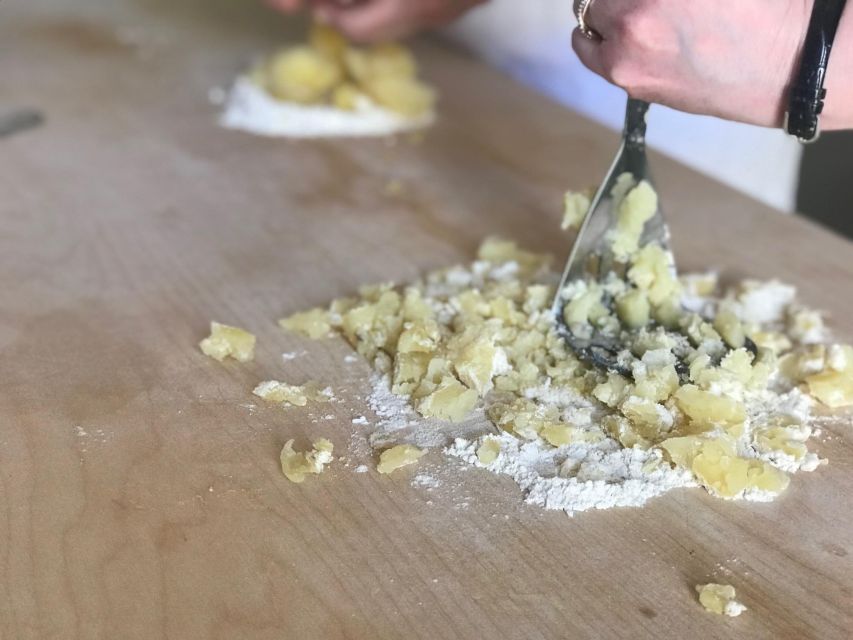
You meet the chef in Villafranca, in front of the Scaliger Castle. The supplied meeting coordinates are 45.3514404296875, 10.846451759338379, and the host’s direct contact details are provided after booking.
That meeting point gives the experience a clear start. You are not being collected from a large hotel lobby or pushed onto a coach. You make your way to a recognizable landmark, then begin with the town and its food rather than heading straight into a classroom.
The castle also helps you orient yourself. If you are staying in or around Verona, check your transport plan carefully before booking, since this experience meets in Villafranca rather than at a central Verona address. The activity information does not include transport to the meeting point, so you should arrange that part yourself.
The four-hour length is useful here. The schedule has several parts: meeting the chef, shopping, moving to the kitchen, preparing the food, cooking, and sitting down to eat with wine. This is not a quick pasta lesson squeezed into an hour. You will need most of a half day.
A few more market tours around Italy worth a look
- Bologna Food & Market Tour with 6 Tastings, Pasta, Wines & More
★ 5.0 · 1,328 reviews - Pasta and Tiramisu Cooking Class with optional Local Market Tour
★ 5.0 · 515 reviews - Rome: Pasta Cooking Class with Market Visit and Wine
★ 4.9 · 277 reviews
Why Wednesday changes the experience
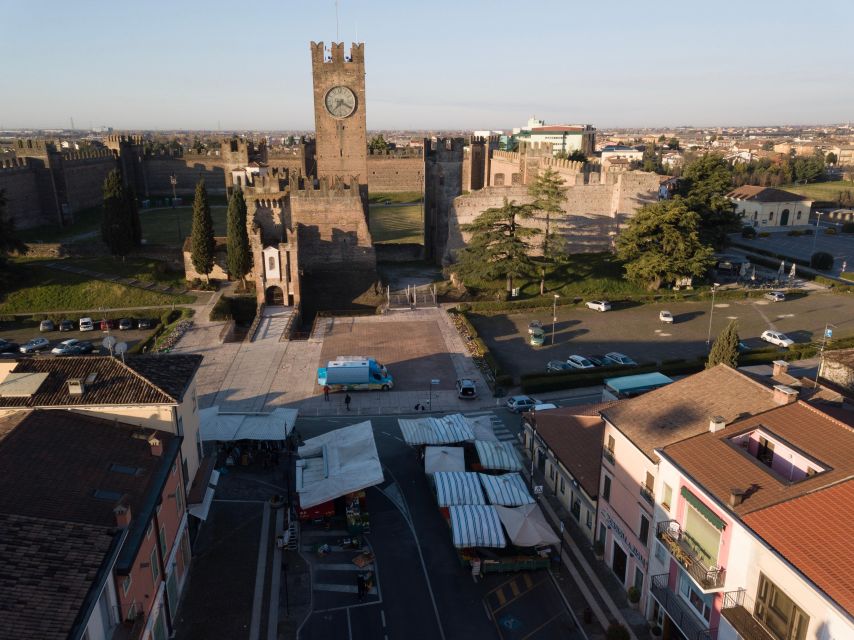
The old market is the most distinctive part of the outing, but it depends on the day. Villafranca’s market day is Wednesday. On that day, you walk among the market stalls and select local products for the meal.
I like this approach because the ingredients are not treated as an afterthought. You see what is available, make choices with the chef, and then use those products in the kitchen. Seasonal vegetables may become part of filled tortelli, for example. That creates a direct link between what you see outdoors and what reaches your plate later.
On other days, the chef takes participants to selected local shops instead. You still choose products together, but the market atmosphere is not part of the plan. If the market is a major reason you are interested, Wednesday is the clear choice.
The information does not give a precise route through the stalls or name particular vendors. That is worth understanding. This is a food-shopping walk tied to the cooking lesson, not a long guided market tour with a detailed cultural lecture.
Inside the Venetian kitchen by the castle
After shopping, you move only a short distance to a typical Venetian kitchen with a garden and a view toward the castle. The setting sounds more personal than a standard cooking school, and it suits the social character of the activity.
The class is taught in Italian and English. The small group limit of 10 matters here. Pasta making involves shared work, timing, and plenty of questions. A group this size should feel more manageable than a large class, although the exact number on your date may be smaller or close to the limit.
The cooking is led by a chef who explains how to use the available food in different ways. The strongest praise focuses on the chef’s attentiveness, preparation, and willingness to explain. One Italian participant particularly valued the practical advice about cooking and using ingredients in several ways. A German participant also appreciated learning many useful things, while a Brazilian participant found the chef very attentive.
That gives you a good idea of the teaching style. Expect instruction and correction, not just a recipe card. You will likely learn small techniques that can help at home, especially if you are not already comfortable working with fresh pasta.
Kneading dough by hand
The basic pasta dough begins with eggs and flour. You knead it by hand, following the same broad method Italian grandmothers traditionally used.
The appeal is simple: you feel the dough change as it comes together. A machine can save time, but hand-kneading helps you understand texture and consistency. The experience is built around that physical work, so do not book it if you only want to sit back and taste prepared food.
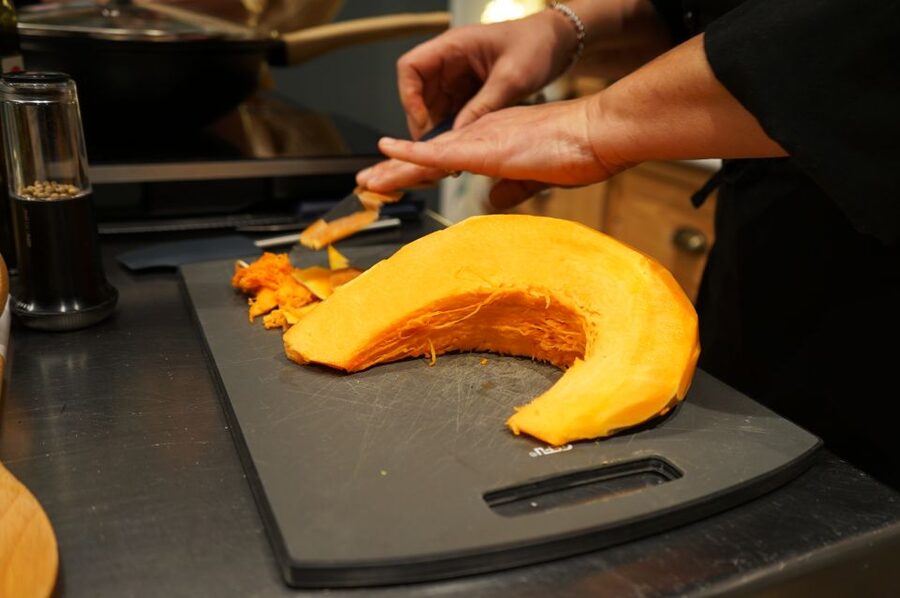
The activity includes more than one pasta shape. You prepare the famous Tortellini Nodo d’amore, along with other local options such as pappardelle or tortelli filled with seasonal vegetables from the market.
Tortellini Nodo d’amore means knot of love. The name gives the pasta a local identity, and shaping it makes the lesson more memorable than preparing ordinary noodles alone. Pappardelle offers a different task, with broad ribbons instead of small filled pieces. Vegetable tortelli bring the market ingredients into the center of the meal.
The exact combination may depend on the season and the products available that day. That is a strength if you enjoy flexible, local cooking. It also means you should not expect a fixed menu every time.
Same place, a different set of stalls:
- Cooking Class and Lunch at a Tuscan Farmhouse with Local Market Tour from Florence
★ 5.0 · 4,831 reviews - Rome: Colosseum, Roman Forum & Trajan’s Market Exterior Tour
★ 4.3 · 2,038 reviews - Taste of Testaccio: Special 15 Year Anniversary Edition
★ 5.0 · 1,658 reviews - Small Group Cooking Class & Market Food Tour in Florence
★ 5.0 · 1,574 reviews
Tiramisu finishes the cooking lesson
The dessert is tiramisu, one of Italy’s best-known favorites. Making it yourself gives the class a complete meal structure: fresh pasta for the main course and a familiar Italian dessert to finish.
The supplied details do not specify the exact tiramisu method or ingredients. You should therefore expect a practical preparation lesson rather than a specialist pastry course. Still, including dessert adds value, especially if you want to return home with more than one recipe to repeat.
The menu also creates a sensible rhythm. Pasta dough needs time and attention, while tiramisu gives you a separate task before the final meal. The cooking is not limited to one bowl of dough and a quick tasting.
Eating your own food with Veronese wine
Once the food is ready, you eat what you have prepared in good company. The meal is paired with renowned Veronese wines, making the final stage more than a simple sampling of your work.
This is where the experience earns much of its social appeal. You cook together, then share the result at the same table. If you are traveling alone, a small cooking group can be an easier way to meet people than a formal sightseeing tour. If you are traveling with family or friends, the shared work gives everyone a role.
Alcohol is part of the experience, so this is not suitable if you avoid wine for personal or religious reasons. Alcohol and drugs are not allowed outside the planned wine tasting context. The activity information does not specify the wine labels, number of pours, or whether alternatives are available, so ask the host if that matters to you.
The wine pairing also helps explain the Veronese setting. You are not simply making generic Italian food in a classroom. The meal is connected to local products and regional wine, even though the supplied details do not name individual bottles or vineyards.
What the four-hour schedule means for you
Four hours sounds generous, but the time has a job to do. The experience includes:
- Meeting the chef at the castle
- Walking through the Wednesday market, or visiting selected local shops on other days
- Choosing products
- Moving to the nearby kitchen
- Kneading and shaping pasta
- Preparing tortellini, pappardelle, or vegetable tortelli
- Making tiramisu
- Eating the finished dishes with wine
That schedule explains why this is best treated as a half-day activity. Do not place a timed museum reservation immediately afterward. The experience needs room for the cooking pace, especially if the group asks questions or works through several pasta shapes.
The activity is offered in Italian and English. If you speak neither language, this is not the right choice based on the information provided. If you speak English, the language option should make the instructions accessible, though pasta-making still requires watching, listening, and doing.
Value, group size, and the one service warning
A price was not provided here, so I cannot judge the exact cost. I would assess value by comparing the full package, not just the time at the stove. You are paying for a guided food-shopping experience, instruction, ingredients, a meal, wine, and a small group setting.
That can be good value for you if you want a local food activity that fills half a day. It is less compelling if your only goal is to learn one pasta shape as cheaply as possible. A shorter class may suit you better in that case, while this experience makes sense for someone who wants shopping, cooking, dessert, and a shared meal in one booking.
The group limit of 10 is another useful part of the value. A small class gives the chef a better chance to watch your dough and answer questions. The reviews also support the teaching quality. Several participants praised the chef’s kindness and attention, with particularly strong comments about useful cooking advice.
There is one clear service warning. One participant from the United States received no confirmation until about an hour before the morning start and found the company unhelpful when trying to make arrangements. That does not erase the otherwise positive feedback, but it means you should monitor your email and booking messages closely.
If your confirmation is late or unclear, contact the host as soon as possible using the details supplied after booking. Do not wait until the morning of the class if you need help with the meeting point.
Who will enjoy this most
I would choose this experience if you like food, small groups, and active participation. It suits you especially well if you want to learn techniques you can repeat at home, rather than simply eat a restaurant meal.
It is also a good match for:
- Couples who want a shared activity
- Families with older children who can take part in kneading and shaping
- Solo visitors who enjoy meeting people around a table
- Home cooks curious about filled pasta
- Visitors who can schedule the experience on a Wednesday
- Anyone interested in pairing regional food with local wine
You may want to skip it if you dislike handling food, want a strict fixed menu, or need a guaranteed central Verona meeting point. The experience also requires enough time for a relaxed half day, so it does not fit well beside a packed sightseeing schedule.
Booking advice for a smoother day
Wednesday is the most important choice. Pick it if the old market is a central part of your plan. On another day, you will shop in selected local stores with the chef, which may still be useful but gives you a different feel.
Before booking, confirm the start time and meeting instructions. The activity offers free cancellation up to 24 hours before the start for a full refund, and you can reserve now and pay later. Those terms help if your Verona plans are still shifting, but they do not replace checking the practical details once your place is confirmed.
The provider is Verona In Tour. The activity has a rating of 4 from four reviews, with three five-star ratings and one one-star rating. That split tells me the food lesson itself has been warmly received, while communication before the event deserves care.
Should you book this pasta and market experience?
Book it if you want a hands-on food morning or afternoon with a clear local setting. The market shopping, castle-side kitchen, handmade pasta, tiramisu, and Veronese wine make a fuller experience than a basic cooking demonstration.
I would give Wednesday priority, arrive with your meeting details saved, and allow the entire four hours without another appointment pressing you. If you value practical instruction, the chef’s attentive teaching is the strongest reason to choose it. If you need flawless advance communication or prefer a highly predictable menu, think twice and confirm everything before the cancellation deadline.
FAQ
Where does the experience meet?
You meet the chef in Villafranca, in front of the Scaliger Castle. The supplied coordinates are 45.3514404296875, 10.846451759338379.
How long does the experience last?
The experience lasts four hours.
Is the old market visited every day?
No. Villafranca’s market day is Wednesday. On other days, you choose products with the chef in selected local shops.
What languages are available?
The experience is offered in Italian and English.
How many people can join the group?
The group is limited to 10 participants.
What pasta will I make?
You knead dough by hand and prepare Tortellini Nodo d’amore. Depending on the products available, you may also make pappardelle or tortelli filled with seasonal vegetables.
Is tiramisu included?
Yes. You prepare tiramisu during the cooking lesson and eat the food you make afterward.
Is wine included?
The meal is paired with local Veronese wines.
Can I cancel for a refund?
You can cancel up to 24 hours in advance for a full refund. You can also reserve now and pay later.
Just added around Italy
- Cesarine: Market Tour & Home Cooking Class in Catania★ 4.0 · 6 reviews
- Small Group Market tour and Dining Experience at a Cesarina’s home in Brindisi★ 4.5 · 6 reviews
- Small Group Market tour and Cooking class in Brindisi★ 4.5 · 8 reviews
- Cesarine: Market Tour & Cooking Class at Local’s Home in Bologna★ 5.0 · 19 reviews
- One day tour Christmas markets Innsbruck – Bressanone – Vipiteno★ 4.5 · 11 reviews
- Private Market Tour and Cooking Class in Bologna with Giovanna C★ 5.0 · 20 reviews
- Food markets tour with a local!★ 4.5 · 39 reviews
- Cesarine: Market Tour & Home Cooking Class in Bari★ 5.0 · 5 reviews
Market Tours, compared.
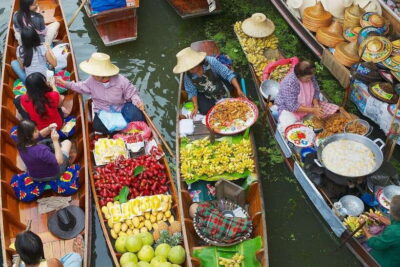
Damnoen Saduak Market and Maeklong Railway Market
Read our review →
The Old Siam: Damnoen Saduak and Maeklong Railway Market
Read our review →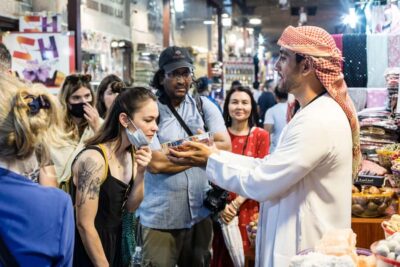
Old Town, Creek, Museums, Souks, & Street Food Tour
Read our review →Train Market & Floating Market with Boat Ride
Read our review →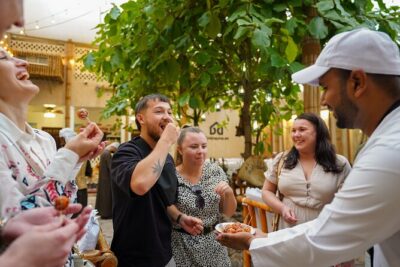
Old Town, Souks, Street Food, Guided Tour & Abra Ride
Read our review →
Ayutthaya & Ayothaya Floating Market Day Trip
Read our review →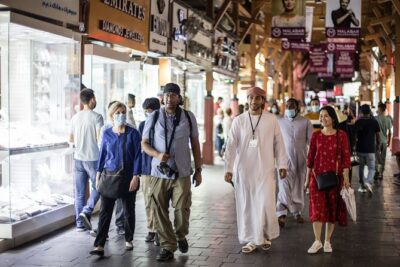
Frame Tickets, Creek, Souks & Blue Mosque Guided Tour
Read our review →
Hanoi Cooking Class: Culture, Local Market & Meaning CSR Impact
Read our review →Browse the lists this tour appears in