Review · INDIA
Agra: Street Food Tour with Spice Market on Tuk-Tuk Ride
Come hungry, leave curious. This three-hour Agra food tour combines street snacks with Old Agra sights, using a private tuk-tuk and traditional rickshaw to move between food stops, temples, markets, and Jama Masjid. At $16 per person, it offers a lot for the price, especially if you want more than a restaurant meal.
I like the personal attention and the chance to taste foods such as pani puri, samosa, jalebi, lassi, petha, and chole bhature in the places where locals buy them. I also like that guides such as Amir and Shubham have helped visitors feel comfortable in crowded streets. The main drawback is that the food portion depends on the option you select, and the tour may include shopping stops, such as a marble or embroidery workshop, unless you clearly say you do not want them.
Key points before you book
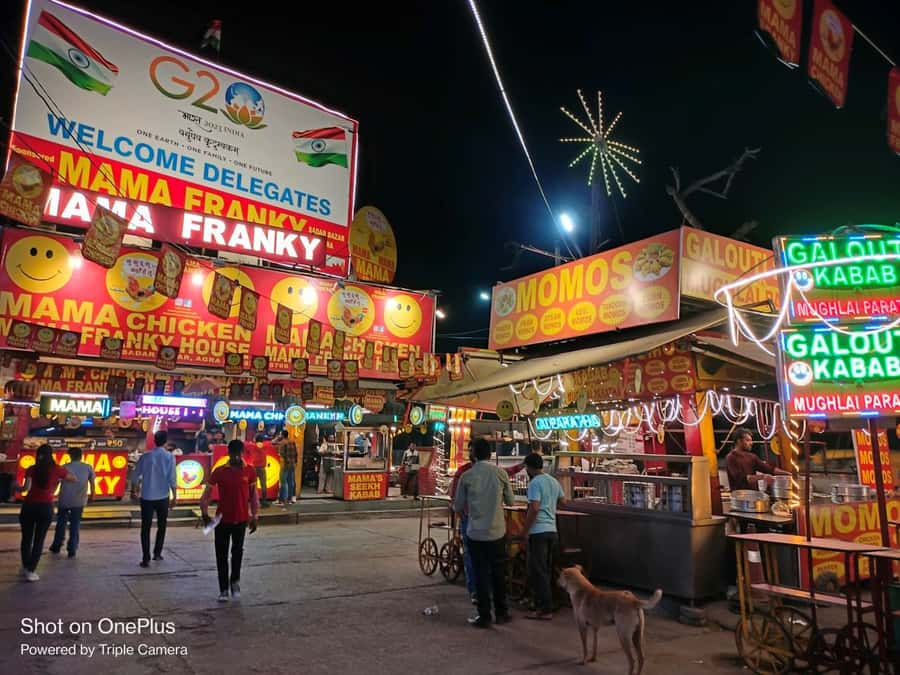
- Three hours in Old Agra: You move between food lanes, religious sites, markets, and the spice market rather than sitting in one restaurant.
- Pickup between 3:00 PM and 6:00 PM: The flexible start makes this useful after sightseeing at the Taj Mahal or Agra Fort.
- Private tuk-tuk transport: Hotel pickup and return are included, along with a traditional rickshaw ride during the outing.
- A long tasting list: Expect possible samples of pani puri, aloo chaat, aloo tikki, pav bhaji, vada pav, samosa, kachori, jalebi, lassi, milk cake, and petha.
- Guides matter here: Amir is praised for calm, careful guidance and good food choices, while Shubham has combined food tasting with an Old Agra walking tour.
- Not suited to limited mobility: Much of the experience takes place on foot in busy streets, with uneven movement in and out of rickshaws.
Starting your afternoon in Agra
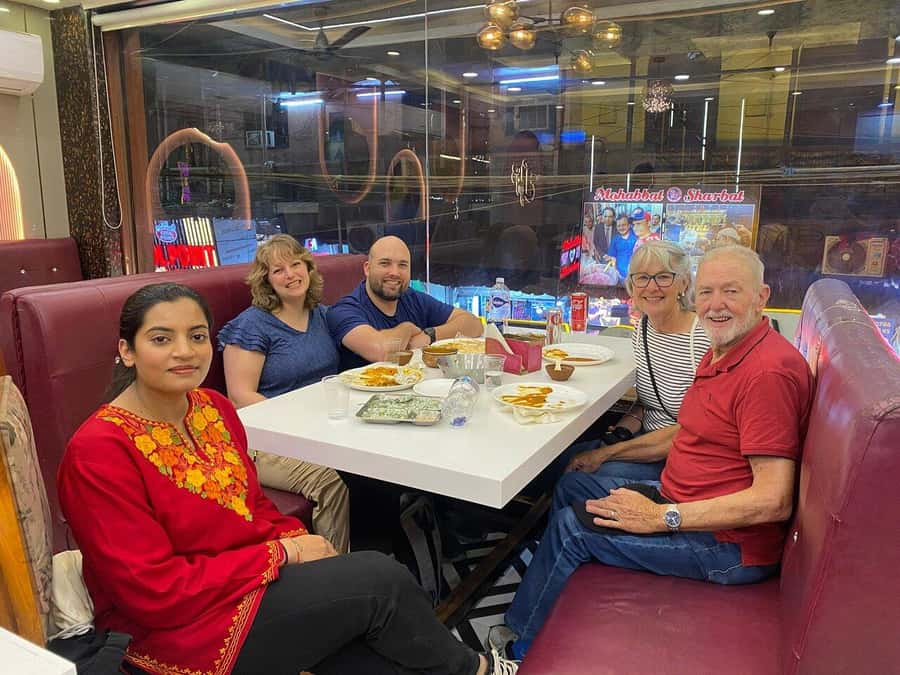
Your guide and private tuk-tuk collect you from your chosen location in Agra. You can select a start time from 3:00 PM to 6:00 PM, so this works well as an afternoon-to-evening activity. If your day already includes the Taj Mahal or Agra Fort, a later departure lets you eat after the major monuments rather than rushing through lunch.
The pickup arrangement has also shown some flexibility. When one visitor had a delayed flight, the tour time was changed without fuss. That is useful in Agra, where train and flight delays can easily disrupt a tightly planned day.
The tour lasts about three hours, but it is not a three-hour restaurant sitting. You will walk through sections of Old Agra, stop at food stalls, ride in a tuk-tuk, and use a traditional rickshaw. Wear comfortable shoes and expect the pace to change often.
The city streets can be crowded, noisy, and difficult to cross. That is part of the setting, but it can also feel tiring if you prefer a quiet, highly organized food tour. A guide who knows the lanes makes a real difference. Amir, in particular, has been praised for helping visitors feel safe while walking through the market.
More Spice Market and Bazaar Tours in India
- Old Delhi Food-Spice Market-Temples Tour Soon Featured on NETFLIX
★ 5.0 · 304 reviews - Old Delhi Odyssey: A Tour of Religion, Spice Market, & Best Food
★ 5.0 · 284 reviews - Agra: Street Food Walking Tour, Spice Market, & Tuk-tuk Ride
★ 4.9 · 102 reviews
Shri Mankameshwar Mandir and the sacred side of the old city
One of the early stops is Shri Mankameshwar Mandir, an ancient Hindu temple devoted to Lord Shiva. Inside, you will find a statue and idols connected with the deity, who is regarded in Hindu belief as the destroyer of evil.
This stop gives the food walk some useful context. Agra is not only a city of grand Mughal buildings and Taj Mahal viewpoints. Its older streets also revolve around temples, mosques, small shops, food stalls, and daily religious life.
Dress and behavior should be respectful at the temple. The information provided does not specify a formal dress code, but modest clothing and a quiet manner are sensible choices at any place of worship. The temple is a short cultural stop rather than the main focus of the afternoon, so do not book this outing expecting a detailed religious tour.
Jama Masjid and the Mughal connection
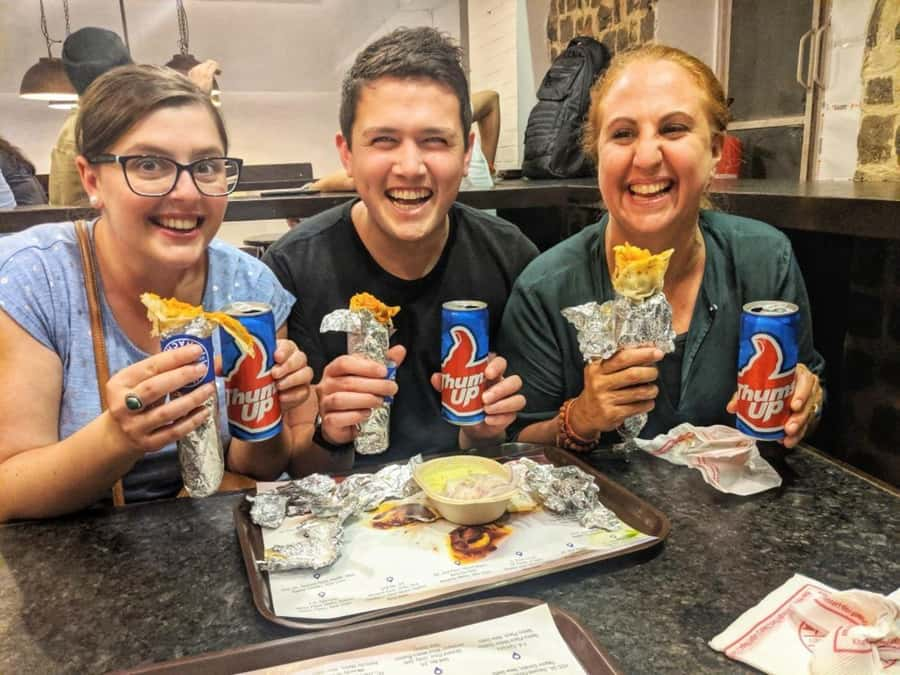
The tour also visits Jama Masjid, built by Jahanara Begum, the daughter of Shah Jahan, during the 17th century. Shah Jahan is the Mughal ruler associated with the Taj Mahal, so the mosque connects your food walk with the better-known monuments of Agra.
Jama Masjid helps explain why the surrounding market feels layered. You are not simply walking through a modern shopping street. The old quarter has religious buildings, food traditions, workshops, and trade routes packed close together.
You may receive extra commentary about Agra Fort and the Taj Mahal while riding between stops. One guide used the travel time to explain more about the city and its landmarks. That is a useful bonus, though the main purpose here remains food rather than a full monument tour.
Chaat Gali: where the tasting really begins
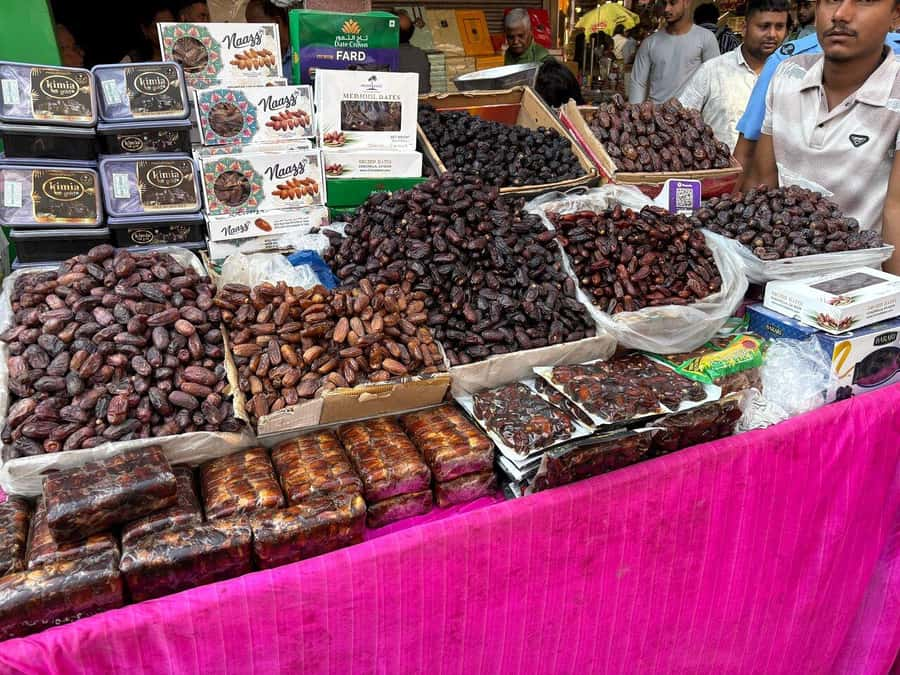
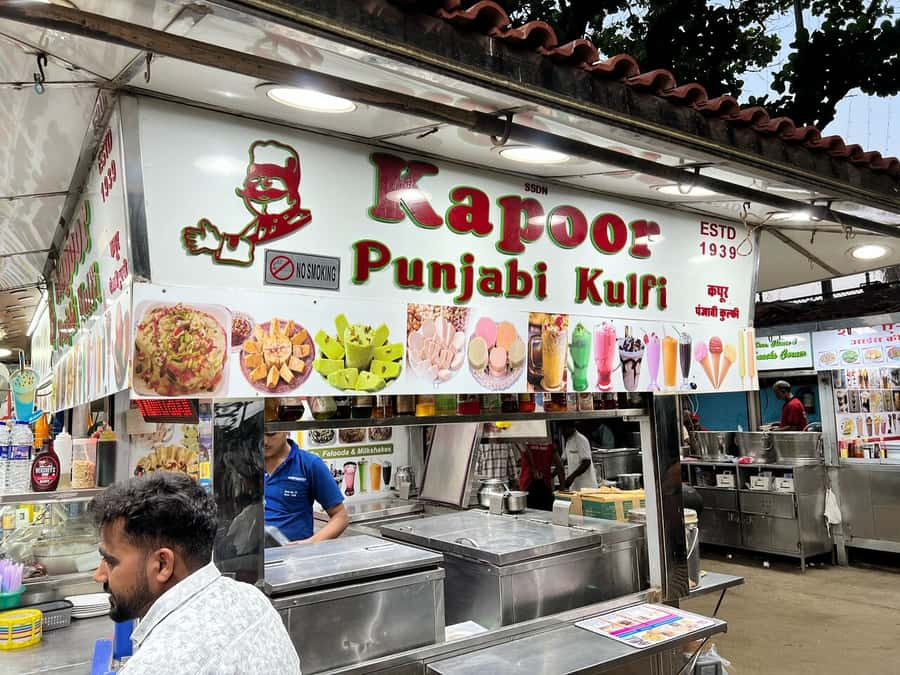
The central food stop is the famous chaat gali, a street lined with vendors selling chaat and other quick snacks. Chaat is not one dish but a broad family of savory foods, often mixing fried pieces, potatoes, chickpeas, onions, chutneys, yogurt, and spices.
Pani puri is one of the likely highlights. Each small, hollow fried shell is filled with ingredients such as potato, onion, and chickpeas, then served with flavored water and sauces. You eat it quickly, often in one bite. It can be messy, which is part of the fun, so keep that napkin handy.
Aloo chaat and aloo tikki offer more potato-based flavors, usually with sauces and seasonings. Pav bhaji is a soft vegetable mixture served with a buttered bun. Vada pav is sometimes described as an Indian burger, with a fried potato mixture, chutneys, and a bun.
Your guide can adjust the food to your comfort level and appetite. That matters because a first taste of Indian street food can range from familiar and mild to sharply sour, spicy, sweet, or hot. Tell your guide early if you want less spice, no dairy, vegetarian food, or a more adventurous tasting.
More Street Food Market Tours in India
- Mumbai: Street Food and Night Markets Tour
★ 4.9 · 719 reviews - Jaipur Bazaar & Food Walking Tour
★ 5.0 · 281 reviews - Mumbai Street Food & Night Markets
★ 5.0 · 225 reviews - Mumbai Street Food and Evening Bazaar Tour
★ 5.0 · 172 reviews
Samosas, kachori, and the sweet finish
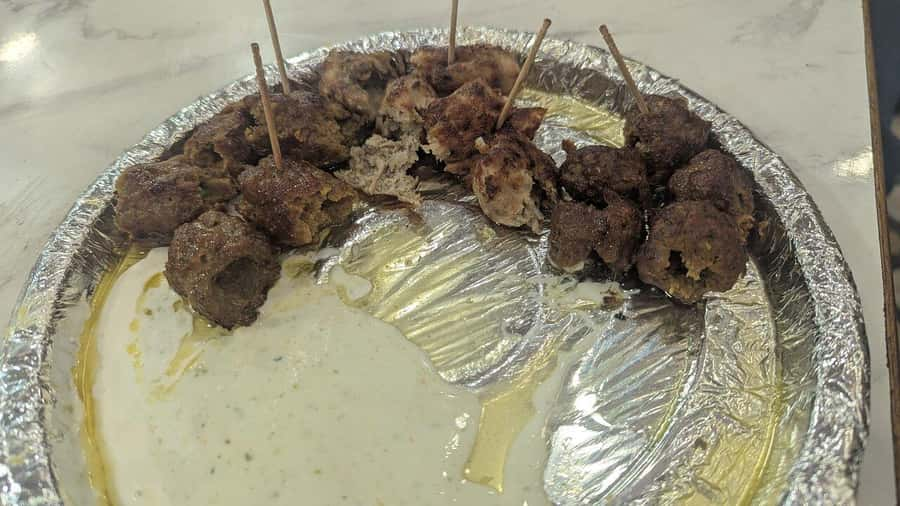
Savory pastries form another part of the route. Samosas are the familiar triangular pastries with a seasoned filling, while kachori is another fried snack with a crisp shell and spiced center. These are filling foods, so pace yourself at the beginning.
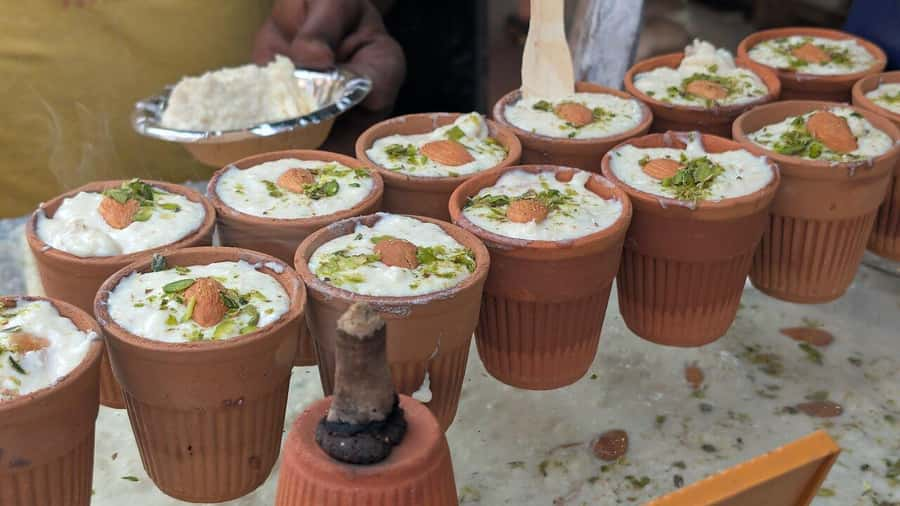
The sweets are just as important. Jalebi is made from coils of fried batter soaked in syrup, giving it a crisp outside and a sticky, sugary center. Petha is closely linked with Agra and usually has a soft, translucent texture. You may also try milk cake or other local desserts.
Lassi gives you a cool, creamy break from the spices. One particularly unusual tasting described by a visitor was ice cream made from buffalo milk. That kind of item shows why a local guide can be more useful than simply following a list of popular dishes. You may hear what is fresh, what the vendor is known for, and which flavor is worth saving room for.
I recommend arriving very hungry. The snacks add up quickly, and a full dinner beforehand will limit how much you can try. At the same time, do not force yourself to sample everything. The point is to enjoy the food, not to win a fried-food endurance contest.
The spice market by rickshaw
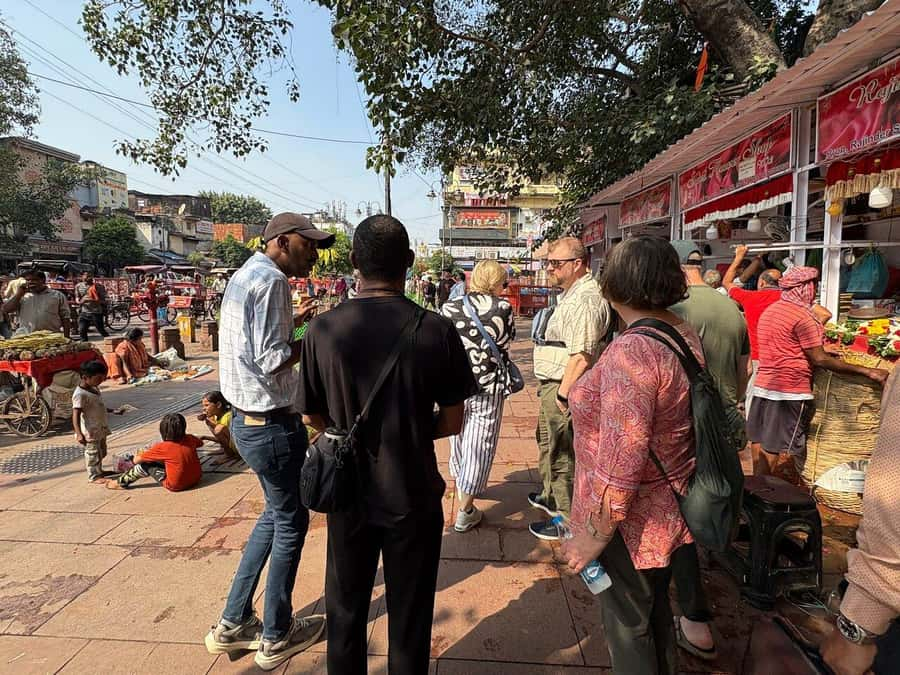
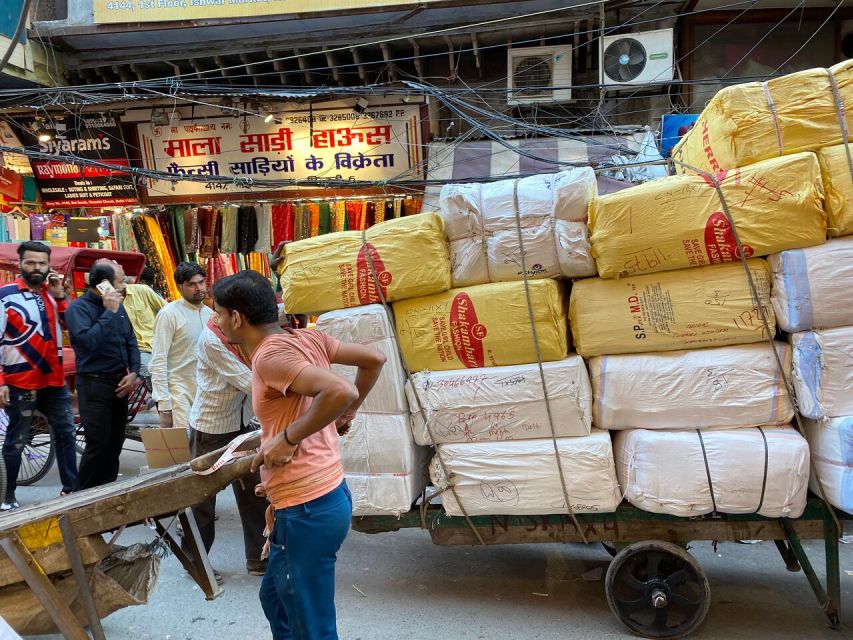
The ride to the spice market is part of the appeal. Rather than seeing the market only as a pedestrian, you get a moving view of shopfronts, traffic, street activity, and the tight rhythm of Old Agra.
The spice market is also a chance to learn how spices are connected with cooking, medicine, and health traditions. The provided details do not promise a formal medical consultation, so treat this as general cultural information rather than personal health advice.
A traditional rickshaw ride gives you a different view from walking. You can watch the street scene pass by while your guide points out details. The ride is short enough to remain interesting, but not so long that it replaces the walking and tasting.
The wording around transport can be confusing because the experience includes both a private tuk-tuk and a traditional rickshaw. In practical terms, the tuk-tuk handles hotel transfers and some movement around the city, while the rickshaw is part of the market experience. Confirm the exact arrangement when you book if the vehicle type matters to you.
Shopping stops and how to handle them
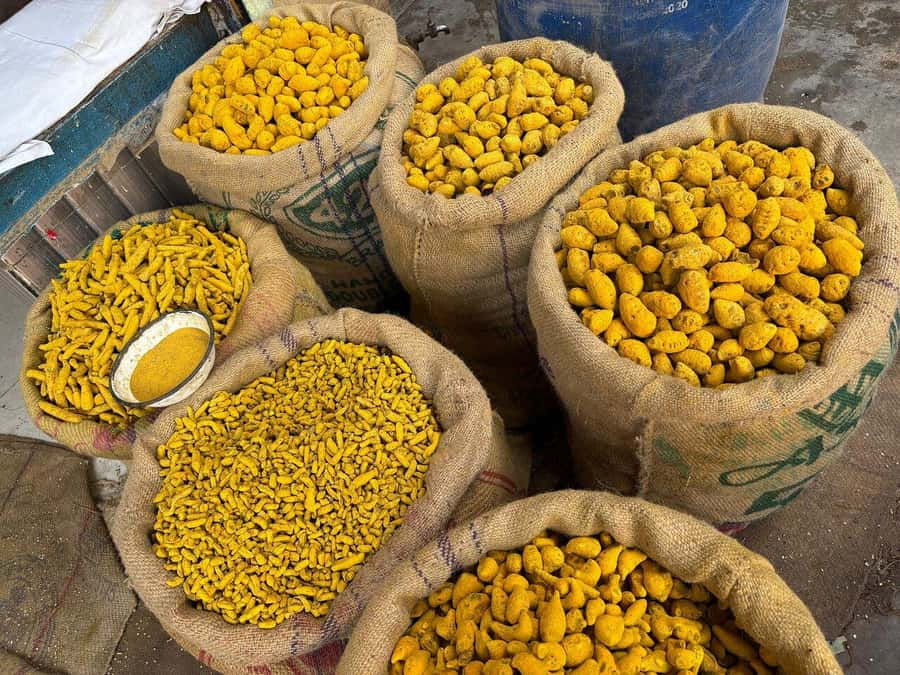
Some versions of the afternoon have included a marble workshop or an embroidery and art shop. These can be worthwhile if you want to see local craftsmanship. One visitor who was initially unsure about the marble stop found it interesting and did not encounter hard selling.
Still, shopping is not the same as street food. If you do not want to browse or buy anything, say so plainly at the start. A family group specifically asked not to be taken shopping and was able to focus on the food instead.
This is one area where clear communication improves the tour. Tell your guide if you want the full food route, more history, no shopping, or extra time in the market. The tour is private, so your preferences have more weight than they would on a large group outing.
Guide quality and personal attention
The guide is the most important part of this experience. Food stalls are easy to find in Agra, but choosing what to eat, ordering smoothly, understanding the ingredients, and moving safely through crowded streets are harder without local help.
Amir receives especially strong praise for his friendly manner, clear explanations, and attention to safety. He has taken visitors to vendors he knows, which can reduce waiting time and make the ordering process easier. He has also helped with extra dinner suggestions, including redirecting a tuk-tuk to a restaurant called Salt Bar when asked for a recommendation.
Shubham has also handled the tour well, combining the scheduled food tasting with a walk through the Old Market and a visit to Jama Masjid. His route included pani puri, chole bhature, samosa with sauces, milk cake, lassi, and other items.
Because this is a private tour, your experience may depend on the assigned guide. The strong guide feedback is a good sign, but it is still sensible to explain your food preferences and expectations before setting off.
What the $16 price really covers
At $16 per person, this is a good-value experience if your selected option includes the food. The price covers hotel pickup and return by private tuk-tuk, a live guide, a traditional rickshaw ride, bottled mineral water, and a napkin. Street snacks and sweets are included when that option is selected, and a non-vegetarian option is also available when selected.
The value comes from combining several small services. A private transfer alone would cost something, while food tastings, transport through the old quarter, and a guide add more. You also avoid the trial and error of ordering unfamiliar items on your own.
Check the food option carefully before paying. The base price and add-ons may differ depending on whether you choose snacks and sweets or a non-vegetarian tasting. Personal purchases are not included, so set aside extra money if you want to buy sweets, handicrafts, spices, or artwork.
At this price, I would not expect a polished dining room or a long sit-down meal. You are paying for access, movement, explanation, and a broad sample of local food. For that purpose, the cost is modest.
Who should book this food tour?
I would recommend it to first-time visitors who want an easy introduction to Agra’s street food. It suits people who enjoy trying several small portions rather than committing to one large meal.
It is also a good match for solo visitors and couples who want a private guide, families who need help choosing food, and anyone nervous about ordering from busy market stalls. The flexible pickup time is helpful if Agra is only one stop on a packed itinerary.
You may want another option if you have serious mobility limits, since the tour is not suitable for people with mobility impairments. It also may not suit you if you dislike spicy food, fried snacks, crowds, religious-site visits, or brief shopping stops.
The tour is available with English or Spanish guidance. Canceling at least 24 hours ahead allows a full refund, and you can reserve now and pay later, which helps if your Agra plans are still shifting.
Should you book the Agra street food tour?
Book it if you want to taste many Agra specialties, see Old Agra from a tuk-tuk and rickshaw, and have a guide manage the busy parts. The strongest reasons are the personal format, the wide food range, and the care shown by guides such as Amir and Shubham.
Before booking, confirm which food option you want and state clearly if you want no shopping stops. Arrive hungry, wear comfortable shoes, and leave room for both jalebi and petha. If you do that, this $16 outing offers a practical and flavorful look at Agra beyond the Taj Mahal.
FAQ
How long is the Agra street food tour?
The tour lasts three hours.
What time can the tour start?
You can select a pickup time between 3:00 PM and 6:00 PM.
Where does pickup take place?
Pickup is available from any desired location in Agra, with return to your hotel at the end.
Is transportation included?
Yes. Hotel pickup and drop-off by private tuk-tuk are included, along with a traditional rickshaw ride during the tour.
What foods can I try?
Possible tastings include pani puri, aloo chaat, aloo tikki, pav bhaji, vada pav, samosa, kachori, jalebi, petha, lassi, milk cake, and chole bhature.
Are food and sweets included in the price?
Street food snacks and sweets are included if you select that option. A non-vegetarian option is also available if selected.
Is the tour private?
Yes. The experience includes a private live tour guide and is designed to provide personal attention.
Which languages are available?
The tour is available in English and Spanish.
Is the tour suitable for people with mobility impairments?
No. It is listed as unsuitable for people with mobility impairments. Comfortable shoes are recommended.
More Tuk-Tuk Rides in India
- Jaipur Sightseeing by Tuk-Tuk: Temples, Palaces & Markets
★ 5.0 · 4 reviews - Bangkok by Night: Temples, Markets and Food Tuk-Tuk Tour
★ 5.0 · 3,752 reviews - Bangkok: Markets, Temples and Food Night Tour by Tuk Tuk
★ 4.9 · 2,371 reviews - Authentic Thai Cooking with the Largest market visit &TukTuk ride
★ 5.0 · 350 reviews
More Bike and Tuk-Tuk Market Tours in India
- Jaipur Tuk-Tuk Tour with Flower Market Visit
★ 5.0 · 124 reviews - Jaipur Tour by Tuk-Tuk or Car with Flower Market
★ 5.0 · 120 reviews - Agra: Sadar Bazar Food Market Night Walking Tour by Tuk-Tuk
★ 4.9 · 25 reviews - Agra: Street Food and Walk Tour with Spice Market by Tuk-Tuk
★ 5.0 · 18 reviews
Just added around India
- Shopping and Bazaar Trail in Bangalore★ 4.5 · 5 reviews
- Bangalore Walking Tours – Flower Market, PETE and more★ 5.0 · 5 reviews
- KR Market Photo Walk★ 5.0 · 12 reviews
- Bangalore: Walk in Historic Ulsoor – Landmarks, Bazaar & Culture★ 5.0 · 9 reviews
- Lalbagh+Bull Temple+Tipu Palace+Market+Lunch=Bangalore City Tour★ 5.0 · 9 reviews
- Experience Bangalore Evening City Walk Tour and Market Visit★ 5.0 · 9 reviews
- Bangalore Evening Food Street Walk and Market Visit★ 5.0 · 32 reviews
- Private Walking Tour into the Oldest Local Market in Bengaluru★ 5.0 · 5 reviews
Street Food Market Tours, compared.
Old Town, Creek, Museums, Souks, & Street Food Tour
Read our review →
Old Town, Souks, Street Food, Guided Tour & Abra Ride
Read our review →

London Bridge & Borough Market Food Tour with 7 Authentic Dishes
Read our review →
Old Town, Souks, Street Food, Guided Tour & Abra Ride
Read our review →
Small Group Cooking Class & Market Food Tour in Florence
Read our review →