Review · EGYPT
Private Tour: Giza Pyramids, Sphinx, Egyptian Museum, Khan el-Khalili Bazaar
Cairo’s greatest sights fit into one busy day. This private tour brings together the Giza pyramids and Sphinx, the Egyptian Museum, and Khan el-Khalili with an Egyptologist guide, private air-conditioned transport, hotel pickup, and room to adjust the day to your interests. I like the personal guide service and the chance to see Egypt’s ancient monuments without arranging several separate rides. I also like the free time built into the day, especially at the museum and bazaar.
The main drawback is the pace. Six to eight hours is enough for a strong first look, but not enough for a careful museum visit and a leisurely market wander. The optional papyrus shop can also be a sore point: some guides use it as a useful stop, while one poor experience involved pressure to buy and too little time at Khan el-Khalili.
Key points to know before booking
- A private guide makes the pyramids easier to understand: You get a personal Egyptologist rather than a large group and can ask for more time at the sites that matter most to you.
- The Great Pyramid entrance costs extra: You may enter one pyramid independently, but your guide cannot go inside with you.
- Tutankhamun is the museum highlight: The gold death mask, coffins, and funerary objects receive special attention, with additional time to look around alone.
- Khan el-Khalili gets about one hour: That is enough for a first taste of the lanes and shops, but not a full afternoon of browsing.
- Papyrus and shopping stops need clear boundaries: Tell your guide in advance how much time you want for shopping and how much you want at the major sights.
- The price is strongest for small groups: At $163.56 per person, the value improves when shared by a couple or family, since the vehicle and guide are private.
What this private Cairo day is really like
The day begins around 9 a.m. with pickup from a central Cairo or Giza hotel. You ride in a private, air-conditioned minivan with your guide and driver. Pickup from farther areas, including 6th of October, the New Administrative Capital, or Settlement, costs an additional 1,000 Egyptian pounds per car round trip.
The advertised duration is about six hours, though the actual day can run six to eight hours. That extra flexibility matters in Cairo, where traffic and time spent taking photographs can easily stretch the schedule. One person described a day running from 8 a.m. to 4 p.m., so confirm the pickup time and expected return when you book.
This is not a fixed group outing. You can tell the guide if you want more explanation at the pyramids, extra museum time, or a longer stop at the market. That freedom is one of the tour’s best features, but it only works if you speak up early. If you quietly follow along, you may get the guide’s preferred version of the day rather than your own.
The English-speaking Egyptologist is included in the price. Guides praised by name include Ahmet Achmed, Tarek, Mahmoud, Med, Fouad, Abdel, and Mohamed Basheer. That does not guarantee a particular guide, but it shows the experience can depend heavily on who is assigned. The strongest guide reports describe clear explanations, good pacing, friendly conversation, and helpful advice about avoiding tourist traps.
More Private Market Tours in Cairo
- Cairo 8 Hour Private Tour of Pyramids, Egyptian Museum and Bazaar
★ 5.0 · 2,931 reviews - Cairo: Private Pyramids, Museum & Bazaar Tour with Lunch
★ 4.6 · 744 reviews - Cairo: Local Markets & Khan el Khalili Private Shopping Tour
★ 4.6 · 614 reviews
Giza Plateau: three pyramids in one unforgettable stop
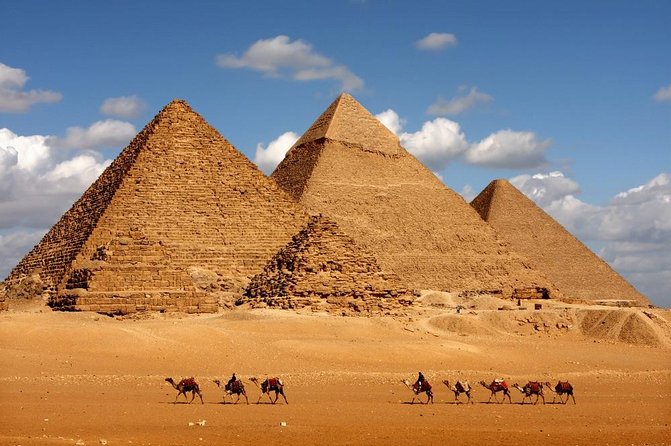
The first major visit is the Giza Plateau, where you see the pyramids of Cheops, Khafre, and Menkaure. They were built around 2,500 BC as royal burial monuments, and the guide’s role is to explain how the structures were made and why they mattered.
I find a private guide especially useful here because the scale of Giza can be confusing. From ground level, the pyramids can seem like three similar stone mountains. A good introduction helps you tell them apart and gives meaning to details you might otherwise miss.
The Great Pyramid of Cheops is the largest of the three. Khafre is often easy to recognize because part of its smooth outer casing remains near the top. Menkaure is smaller, but its size does not make it unimportant. The guide introduces all three before giving you time to look, take photographs, and decide if you want to enter one.
Entrance to the Great Pyramid costs extra, listed as $15 or 300 Egyptian pounds at the time of writing, with the warning that the price may change. Your guide cannot enter with you, so this is an independent experience inside narrow, empty chambers. I would not pay the extra fee simply because it is available. Choose it if you specifically want to experience the interior and are comfortable exploring without your guide.
Camel rides are included in the tour information, and one particularly pleased customer recommended adding the ride for photographs between Khufu and Menkaure. Clarify the exact camel ride arrangement before setting off, since the supplied details do not state its length or precise location.
The plateau can be hot, exposed, and tiring. You will spend time on foot, and the huge open spaces offer little shelter. The private vehicle helps because you are not trying to keep up with a large group, but this remains an active sightseeing day.
The Sphinx and the optional Solar Boat Museum
A short drive takes you to the city side of the plateau and the Great Sphinx. The human-headed lion is one of Egypt’s most recognizable monuments, but photographs often flatten its size and setting. Seeing the statue from ground level gives you a better sense of its position as a guardian near the pyramids.
Your guide explains the Sphinx and the mysteries attached to it, then gives you time for photographs. This is a short stop in the overall schedule, so say clearly if you want a slower look rather than a quick photo visit.
The Solar Boat Museum is an optional extra. It houses the funerary boat associated with Khufu, the ruler for whom the Great Pyramid was built. The wooden vessel was used to transport the pharaoh’s body and was later discovered in pieces and reassembled.
This museum can add an interesting layer to the pyramid visit, especially if ancient construction, burial customs, and royal ceremonies appeal to you. The tradeoff is time. If you add the boat museum, you may need to shorten the bazaar or museum visit unless your guide can extend the day.
Egyptian Museum: Tutankhamun in the spotlight
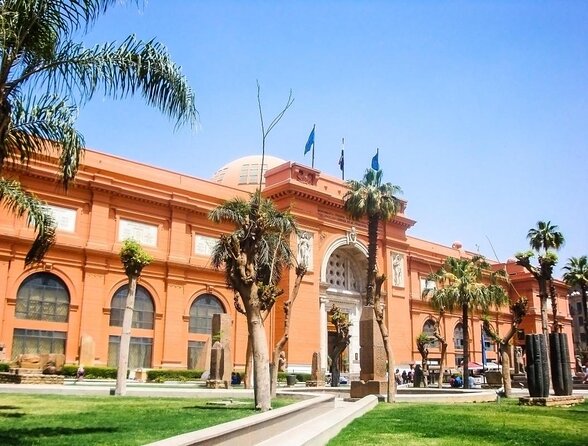
The Egyptian Museum is the second major stop and receives about an hour and a half in the stated schedule. Admission is included. The museum contains around 120,000 ancient objects in the general description, with another figure of 165,000 artifacts used in the stop details. Either way, the point is clear: this is a huge collection, and you cannot see it all in one visit.
Your guide begins with the most important objects, then gives you time to explore independently. Tutankhamun’s treasures are the central attraction. You see his gilded coffins, funerary objects, and famous gold death mask, while the guide explains the young king’s short and troubled reign.
This guided introduction is valuable because a large museum can become a tiring procession of statues, cases, and inscriptions. A good guide helps you focus on major pieces first. Several strong experiences specifically praised guides for showing key objects and allowing enough freedom to look around alone.
Still, one hour at the museum is not enough for serious museum lovers. One person called the visit fast but worthwhile, while also noting that the museum deserved much more time. I agree with that assessment. If ancient Egypt is your main reason for coming to Cairo, ask to spend longer here and accept less time elsewhere.
The private format helps, but it does not create extra hours. You need to choose your priority before the day begins. Ask for the major Tutankhamun pieces, then use your free time for the rooms that interest you most. If you want a complete museum visit, this tour is better treated as an introduction.
More Private Market Tours in Egypt
- Old Cairo and Khan El Khalili Bazaar: Private Half-Day Tour
★ 4.6 · 251 reviews - Cairo: Private Half-Day Local Market and Souq Tour
★ 4.1 · 167 reviews - Private Guided Tour to Giza Pyramids Egyptian Museum & Khan El Kahlili Bazaar
★ 5.0 · 147 reviews - Full-Day Giza Pyramids, Egyptian Museum and bazaar Private Tour
★ 5.0 · 95 reviews
Khan el-Khalili: one hour in Cairo’s old market
The final main stop is Khan el-Khalili, Cairo’s famous bazaar. You get about an hour to walk through the lanes, look at merchandise, and bargain for souvenirs such as spices, rugs, gold, and other goods.
The market is a useful contrast to the formal museum and quiet monumental spaces at Giza. Here, the experience is about movement, conversation, browsing, and deciding what is worth buying. You should not expect the same calm pace as the museum. The lanes can feel crowded and sales attention may be persistent.
One person felt the bazaar visit was too short and returned another day. That is useful advice. An hour works for a first look and a few purchases, but it does not give you time to explore every lane or compare many shops. If shopping is important to you, tell the guide before the day starts that Khan el-Khalili deserves a full hour, not a rushed half-hour.
Be ready to bargain. You can browse first, compare prices, and walk away if the asking price feels wrong. The tour does not promise a particular shop or a set of purchases, so keep your money and attention for items you genuinely want.
The papyrus stop and how to handle shopping pressure
A short visit to a papyrus institute may be added during the day. You can see how papyrus artwork is made, watch artists at work, and buy a painting if you wish. Some people considered the stop a pleasant bonus, especially when the group was ahead of schedule. Others felt uncomfortable because the shop was not expected and the sales pressure was strong.
This is the clearest caution in the entire experience. The papyrus visit is not one of the three main stops, and it can take time away from the Egyptian Museum or Khan el-Khalili. One poor experience described a guide trying to substitute an essence shop for the bazaar, followed by an argument to keep the market visit on the schedule.
You can avoid much of this problem by setting expectations at pickup. Say that you want the pyramids, museum, and Khan el-Khalili first. If you are interested in papyrus, agree on a short visit and make clear that buying is optional. If you do not want a shopping stop, say so plainly.
The tour may also include lunch if you select that upgrade. Lunch takes place between the sights, so it is convenient, but it adds another time commitment. One positive account described a clean small restaurant with good facilities and a pleasant view of the pyramids. Ask what is included in your chosen option, since lunch is not part of the basic price.
Is $163.56 per person good value?
At $163.56 per person, this is not the cheapest way to see Cairo. You are paying for a private vehicle, hotel pickup and drop-off, an English-speaking Egyptologist, and a day built around your group rather than a busload of strangers.
The value is strongest for couples, families, or small groups who want direct explanations and flexible timing. A private guide can save you from working out several rides between Giza, central Cairo, the museum, and the market. The guide can also help you focus on major objects and answer questions as they come up.
The price becomes less attractive if you mainly want transportation. It also feels weaker if the guide shortens the bazaar, pushes an unplanned shop, or rushes the museum. In that situation, you are paying for personal service without receiving the flexibility that justifies the cost.
Entrance to the Great Pyramid is extra, and the Solar Boat Museum also costs extra. Lunch is only included if you select that option. Other language guides require a 1,000 Egyptian pound supplement, while English is included. Check current fees before departure, since the listed pyramid price is specifically subject to change.
What the strongest guide service adds
The best part of this experience is not simply having a person walk beside you. It is having someone who can shape the day around your interests and give context at the right moment.
Mohamed Basheer was praised for balancing explanation with quiet time. Abdel was described as a former teacher who gave clear information. Ahmet Achmed was praised for energy and for adjusting the day around a group that had only one day in Cairo. Tarek was singled out as an excellent guide, while Mahmoud and Med were described as friendly and helpful.
These comments point to the ideal rhythm: a short explanation, time to look on your own, then answers when you have questions. That is much better than a nonstop lecture. When you meet your guide, tell them if you prefer history, architecture, photography, shopping, or a mix.
The guide cannot enter the pyramid with you, and the private format does not guarantee a perfect match. One strongly negative experience involved a guide who ignored requests and replaced major sights with preferred shops. I would treat guide communication as part of the booking decision, not an afterthought.
Who should book this tour?
I would choose this experience if you have one day in Cairo and want a practical first look at the city’s major sights. It suits people who value private transport, a personal Egyptologist, hotel pickup, and the ability to ask for changes.
It is also a good fit for first-time visitors who want help getting their bearings. Several strong experiences praised the sense of safety, the organized transport, and the ability to avoid crowds or focus on major pieces.
I would look elsewhere if you want a full day at the Egyptian Museum, a long visit to Khan el-Khalili, or complete control over every minute. Museum lovers may prefer a separate museum visit, while serious shoppers should return to the bazaar with more time.
You can cancel for a full refund if you do so at least 24 hours before the local start time. Changes or cancellations made within 24 hours are not accepted for a refund.
FAQ
Where does the tour start?
Pickup is offered from central Cairo or Giza hotels. The stated start time is 9 a.m.
How long does the tour last?
The tour is advertised as approximately six hours, but the private schedule can last six to eight hours.
Is transportation private?
Yes. Transportation is by private, air-conditioned minivan, with hotel pickup and drop-off included for central Cairo and Giza locations.
Is an Egyptologist guide included?
Yes. An expert, qualified Egyptologist guide is included. English is included in the listed price.
Can I enter one of the pyramids?
Yes. You receive free time to enter one pyramid, but the entrance fee is extra. Your guide is not permitted to accompany you inside.
How much does the Great Pyramid entrance cost?
The listed price is $15 or 300 Egyptian pounds, but it can change without notice.
Is the Egyptian Museum entrance included?
Yes. Admission to the Egyptian Museum is included.
How much time is spent at the Egyptian Museum?
The scheduled stop is about one hour and 30 minutes, including guided highlights and free time.
Is lunch included?
Lunch is included only if you select the lunch upgrade.
Is the Khan el-Khalili bazaar included?
Yes. The tour includes about one hour of free time at Khan el-Khalili. You can browse and bargain for items such as spices, rugs, gold, and other goods.
Is the papyrus institute visit required?
The tour information includes a short papyrus institute visit, where you can watch artwork being made and shop if you wish. Because some people found the shopping pressure unpleasant, confirm with your guide how much time you want to spend there.
Can the tour be canceled for a refund?
Yes. You can cancel at least 24 hours before the local start time for a full refund. Cancellations made less than 24 hours before the start time are not refundable.
Should you book it?
Book this tour if you want Cairo’s headline sights in one private day and value a guide who can explain what you are seeing. The pyramids, Sphinx, Tutankhamun’s treasures, and Khan el-Khalili make a powerful first visit, and the private vehicle removes much of the day’s transport hassle.
Before pickup, set three rules: protect your museum time, keep the bazaar on the schedule, and make any papyrus visit optional. With those expectations clear, the $163.56 price can be fair for a couple or small group seeking a guided introduction. If you want slow museum study or a relaxed market afternoon, split these sights across separate days instead.
More Spice Market and Bazaar Tours in Egypt
- Cairo Sightseeing Highlights Tour Visiting Egyptian Museum Citadel with Mohamed Ali Mosque and khan khalili Bazaar
★ 5.0 · 56 reviews - Day Tour Cairo Egyptian Museum Coptic Cairo and Khan El Khalili Bazaar from Giza
★ 5.0 · 46 reviews - CairoPrivate Felucca on the Nile River and Khan El Khalili Bazaar
★ 4.5 · 32 reviews - Private Cairo City Tour: Giza Pyramids, Egyptian Museum and Khan Khalili Bazaar
★ 4.5 · 30 reviews
More Spice Market and Bazaar Tours in Cairo
- Cairo VIP Guided Tour to Khan El-Khalili Market with Lunch
★ 5.0 · 431 reviews - Visiting Egyptian Museum Citadel and Old market of Khan Khalili
★ 4.5 · 141 reviews - Full Day Tour To Giza Pyramids Egyptian Museum and Khan Khalili Bazaar
★ 5.0 · 96 reviews - Full Day Tour to Giza Pyramids, Sphinx, Egyptian Museum, Khan el-Khalili Bazaar
★ 5.0 · 73 reviews
Just added around Cairo
- Cairo layover tour Giza pyramids Egyptian museum local bazaars Camel ride Lunch★ 4.5 · 2 reviews
- Private Tour Giza Pyramids ,Egyptian Museum and Local Market★ 5.0 · 3 reviews
- Private Walking Tour in ElMoez Street & Khan Elkhalili Market★ 5.0 · 15 reviews
- VIP guided Tour Khan El Kahili Market Private Tour and Shopping★ 5.0 · 4 reviews
- Unusual Tour To The Camel Market Of Birqash★ 5.0 · 2 reviews
- Private Cairo City Tour: Giza Pyramids, Egyptian Museum and Khan Khalili Bazaar★ 4.5 · 30 reviews
- Private tour to the Pharaonic Village and Khan El Khalili Market★ 4.5 · 9 reviews
- Shopping tour In Governmental Bazaars include guide’s advisor★ 5.0 · 8 reviews
Grand Bazaar & Spice Market Tours, compared.
Dubai Half-Day City Tour with Visit to Dubai Gold Souk
Read our review →
Local Markets & Khan el Khalili Private Shopping Tour
Read our review →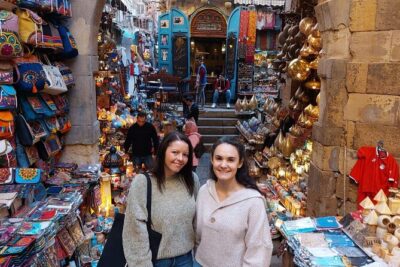
Cairo VIP Guided Tour to Khan El-Khalili Market with Lunch
Read our review →
Istanbul Grand Bazaar: From Rooftops to the Secret Passages
Read our review →
Old Delhi Food-Spice Market-Temples Tour Soon Featured on NETFLIX
Read our review →Old Delhi Odyssey: A Tour of Religion, Spice Market, & Best Food
Read our review →
Old Cairo and Khan El Khalili Bazaar: Private Half-Day Tour
Read our review →