
Review · TURKEY
Roman Aqueduct, Sehzade Mosques &Women’s Market
Istanbul has quieter stories to tell. This three-hour walk leaves Sultanahmet for residential Fatih, where I like the peaceful Şehzade Mosque and the chance to taste boza from a shop that has served it for 150 years. I also like the local Kurdish meal, especially the five-hour baked lamb known as buryan kebab. The main consideration is that lunch costs extra, and the tour involves steady walking plus tram travel.
The small group is limited to 10 people, which should make it easier to hear your English-speaking guide and ask questions. Guides Salih and Onder received especially warm praise for their care, historical explanations, and friendly manner. If you want Istanbul’s famous postcard sights, this is not the right three hours. If you want ordinary neighborhoods, quiet religious buildings, and food from eastern Turkey, it is a strong choice.
Key points at a glance
- A quiet Şehzade Mosque visit: See the 16th-century mosque built for a sultan’s son who died mysteriously, usually far from the crowds around Hagia Sophia and the Blue Mosque.
- Boza with 150 years of tradition: Try Istanbul’s thick, lightly fermented local drink at the same place that has served it for generations.
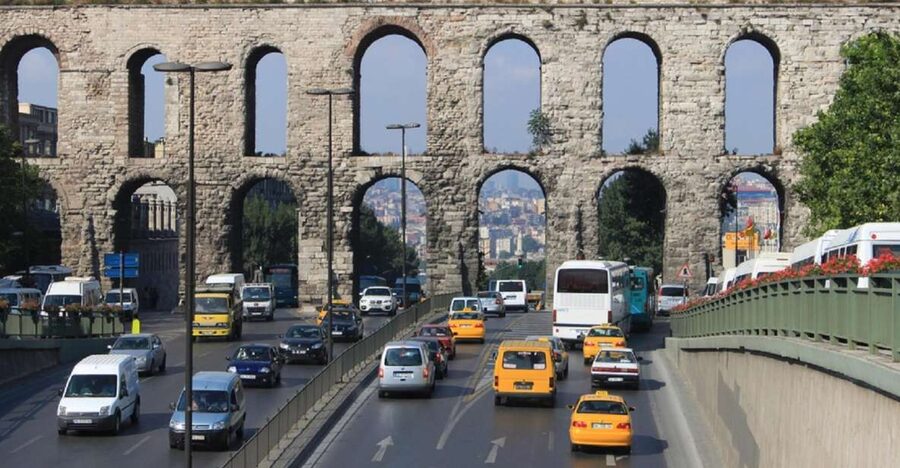
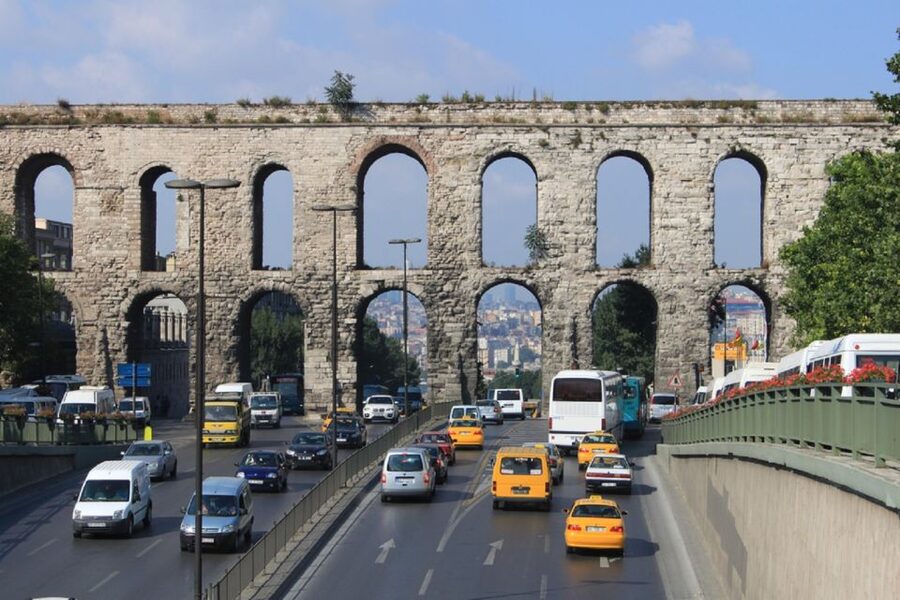
- Roman engineering in a residential district: Walk beneath the 6th-century aqueducts that once supplied the city with water.
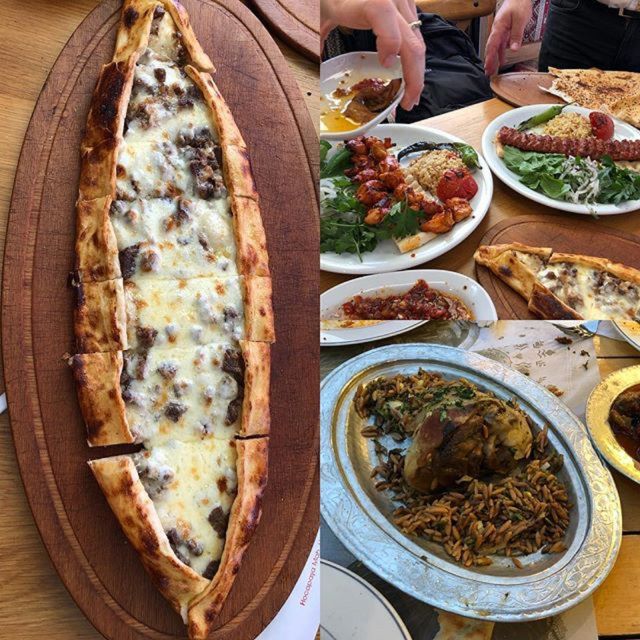
- A taste of Kurdish cuisine: Add lunch for roughly $10 to $15 and try buryan kebab, lamb cooked slowly in an underground clay oven.
- Fatih beyond the usual route: Visit the Zeyrek Mosque, former Pantokrator church complex, and walk through a neighborhood market selling food from eastern Turkey.
- Easy but active logistics: The tour includes tram tickets, but you will walk between stops and should wear comfortable shoes.
Why this three-hour route feels different
Most first visits to Istanbul stay close to Sultanahmet. That makes sense, since Hagia Sophia, the Blue Mosque, and the Topkapı Palace are all close together. But the city changes quickly once you travel toward Fatih.
This route takes you into residential streets and working neighborhoods. You see fewer tour groups, fewer souvenir stalls, and more of the daily city. I like that the tour does not treat Istanbul as a collection of grand monuments only. It connects mosques, waterworks, markets, drinks, and lunch into a picture of how people have lived here.
The tour costs $71 per person. That is not a budget walk, but the price includes a licensed English-speaking guide, professional guiding, boza, tram tickets to Fatih and back to Sultanahmet, and VAT. Lunch is separate, usually $10 to $15 per person. For me, the value depends on what you want from Istanbul: the price is easier to justify if you care about local food and context, rather than simply checking off major sights.
A few more market tours around Istanbul worth a look
- Two Markets, Two Continents with Culinary Backstreets
★ 5.0 · 479 reviews - Istanbul Grand Bazaar: From Rooftops to the Secret Passages
★ 4.8 · 337 reviews - Istanbul: Hagia Sophia, Blue Mosque and Grand Bazaar Tour
★ 4.5 · 222 reviews
Meeting at the German Fountain in Sultanahmet
The meeting point is the German Fountain, or Alman Çeşmesi, on the Hippodrome at Atmeydanı. From the Sultanahmet tram station, walk downhill on the right side of the road toward the small Firuz Ağa Mosque. Take the first right onto the Hippodrome square, where the green-domed fountain is easy to identify.
This central starting point is useful if you are staying around Sultanahmet. It also means the tour does not include hotel pickup. Plan a few extra minutes to find the fountain, especially if you are navigating Istanbul for the first time.
From there, public transport becomes part of the experience. The tram helps the group avoid Istanbul’s traffic, and the ticket is included. The journey is practical rather than scenic, but it saves time and gets you quickly away from the most visited streets.
Şehzade Mosque and a royal family tragedy
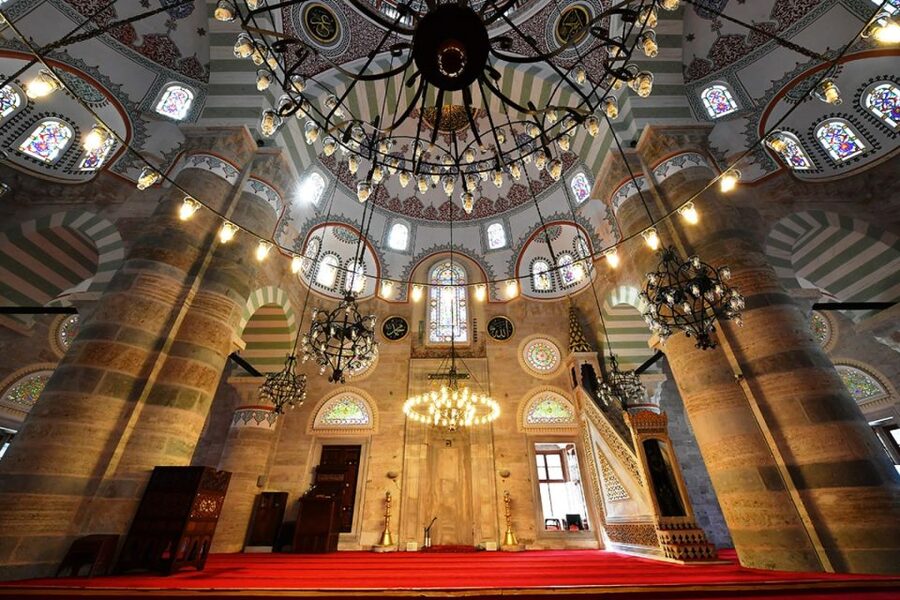
One of the first major stops is Şehzade Mosque, a 16th-century Ottoman building commissioned for a sultan’s son who died mysteriously. The story gives the mosque a personal edge. It was not simply built as another imperial monument, but as a memorial shaped by grief and dynastic life.
The building is less crowded than the better-known mosques near the old city center. That matters inside a religious space. You have more room to look upward, listen to the guide, and notice the design without competing with a constant stream of people.
Your guide should provide the historical setting that a quick self-guided visit might miss. Salih and Onder were praised for clear explanations and a willingness to answer questions. If you are lucky enough to have Onder, one particularly useful feature is his flexible pace. He slowed down for a couple traveling with Parkinson’s disease and built in time to sit while explaining the sites.
A scarf is included on the recommended packing list, and it is sensible to bring one. Mosques are active places of worship, so modest clothing and respectful behavior are important. The tour is not just a photo stop. Expect to remove shoes if required and follow the guide’s instructions about where to stand.
Zeyrek Mosque and the remains of a Byzantine complex
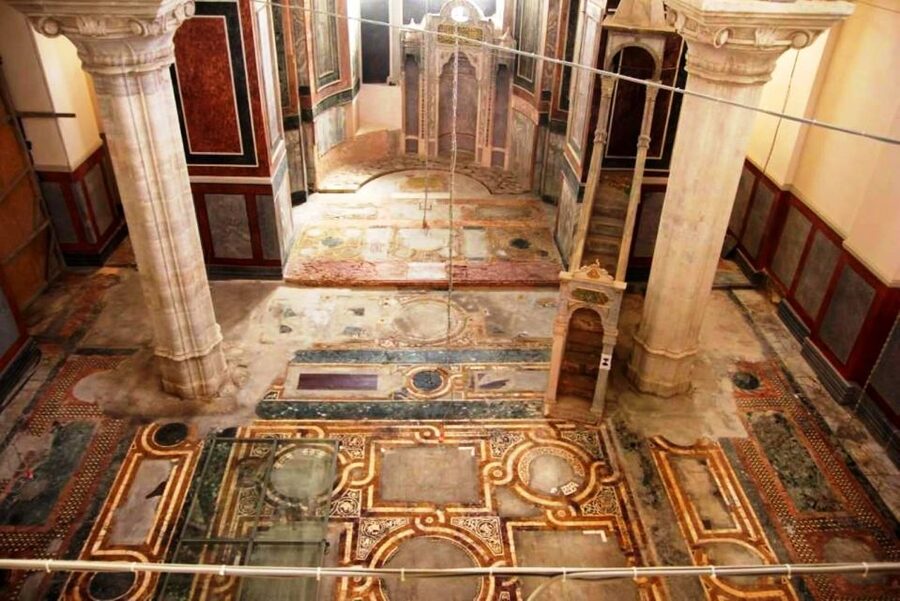
The route continues to Zeyrek Mosque, a former Pantokrator church complex built in 1118. This stop shifts the story from the Ottoman period to the Byzantine era, then onward through the building’s later religious use.
That change of identity is one of the tour’s most useful lessons. Istanbul’s buildings often carry several layers of history, and Zeyrek lets you see how one sacred complex can pass from Byzantine Christian use into the Ottoman Muslim world.
The building may not offer the polished presentation of Istanbul’s headline monuments. That is part of the appeal, but it can also mean your guide’s explanation matters more. Pay attention to the structure and its setting rather than expecting a fully staged museum visit.
The walk between stops is generally five to 15 minutes. Those short stretches let you see Fatih at street level. This is not a bus tour where the city disappears behind glass. You move through the neighborhood on foot, so comfortable shoes are essential.
Same place, a different set of stalls:
- Small-Group Bosphorus Cruise and Istanbul’s Egyptian Bazaar
★ 3.5 · 208 reviews - Istanbul: Hagia Sophia, Blue Mosque, Cistern & Bazaar Tour
★ 4.9 · 189 reviews - Istanbul: Hagia Sophia, Blue Mosque, and Grand Bazaar Tour
★ 4.5 · 162 reviews - Culinary Backstreets of the Bazaar Quarter
★ 5.0 · 118 reviews
Walking beneath the Roman aqueducts
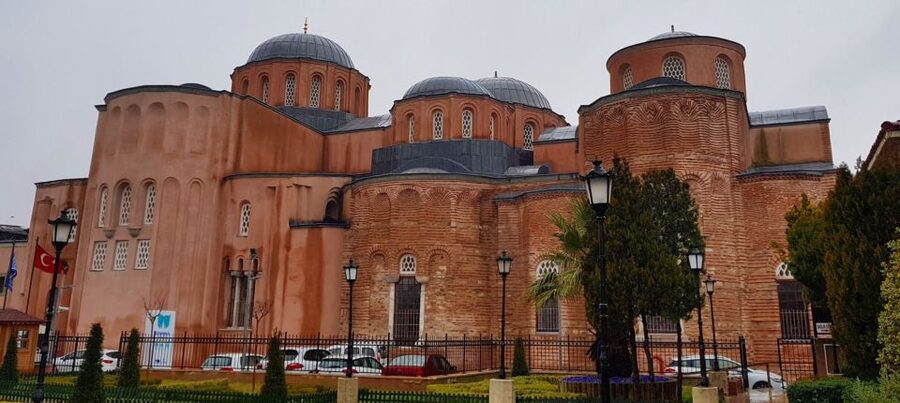
The aqueduct section is one of the tour’s most memorable changes of scale. You walk by the 6th-century Roman aqueducts associated with the city’s historic water supply.
The structure shows a practical side of imperial Istanbul. Mosques and palaces attract more attention, but reliable water made urban life possible. Standing beneath the arches gives you a direct sense of the engineering needed to support a large city long before modern pipes and pumps.
The aqueducts are not presented as an isolated monument with a long visit inside. You walk alongside or beneath them as part of the neighborhood route. That makes the experience feel connected to present-day Fatih rather than separated from it.
One stop may include tea in a garden with a view toward the Süleymaniye Mosque. This detail is especially appealing because it gives you a pause during the walk and a chance to look back across the historic city. Since the tour lasts only three hours, the pause also helps keep the pace manageable.
Vefa and the surprising taste of boza
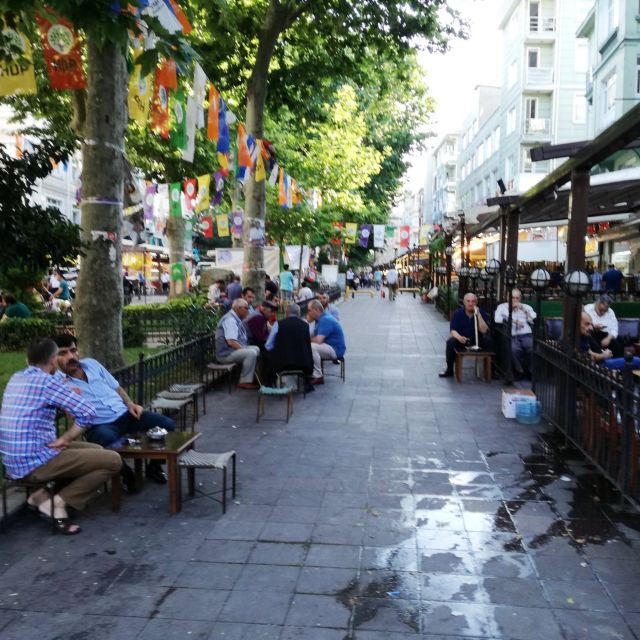
In Vefa, the group stops for boza, a traditional local drink served at the same place for 150 years. Boza is thick and mildly fermented, with a taste and texture that may be unfamiliar if your usual Istanbul order is Turkish coffee or tea.
I like this kind of food stop because it explains a neighborhood through something people actually consume. You are not just hearing that Fatih has old traditions. You are tasting one.
Boza may not be love at first sip for everyone. Its texture is heavier than a normal soft drink, and its slightly sour character can surprise you. Still, the drink is part of the point. Try it with an open mind, and ask your guide about how it fits into local food culture.
The boza is included in the tour price, so you do not need to decide whether to spend extra money at this stop. It is also a useful break before the market and lunch portion of the route.
The neighborhood market and food from eastern Turkey
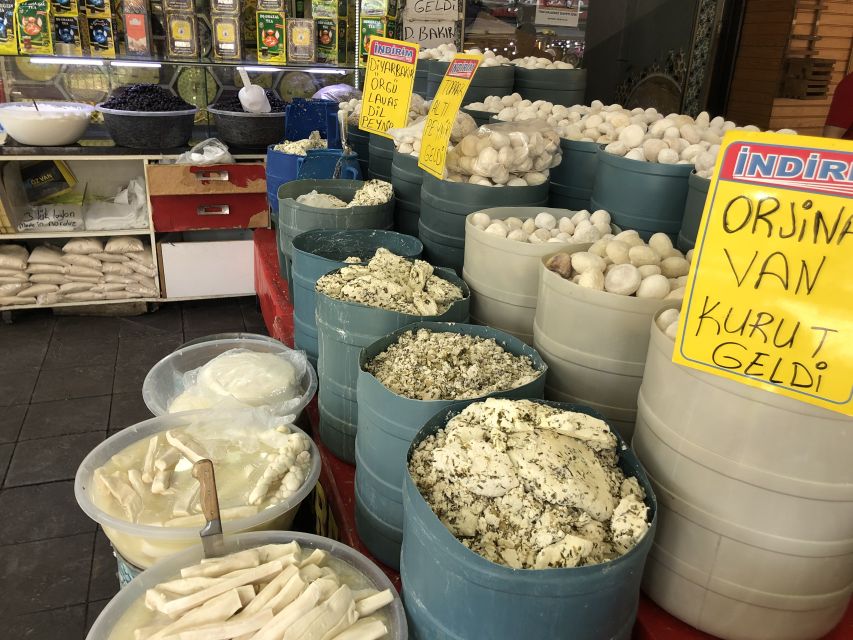
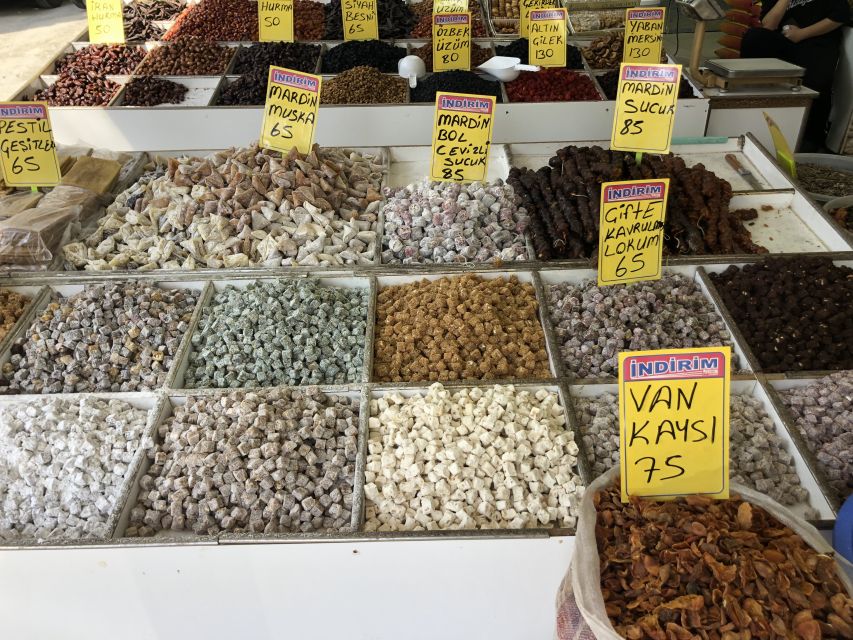
The walk through the local market focuses on food connected with eastern and southeastern Turkey. This gives you a different picture of Istanbul’s population and food culture than the restaurant streets around Sultanahmet.
The market is a working neighborhood setting, not a theatrical food hall arranged for sightseeing. You might see ingredients and dishes that are less familiar, and the guide can explain their regional connections. The route is especially worthwhile if you want to understand how people from different parts of Turkey have shaped Istanbul’s food scene.
The title refers to a Women’s Market, but the supplied details do not promise a dedicated women-only market experience or a set list of stalls. Treat this part as a neighborhood market walk rather than a formal shopping attraction.
Because the streets are residential and active, stay with the group and listen for meeting instructions. The short distances help, but the walking surface and city traffic still call for sensible footwear.
Buryan kebab and the case for paying extra
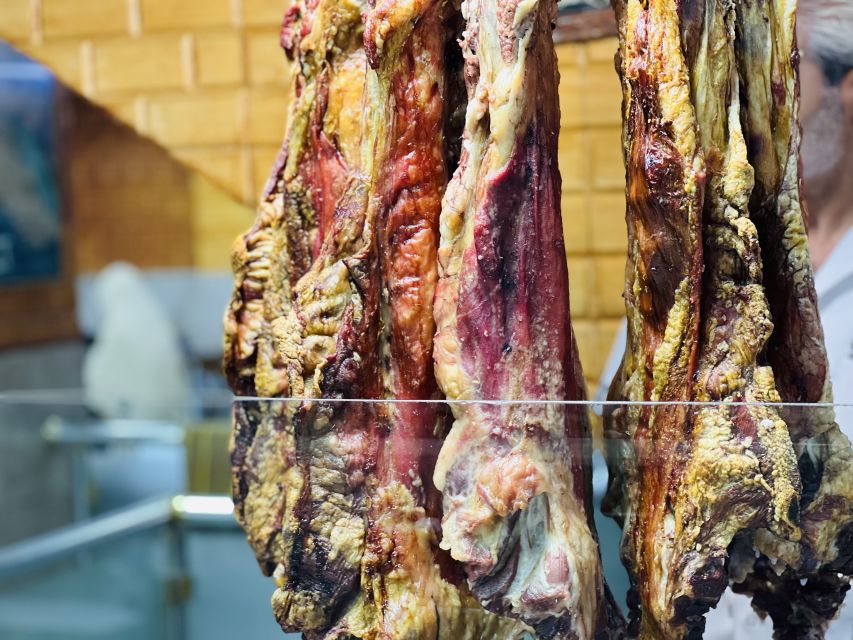
Lunch is not included, but it is one of the strongest reasons to consider adding the meal. The featured dish is buryan kebab, lamb baked in an underground clay oven for about five hours. Slow cooking gives the meal a clear regional identity and makes it very different from the familiar döner found across tourist areas.
The lunch takes place at a simple, non-touristy restaurant serving southeastern Kurdish cuisine. That setting may be plain, but the food is the attraction. You may also get a rice dish and pumpkin dessert, both praised as memorable parts of the meal.
At $10 to $15 per person, lunch is reasonably priced for a substantial regional meal, though the final cost depends on what you order. I would add it if you want the full food experience. If you have already arranged lunch or need to keep the budget tight, you can skip it, but you will miss one of the tour’s most distinctive moments.
This is not a quick snack between monuments. Allow the meal to be part of the cultural visit. The restaurant’s simple setting is exactly what makes it feel separate from the standard tourist circuit.
Guide quality and group size
The guide can make or break a neighborhood tour, since much of the experience depends on explanation rather than dramatic monuments. Salih and Onder were singled out for being professional, friendly, enthusiastic, and attentive.
Onder was particularly praised for adapting the pace to a guest with Parkinson’s disease. That suggests a thoughtful guiding style, though your exact guide and group size can vary. The maximum group size is 10, so you should have a better chance of hearing clearly than on a large coach excursion.
The tour is offered in English. It also includes professional licensed guiding and a licensed English-speaking guide, useful qualifications when you are visiting active mosques and sites with long layers of history.
The pace is described as manageable, with five to 15 minutes of walking between locations. Still, it is not suitable if you want to avoid walking or public transport entirely. Bring comfortable shoes, a scarf, and water if you normally need it during city walks.
What is included and what is not
The price includes:
- Licensed English-speaking guide
- Professional guiding
- Boza
- Tram tickets to Fatih and back to Sultanahmet
- VAT
You pay separately for lunch, estimated at $10 to $15 per person. Hotel pickup and drop-off are also not included, so you must reach the German Fountain yourself and make your own way onward after the tour.
The activity is listed with free cancellation up to 24 hours before the start time, and you can reserve now and pay later. Starting times depend on availability, so check the chosen date before making plans around it.
Who should book this Fatih walk?
I would choose this tour if you have already seen, or plan to see, Istanbul’s headline monuments and want a different side of the city. It is also a good fit if food matters to you, especially regional Turkish and Kurdish cooking.
You should be comfortable walking for three hours and using public transport. The route is not designed for someone seeking a fully private vehicle, a hotel pickup, or a short list of grand imperial sights.
Families, older adults, and people with mobility concerns should think carefully about the walking and tram sections. The guide may adjust the pace, as Onder did for one couple, but the tour data does not promise a fully accessible route.
Should you book it?
Book this tour if you want quiet mosques, old infrastructure, a local drink, and a regional meal more than polished sightseeing. The route gives you a useful look at Fatih and connects places that would be easy to miss on your own.
Skip it if your Istanbul schedule is very short and you still need to see Hagia Sophia, the Blue Mosque, or Topkapı Palace. At $71, it makes the most sense for curious visitors who value a good guide and authentic food stops. Add the lunch, wear proper shoes, and arrive at the German Fountain ready to walk.
FAQ
Where does the tour start?
It starts at the German Fountain, or Alman Çeşmesi, on Atmeydanı in Sultanahmet. From the Sultanahmet tram station, walk downhill toward Firuz Ağa Mosque, turn right onto the Hippodrome, and look for the green-domed fountain.
How long does the tour last?
The tour lasts three hours.
Is lunch included?
No. Lunch costs approximately $10 to $15 per person. The meal features southeastern Kurdish cuisine and may include buryan kebab, rice, and pumpkin dessert.
Is boza included?
Yes. The tour includes a serving of boza at the long-established shop in Vefa.
Does the tour include transportation?
Yes. Tram tickets to Fatih and back to Sultanahmet are included. The tour also involves walking between stops.
How much walking is involved?
Walking distances between the sites are generally five to 15 minutes. The tour involves walking through neighborhoods and using public transport, so comfortable shoes are recommended.
Is the tour suitable for a small group?
Yes. The group is limited to 10 participants, and the tour is conducted in English by a licensed English-speaking guide.
Just added around Istanbul
- Rug Shopping Private Tour with expert Grand Bazaar★ 5.0 · 5 reviews
- Istanbul: Afternoon Bosphorus Cruise and Spice Bazaar Tour★ 4.3 · 8 reviews
- Istanbul Private Shopping Tour – Grand Bazaar & Spice Market★ 5.0 · 3 reviews
- Istanbul Old City to Grand Bazaar Tour★ 4.9 · 8 reviews
- Istanbul: Grand Bazaar Shopping Experience with a Local★ 5.0 · 15 reviews
- Istanbul: Guided Topkapi and Grand Bazaar with Small Group★ 4.7 · 3 reviews
- Istanbul: Dolmabahce Palace and Grand Bazaar Tour★ 5.0 · 11 reviews
- Istanbul: Blue Mosque, Basilica Cistern & Spice Bazaar Tour★ 4.9 · 30 reviews
Market Tours, compared.
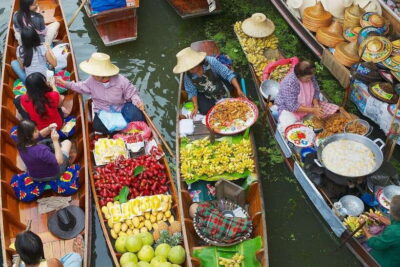
Damnoen Saduak Market and Maeklong Railway Market
Read our review →
The Old Siam: Damnoen Saduak and Maeklong Railway Market
Read our review →
Old Town, Creek, Museums, Souks, & Street Food Tour
Read our review →Train Market & Floating Market with Boat Ride
Read our review →
Old Town, Souks, Street Food, Guided Tour & Abra Ride
Read our review →
Ayutthaya & Ayothaya Floating Market Day Trip
Read our review →
Frame Tickets, Creek, Souks & Blue Mosque Guided Tour
Read our review →
Hanoi Cooking Class: Culture, Local Market & Meaning CSR Impact
Read our review →Browse the lists this tour appears in