
Review · GERMANY
Munic:h; Paul’s Bavarian Food and Market Tour
Come hungry, but read the fine print. This two-hour walk through Munich’s Old Town links traditional taverns, sausage, soup, dessert, and the Viktualienmarkt with a local guide. I like the three-restaurant format, which lets you sample several addresses instead of sitting through one long meal. I also like the practical food advice at the end, including a restaurant information sheet and a gingerbread heart.
The main concern is cost. The listed price is $141 per person, but food and drinks are not included, and you pay for each course you choose. The food arrangements also need careful checking if you have allergies or strict dietary needs.
Key points at a glance
- Three stops, three parts of a meal: You visit separate eateries for a starter, main course, and dessert with coffee.
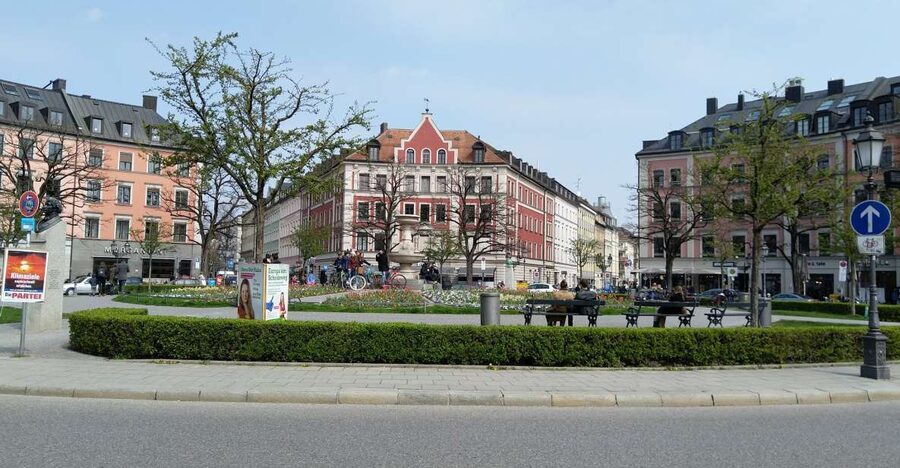
- A central Munich route: The walk begins at Karlstor near Karlsplatz and finishes at the Viktualienmarkt.
- Traditional Bavarian choices: Expect soup, a sausage dish with a side, and a typical dessert, with alternatives discussed for people who do not eat pork.
- Food is optional and extra: You pay the guide service fee, then pay restaurants or the guide for whatever you decide to eat.
- Paul can add real local flavor: One highly positive account praises Paul for his Munich food knowledge and friendly company, though guide availability may vary.
- A small parting gift: You receive a traditional gingerbread heart and restaurant suggestions for the rest of your stay.
Starting at Karlstor, Munich’s old city gateway
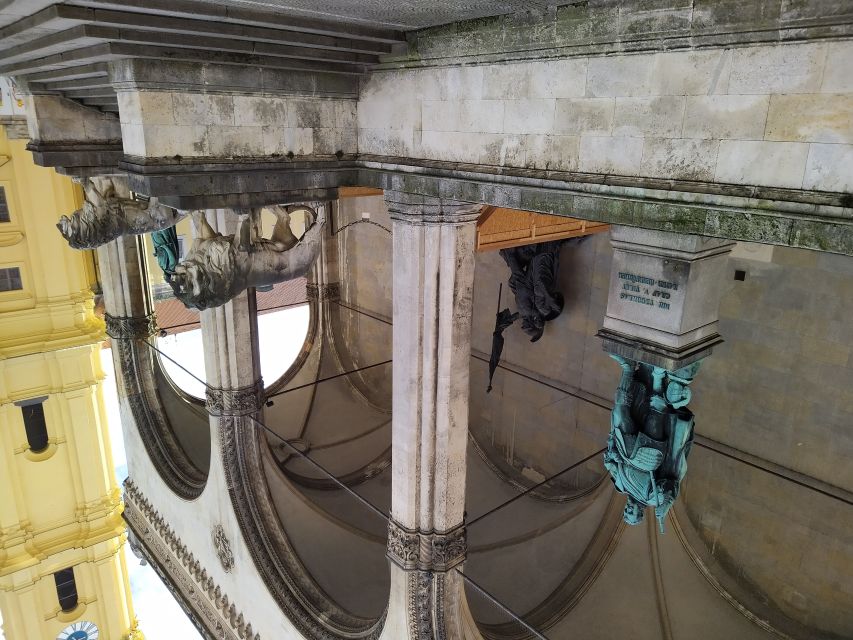
Your meeting point is in front of Karlstor, one of the old entrances to Munich. It is a practical place to begin because Karlsplatz sits at the edge of the pedestrian center, close to major shopping streets and the Old Town.
Look for the guide at the entrance to the city. You should arrive ready to walk, with a credit card for food and drink payments. Large bags and luggage are not allowed, so this is not a good activity to schedule while moving between hotels with suitcases.
The route itself is easy to understand. You move from Karlsplatz toward several well-known food addresses, with walks of roughly 15 minutes between the main stops. The pace should suit most people who are comfortable walking through central Munich, though the tour does not treat the Old Town as a simple backdrop. The guide uses the route to explain taverns, local food customs, Bavaria, and Oktoberfest.
I like this format because food becomes a way to read the city. A bowl of soup or a sausage plate tells you more when you know why it belongs on a Bavarian table and how Munich’s taverns fit into daily life.
More Food and Drink Trips in Germany:
- Christmas Markets Food Tour in Munich
★ 4.5 · 110 reviews - Original Munich Christmas Market Tour with Festive Wine and Food
★ 5.0 · 85 reviews - Munich Christmas Market Food Tour with Tastings
★ 5.0 · 54 reviews
Augustiner Stammhaus, where the meal begins
The first food stop is Augustiner Stammhaus. Here, you are served a traditional soup as the starter, provided you choose to order it.
This is a light beginning, which makes sense on a walking tour. You do not want to face a heavy Bavarian main course after a large first plate, especially when another 15-minute walk follows. The soup also gives the guide a natural moment to explain typical Bavarian cooking before the tour turns to its main dish.
The practical catch is that the course is not covered by the $141 price. The wording around the food is unusually important: the tour arranges the addresses and reservations, but you decide what to eat and pay for each course. If you are not hungry, you can skip the soup.
That flexibility may appeal to you if you have a small appetite or want to control your spending. It also means you should not assume this is a fully prepaid tasting tour. The value lies partly in the guide’s route and local advice, not in a set number of included samples.
Hackerhaus and the Bavarian main course
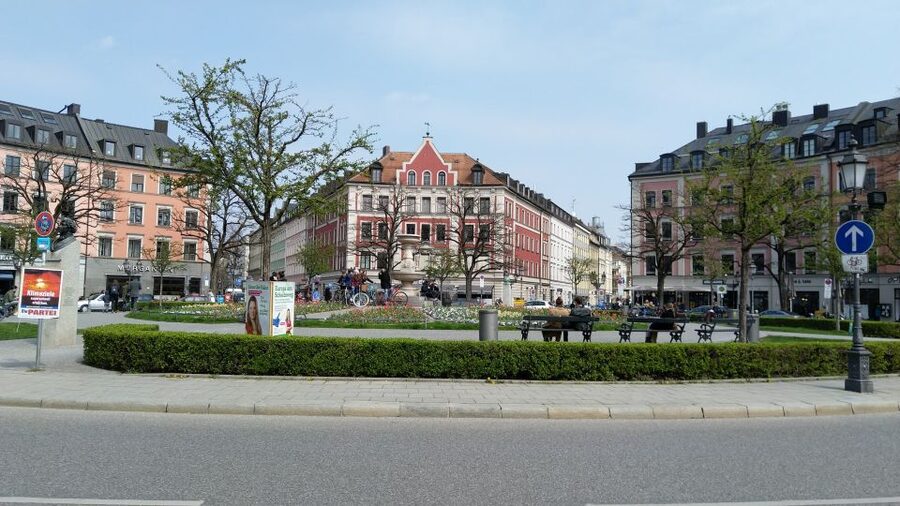
After the first stop, you walk to Hackerhaus. The planned main course is a typical sausage dish with a side. Sauerkraut is specifically mentioned as a possible accompaniment, and an alternative is offered for people who do not eat pork.
This is the most recognizably Bavarian part of the food program. Sausage, cabbage, and simple side dishes are not complicated food, but they are tied closely to the region’s tavern culture. You are not being promised a formal dining experience. You are getting a traditional plate in a local-style setting, with the guide explaining what you are eating and where else to find similar food.
The tour also mentions an optional Bavarian plate for the beer garden, with a choice of sausage and sauerkraut or apple strudel. The price given for that option is 20 euros, payable to the guide in advance, or you may pay the waiter directly. Since the food details can change and prices vary by restaurant, ask exactly what is planned before ordering.
This is also where I would be careful with dietary needs. The information says alternatives can be arranged for vegetarian and gluten-free diners, but it also says the activity is not suitable for people with food allergies. Those two points do not sit comfortably together. If you have an allergy, do not rely on a general promise of accommodation. Contact the provider before booking and explain the allergy clearly.
The 15-minute walks are part of the experience
The walking time between restaurants is useful, not wasted time. After the main course, a short stroll gives you a chance to digest while the guide continues with stories about Munich and Bavaria.
The route includes three walks of about 15 minutes, although the food stops themselves take up much of the two-hour schedule. You should wear comfortable shoes and be prepared for ordinary city walking in all weather, since the tour operates rain or shine.
I like the rhythm: eat a little, walk, listen, then eat again. It is more relaxed than a restaurant crawl that rushes you from table to table. Still, two hours is short. You should expect an introduction to Munich’s food culture, not a complete survey of Bavarian cuisine.
The guide also discusses famous Munich taverns and Oktoberfest. That gives the food a wider setting. You learn not only what people order, but how taverns and festival traditions helped make these dishes part of Munich’s public identity.
More Food Trips in Germany:
- Munich: Christmas Markets Food & Drink Tour
★ 4.6 · 50 reviews - Eat Like a Berliner: Market Tour, Cooking Class and Lunch
★ 5.0 · 15 reviews - Dubai: Old Town, Creek, Museums, Souks, & Street Food Tour
★ 4.8 · 10,816 reviews - Dubai: Old Town, Souks, Street Food, Guided Tour & Abra Ride
★ 4.9 · 7,170 reviews
Dessert and coffee at the Viktualienmarkt
The final food stop is a café near the Viktualienmarkt, where you receive a typical dessert and coffee if you decide to order them. Apple strudel is specifically named as one possible option.
Viktualienmarkt is a fitting place to finish. Munich’s central food market is a natural setting for talking about regional ingredients, prepared food, and the city’s eating habits. The tour ends at the market, so you can continue looking around after the guide leaves.
Again, dessert and coffee are not included in the tour price. This point deserves emphasis because the experience is described as a starter, main course, and dessert, which can sound like a complete meal included in the booking fee. In practice, the guide provides access, local context, and restaurant arrangements. You pay for the food and drinks you choose.
At the end, you receive a gingerbread heart. It is a small touch, but a useful souvenir because it connects with the decorative gingerbread hearts often associated with Bavarian festivals and markets. You also get an information sheet with suggestions for other restaurants and taverns.
What the guide adds to the food
The strongest part of this experience is likely to be the guide’s personal explanation. One very positive account singles out Paul, praising his understanding of Munich and his choice of places to eat. The same account describes the tour as a good way to gain a first-hand sense of the local food scene.
That praise matters because the food itself is not rare or elaborate. You can find soup, sausage, sauerkraut, coffee, and apple strudel in Munich without booking a tour. What you are paying for is the selection of addresses, the reservations, the stories, and the chance to ask questions while moving through the Old Town.
The guide also offers advice about where to eat after the tour. This may be more useful than a single meal, especially if you have several days in Munich. You can use the restaurant sheet to plan later meals instead of choosing at random near a major attraction.
Guide quality may not be perfectly consistent. One account describes a disappointing experience when the booked guide was ill, the group had only two people, and the replacement guide seemed eager to finish. That report also says the tour ended early. The lesson is simple: if a specific guide, especially Paul, matters to you, ask who will lead the tour before you book.
A private or near-private setting can be pleasant when the guide is engaged. It can feel awkward when the guide is not. The experience depends heavily on the person leading it, so the provider’s response to a guide change is worth checking.
Is $141 good value when food costs extra?
At $141 per person, this is not a cheap way to eat in Munich. You then pay separately for the soup, main dish, dessert, coffee, and any other food or drink. Depending on your choices, the total cost can rise well beyond the advertised price.
I would judge the price by the guiding service rather than by the food. If you want three ordinary but traditional dishes and can find your own restaurants, you can likely spend less by ordering independently. If you want a local guide to connect the dishes with Munich’s taverns, Oktoberfest, and food customs, the price may be worthwhile.
The reservations also have value. You do not have to work out where to go or lose time searching for a suitable restaurant in the Old Town. That convenience matters on a short visit.
Still, the price structure should be clear before you commit. Ask:
- How much will each planned course cost on the day?
- Is the 20 euro Bavarian plate replacing the three-course plan or added to it?
- Can you pay each restaurant directly?
- Which vegetarian or gluten-free dishes are available?
- Who will lead the tour if the expected guide is unavailable?
The provider says restaurant prices change daily, so exact food costs may not be fixed. Bring a credit card and keep extra room in your budget.
Dietary rules and who should skip it
The experience may suit vegetarians and people avoiding pork if arrangements are confirmed ahead of time. The information also refers to gluten-free alternatives, but it does not provide a fixed menu or guarantee for every dietary need.
I would not book this tour with a food allergy unless the provider gives you a clear answer in advance. The activity is specifically marked as unsuitable for people with food allergies, even though other sections discuss accommodating restrictions.
Children under 12 are not accepted. People with a cold should also not attend. That rule is direct and sensible for a shared food experience in small restaurants.
The tour is wheelchair accessible, but the route includes walking between several stops and through central Munich. If you use a wheelchair, contact the provider before booking to confirm how each restaurant and the market route will work on your date.
Who will enjoy this Munich food walk?
I would recommend it most to an adult visiting Munich for the first time who wants a quick introduction to Bavarian food and does not want to plan every meal alone.
It also suits you if:
- You enjoy learning stories with your meal.
- You want to try several traditional foods in one outing.
- You prefer a local guide to choosing restaurants by guesswork.
- You have only a short time in Munich’s Old Town.
- You want restaurant suggestions for later in your trip.
- You are comfortable paying separately for food and drinks.
I would hesitate if you want a fixed-price tasting menu, a long sit-down meal, or a detailed culinary workshop. The tour is more about orientation and local guidance than cooking technique.
I would also think twice if you are on a strict budget. The $141 fee is only the starting point, and the food is optional. You may find better value by booking a less expensive walking tour and paying for your own meal.
Should you book Paul’s Bavarian Food and Market Tour?
Book it if you value local interpretation more than food quantity. The route is central, the food choices are recognizably Bavarian, and the guide can point you toward useful restaurants for the rest of your visit. Paul received especially warm praise for his company and understanding of Munich, which is a strong reason to ask whether he is leading your date.
Skip it if you expect the $141 price to cover the meal, or if you need firm allergy guarantees. Before booking, confirm the guide, the expected food costs, and the available alternatives. With those details settled, this can be a pleasant and efficient introduction to Munich’s taverns and market culture. Without that clarification, the price and food arrangements may leave you feeling shortchanged.
FAQ
Where does the tour begin?
It begins in front of Karlstor, the entrance to Munich’s city center, near Karlsplatz.
Where does the tour finish?
The tour finishes at the Viktualienmarkt, Munich’s central food market.
How long does the experience last?
The tour lasts two hours and includes walks between the food stops.
Is food included in the $141 price?
No. You pay for the guide service, while food and drinks are paid for separately. Food is optional, and you pay for each course you choose.
Which languages are available?
The tour is offered in English and German.
Can people with dietary restrictions join?
Vegetarian, pork-free, and some gluten-free alternatives may be available, but the activity is marked as unsuitable for people with food allergies. Contact the provider before booking to discuss your needs.
Just added around Germany
- Eat Like a Berliner: Market Tour, Cooking Class and Lunch★ 5.0 · 15 reviews
- Private Tour: Experience the Christmas Markets in Berlin★ 4.5 · 2 reviews
- Berlin Christmas Markets with Culinary Tour★ 4.5 · 28 reviews
- Berlin Christmas Markets Walking Tour with Local Guide★ 5.0 · 3 reviews
- Stuttgart: Guided Tour of the Stuttgart Market Hall★ 4.6 · 78 reviews
- Münster x-Mas: Winter tour of Christmas markets – incl. mulled wine★ 5.0 · 3 reviews
- Munich Premium Christmas Market Hopping with Sightseeing Tour★ 4.7 · 4 reviews
- Lübeck: Christmas Market and Historical City Tour★ 4.5 · 2 reviews
Food & Drink, compared.
Old Town, Creek, Museums, Souks, & Street Food Tour
Read our review →
Old Town, Souks, Street Food, Guided Tour & Abra Ride
Read our review →
Bangkok by Night: Temples, Markets and Food Tuk-Tuk Tour
Read our review →
Tokyo Tsukiji Fish Market Food and Culture Walking Tour
Read our review →
Markets, Temples and Food Night Tour by Tuk Tuk
Read our review →
London Bridge & Borough Market Food Tour with 7 Authentic Dishes
Read our review →
Browse the lists this tour appears in