
Review · NEW YORK (STATE), UNITED STATES
Meatpacking District: Chelsea Market and The Highline Tour
New York’s old rail line tells a surprising story. This two-hour walking tour links Chelsea Market, the High Line, and the Meatpacking District in one compact outing. I especially like the chance to browse Chelsea Market before walking through the district’s changing streets, and I like the small group size, limited to 10 people.
The tour also adds useful context, from the grim story of Death Avenue to the Titanic’s planned New York landing. The main consideration is pace: you cover a lot on foot, and food, drinks, and shopping cost extra. High Line access can also change with dangerous weather.
Key points at a glance
- Chelsea Market sets the scene: Begin with free time for baked goods, snacks, and shopping inside one of New York’s best-known food halls.
- Death Avenue adds a darker chapter: Hear how the area’s old rail traffic shaped local history before reaching the High Line.
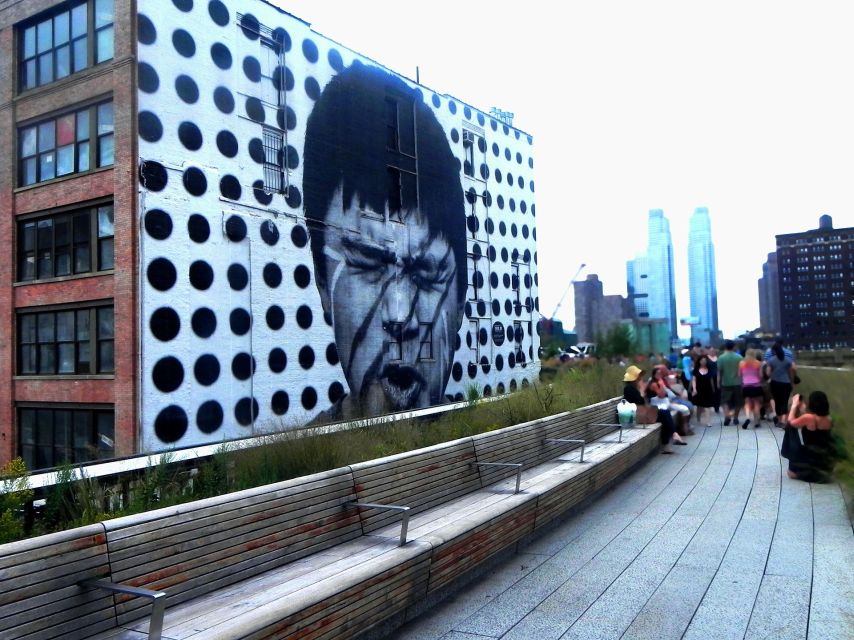
- The High Line brings broad city views: Look toward Chelsea Piers, the Hudson River area, and the buildings that frame this unusual public park.
- The Titanic connection is easy to miss: The tour points out where the ship was intended to dock in 1912.
- Small groups make questions easier: With no more than 10 people, you get a more personal walk than on a large city tour.
- Meatpacking District contrasts old and new: Historic hotels and former industrial streets now sit beside luxury fashion shops and fashionable bars.
Why this two-hour walk works
New York can feel like a stack of separate neighborhoods. Chelsea Market, the High Line, and the Meatpacking District are close together, but each has a different character. This tour gives you a clear thread between them instead of leaving you to connect the pieces on your own.
You start at the corner of 15th Street and 9th Avenue, beside Chelsea Market. From there, the route moves through food, rail history, architecture, river views, and modern fashion. That mix is the real strength of the outing.
I would not treat this as a full tour of Manhattan. Two hours is enough for a focused introduction, not a complete study of Chelsea or the Meatpacking District. Still, the route makes good use of the time, especially if you want to understand how an industrial part of town became one of New York’s most polished districts.
The experience is led in English by a local guide. Past guides praised in the tour feedback include Conner, Liz, and Gabi, with particular approval for clear explanations, friendly service, and strong knowledge of the buildings and neighborhood story. The tour has a 4.9 rating from 33 ratings, which fits its clear focus on guide quality.
A few more market tours around the USA worth a look
- Chef Guided Food Tour of Pike Place Market
★ 5.0 · 3,733 reviews - Pike Place Market Tasting Tour
★ 5.0 · 1,696 reviews - Early-Bird Tasting Tour of Pike Place Market
★ 5.0 · 1,154 reviews
Starting inside Chelsea Market
The meeting point is simple: the corner of 15th Street and 9th Avenue, by Chelsea Market. You should arrive ready to begin on foot, since the walk includes indoor browsing and several outdoor sections.
Chelsea Market is more than a quick place to buy lunch. It gives you a lively first look at the area and lets you set your own pace for a short time. You can sample baked goods and snacks, browse the food stalls, or do a little shopping before the guide gathers the group.
That free time is useful because it gives the tour a relaxed start. You are not rushed straight into a lecture, and you can decide if you want a small bite before the walking portion. Food and drinks are not included, so budget for anything you purchase.
There is one practical catch: the tour does not guarantee that every food vendor will be open. If eating at the market matters to you, bring a backup plan and do not count on a particular stall. You may still find plenty available, but the schedule and operating hours of individual vendors can change.
Chelsea Market also helps explain the character of the surrounding district. The area feels polished and popular now, yet the tour soon turns to its rougher industrial past. That contrast gives the whole walk more shape.
The grim story behind Death Avenue
Before heading to the High Line, you hear about Death Avenue. The name alone signals that this is not a simple tale of pretty streets and fashionable stores.
The story connects directly to the rail infrastructure that once ran through this part of Manhattan. The High Line was built from a disused section of a New York Central Railroad spur, so the rail line is not just an interesting backdrop. It is the backbone of the neighborhood’s earlier working life.
This part of the tour is especially valuable if you prefer places with a past you can still trace in the street plan. The Meatpacking District did not begin as a designer shopping zone. Its name points to the industry that once defined it, while the old rail route shows how goods moved through the city.
A guide can make those changes easier to grasp than a sign or a quick internet search. The strongest feedback about the experience focuses on the storytelling and architecture, and that is where the tour appears to earn its price.
You should expect some explanation while standing or walking rather than a long indoor presentation. Comfortable shoes matter, and anyone who finds extended walking difficult should take the two-hour format seriously.
Walking the High Line above Chelsea
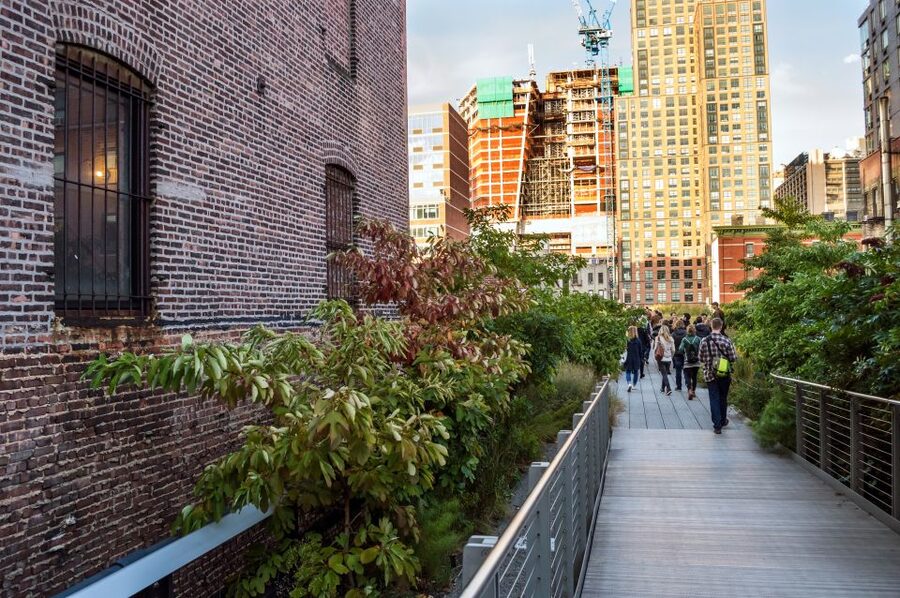
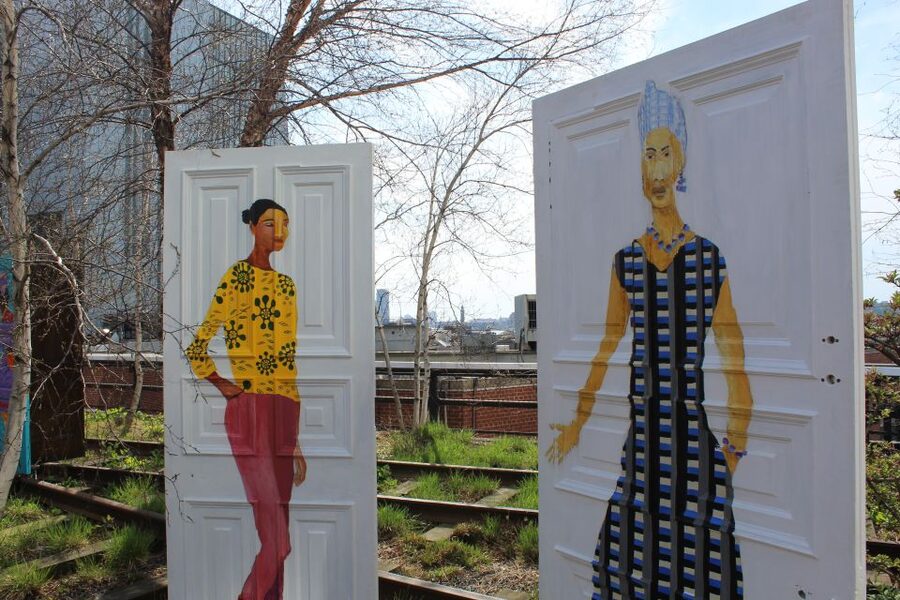
The High Line is the tour’s central attraction. It runs along a former railroad spur that has been turned into a linear public park, giving you a different view of Chelsea from the normal sidewalk level.
Use the word park carefully here. This is not a broad lawn where you settle in for an afternoon. It is a long, narrow route with changing views, planting, architecture, and city movement around you.
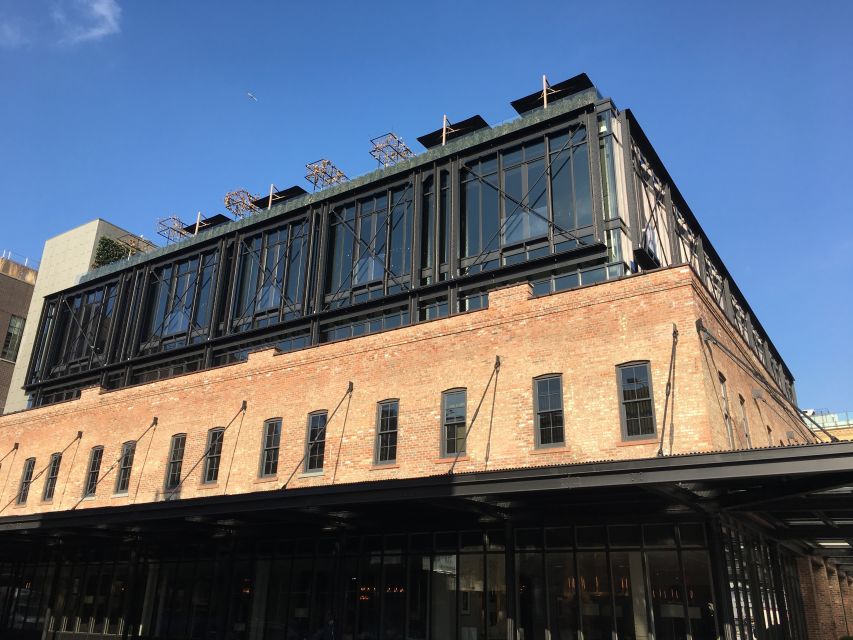
From the path, you can enjoy views toward Chelsea Piers and the surrounding waterfront area. The route also places you close to notable buildings, including the 18-story Standard Hotel. The guide helps you notice how the park and nearby architecture fit together.
I like this section because it combines city views with a strong sense of place. You are walking through a piece of transport infrastructure that found a second life as public space. That is more interesting than simply looking at another street of shops.
The High Line can be busy, and the tour does not promise a quiet stroll. The supplied details do not give a typical crowd level or exact stopping points, so you should expect a public park rather than a private viewing platform. Your guide’s commentary is likely to be most useful when the path is full of distractions.
Weather matters here. The park can close during conditions considered dangerous, and the tour may be canceled in poor weather. If that happens, you can receive a full refund or choose another date. Tours operate in most weather conditions, so dress for the forecast rather than assuming rain will stop the walk.
In warmer months, carry water or another cold drink. There is a fair amount of walking, and the route does not include food or drinks.
Same place, a different set of stalls:
- Center City Philadelphia Food Tour with Reading Market
★ 5.0 · 861 reviews - Seattle: Pike Place Market Chef-Guided Food Tour
★ 4.8 · 847 reviews - Chelsea Market and High Line Guided Food Tour
★ 5.0 · 827 reviews - Streetcar Food Tour and Findlay Market with Riverside Food Tours
★ 5.0 · 653 reviews
Finding the Titanic connection
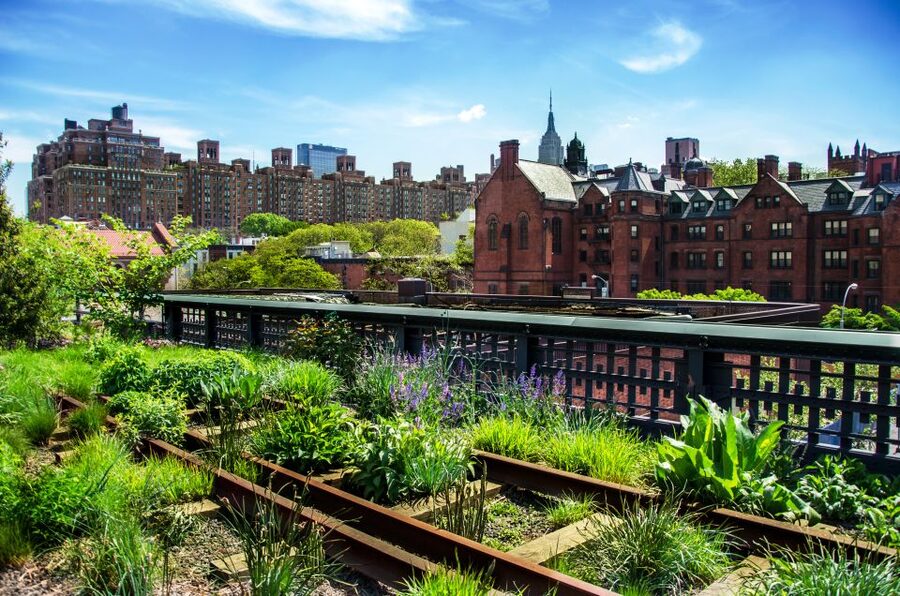
One of the more unusual stops involves the place where the Titanic was meant to dock in 1912. This detail gives the route a direct link to one of the best-known events of the early twentieth century.
The value is not only the fact itself. It shows how the waterfront and transport network once served a very different New York. Today, you may see fashionable buildings and public park space. The Titanic reference reminds you that this same part of the city was tied to major shipping plans and heavy commercial activity.
You should not expect a museum-style Titanic presentation. The supplied tour details describe the stop as part of the High Line walk, so it is best understood as a short but memorable piece of local context. A good guide can use such details to turn an ordinary view into something you remember.
This is also an example of why the local guide matters. Without explanation, the area might look like a pleasant route with interesting buildings. With the story attached, the waterfront becomes part of a much larger New York narrative.
Architecture along the route
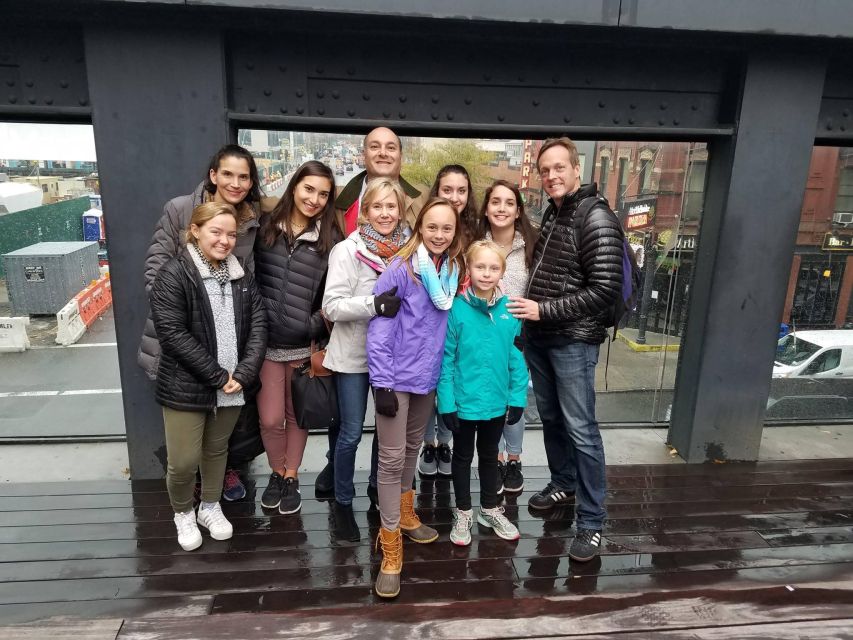
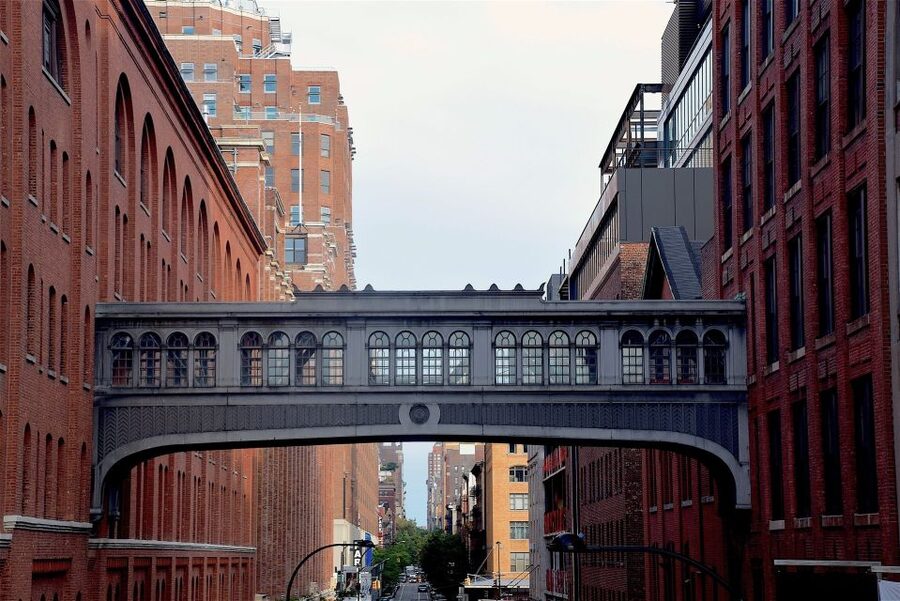
The tour gives architecture a central role. Along the High Line, you see the Standard Hotel and other local buildings, while the guide explains how the district’s old and new structures sit together.
The 18-story Standard Hotel is an easy landmark to spot. Its presence also reflects the Meatpacking District’s change from industrial work zone to an area associated with hotels, fashion, nightlife, and expensive real estate.
The walk does not promise a formal architecture lecture, but the feedback gives this part strong praise. One particularly positive assessment called the history and information about the area and architecture excellent. That suggests the experience works best for you if buildings and urban change interest you, not just views and food.
I would keep your eyes up as you walk. The High Line naturally directs your attention toward the path and skyline, but the nearby facades are part of the story too. The tour’s value comes from linking what you see to what stood here before.
Into the Meatpacking District
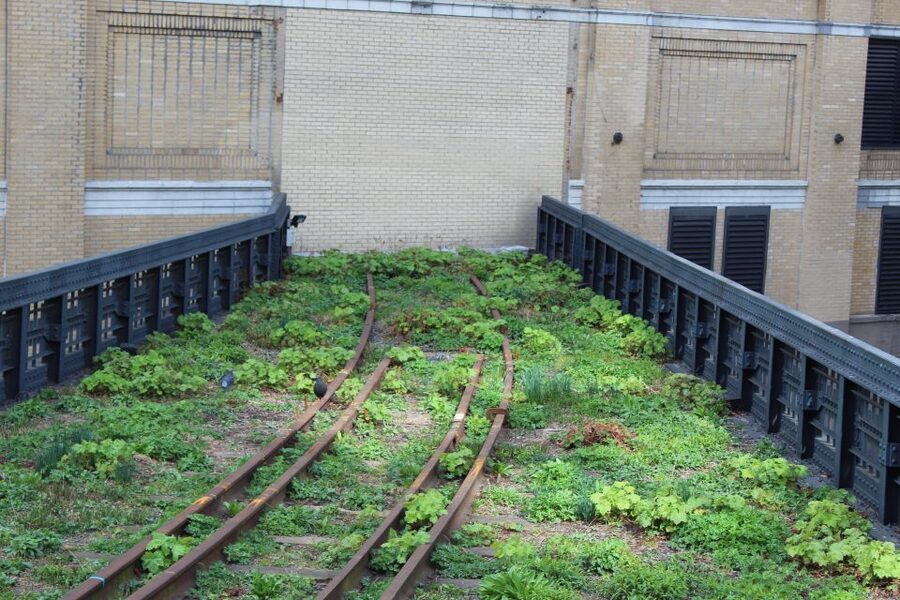
After the High Line, the route heads into the heart of the Meatpacking District. This final section gives you a closer look at the neighborhood’s current identity.
You pass the Gansevoort Hotel and walk by high-fashion flagship stores and trendy bars. The mood here is different from Chelsea Market and different again from the rail path. The area now presents a polished, style-conscious face, with retail and nightlife replacing much of the older industrial activity.
That change is worth seeing in person because it is not a clean break. The district’s name and street layout still point to its earlier role, even as luxury shops and bars dominate the present-day view.
This part may appeal most to you if you enjoy seeing how neighborhoods change over time. If you want a purely historic tour, the fashion stores and nightlife references may feel less important. If you want a balanced look at old New York and current New York, the contrast works well.
The supplied details differ slightly on how the tour ends, with one account describing a finish near the harbor and a park. The fixed route information confirms the walk through the Meatpacking District, so you should treat the exact final spot as subject to the guide and day’s conditions.
Is $47 a fair price?
At $47 per person, this is not the cheapest way to see Chelsea. You can enter Chelsea Market and walk the High Line without joining a guide, so a self-guided visit costs less if you only want the basic sights.
The fee becomes easier to justify if you want the stories tied together. You are paying for a local English-speaking guide, a small group capped at 10 people, and a planned route that covers three connected subjects in two hours.
The guide is the key value. Feedback repeatedly praises the explanations and personal approach, with one person describing Gabi’s walk as a private tour because the group was so small. That should not be read as a promise of a private booking, but it shows how a 10-person limit can feel more personal than a large bus or crowded walking group.
You should also remember what the price does not cover. Food, drinks, and shopping at Chelsea Market are extra. If you plan to sample several stalls, your total spending will rise.
For a first visit to this part of New York, $47 is reasonable if you care about context and prefer a guide to independent research. For a repeat visit, it depends on your goals. One piece of feedback suggests the tour suits people who have already visited New York and want to see a less obvious side of the city. I agree that the route can work especially well beyond a first-time sightseeing checklist.
Who should book this experience?
I would recommend this tour to you if you like city history, architecture, food halls, and neighborhood change. It also suits anyone who wants a short activity that fits neatly into a larger New York day.
It is a good pick for repeat visitors who have already covered the Empire State Building, Times Square, or the major museums. Chelsea and the Meatpacking District offer a more local street-level subject, even though the area is now very popular.
Families and older visitors can consider it too, since the tour is wheelchair accessible. Still, the route involves a reasonable amount of walking, and you should wear comfortable shoes. The tour is not designed as a seated sightseeing experience.
You may want to skip it if you dislike organized walks, want a quiet meal, or hope to spend a long time shopping inside Chelsea Market. The two-hour schedule gives you an overview, not hours of free exploration.
The tour is conducted in English, so you need to be comfortable following spoken English while walking outdoors. If you enjoy asking questions, a small group should make that easier.
Weather, timing, and useful preparation
Wear comfortable shoes. That is the most important tip because the outing combines market browsing with a substantial outdoor walk.
Dress for the weather, since tours usually operate in most conditions. Bring water in warm weather, and be ready for the High Line to close in potentially dangerous conditions. If poor weather cancels the tour, you can choose another date or receive a full refund.
You do not need to confirm the reservation with the local operator’s office. The meeting point is at 15th Street and 9th Avenue by Chelsea Market, and availability determines the starting time.
Free cancellation is available up to 24 hours in advance for a full refund. You can also reserve now and pay later, which helps if your New York schedule is still taking shape.
The small group limit is one of the most useful practical details. Ten people is small enough for the guide to keep the group together without making the walk feel like a private appointment.
Should you book the Chelsea Market and High Line tour?
Book it if you want more than photographs. The route gives you Chelsea Market’s food and shopping, the High Line’s unusual public design, and the Meatpacking District’s shift from industry to fashion and nightlife.
The best reason to go is the guide-led context. Conner, Liz, and Gabi have each received strong praise for friendly and clear tours, and the experience’s overall 4.9 rating from 33 ratings supports the idea that guide quality is its main strength.
I would choose it for a first look at this part of Manhattan, or for a return visit when you want a neighborhood story instead of another major landmark. Skip it only if you prefer complete independence or cannot manage a steady amount of walking.
At $47, you are buying interpretation, not admission to a collection of attractions. If that sounds worthwhile, this compact walk offers a smart way to understand one of New York’s most changed neighborhoods.
FAQ
Where does the tour meet?
The meeting point is at the corner of 15th Street and 9th Avenue, by Chelsea Market in New York.
How long does the tour last?
The tour lasts two hours.
What language is the tour conducted in?
The live tour guide leads the experience in English.
Is the tour wheelchair accessible?
Yes, the tour is wheelchair accessible.
Are food and drinks included?
No. Food and drinks are not included, and any purchases at Chelsea Market cost extra.
What happens if bad weather affects the tour?
Tours operate in most weather conditions, but the High Line may close during potentially dangerous conditions. If poor weather causes a cancellation, you can choose another date or receive a full refund.
Just added around the USA
- Charleston International Sweet Treats & Historic City Market Tour★ 5.0 · 22 reviews
- Boston City Day Trip to Harvard University, MIT and Quincy Market★ 3.0 · 2 reviews
- Devour Boston: North End Guided Food Tour & Market Visit★ 5.0 · 101 reviews
- Private Atlanta Sightseeing Tour w/ Shopping and Lunch Stop at Ponce City Market★ 5.0 · 3 reviews
- 4-hour Atlanta City Tour w/Ponce City Market Lunch Stop★ 4.5 · 8 reviews
- Insider’s Breakfast and Culture Tour of Pike Place Market★ 5.0 · 6 reviews
- South Philly Tour: Market, Cheesesteaks & Hidden Gems★ 5.0 · 2 reviews
- Secret Food Tours: Seattle Pike Place Market★ 5.0 · 3 reviews
Market Tours, compared.
Damnoen Saduak Market and Maeklong Railway Market
Read our review →
The Old Siam: Damnoen Saduak and Maeklong Railway Market
Read our review →
Old Town, Creek, Museums, Souks, & Street Food Tour
Read our review →Train Market & Floating Market with Boat Ride
Read our review →
Old Town, Souks, Street Food, Guided Tour & Abra Ride
Read our review →
Ayutthaya & Ayothaya Floating Market Day Trip
Read our review →
Frame Tickets, Creek, Souks & Blue Mosque Guided Tour
Read our review →
Hanoi Cooking Class: Culture, Local Market & Meaning CSR Impact
Read our review →Browse the lists this tour appears in