
Review · VIETNAM
Da Nang/Hoi An: Market & Old Town Private Tour with Transfer
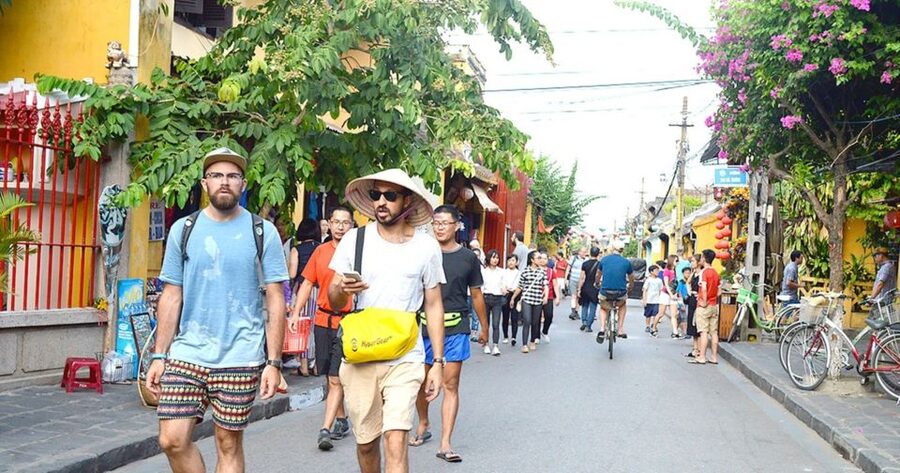
Hoi An rewards slow looking. This three-hour private outing gives you a clear introduction to the town through its market, old houses, worship halls, museums, crafts, and daily life. I like the way the route mixes famous sights with ordinary local scenes, and I especially like that your guide can adjust the conversation to your interests rather than delivering a fixed group-tour speech.
The private car pickup from Hoi An or central Da Nang is useful, particularly if you are staying outside the old center. I also appreciate the local focus: the Central Market, a silk-weaving workshop, art galleries, and a traditional music and dance performance add more texture than a simple walk between monuments. The main consideration is timing. The itinerary covers a lot in only three hours, so you will get an overview rather than a leisurely study of every stop.
Key points at a glance
- Start with Hoi An Central Market: See how local trade works before moving into the quieter lanes of the old town.
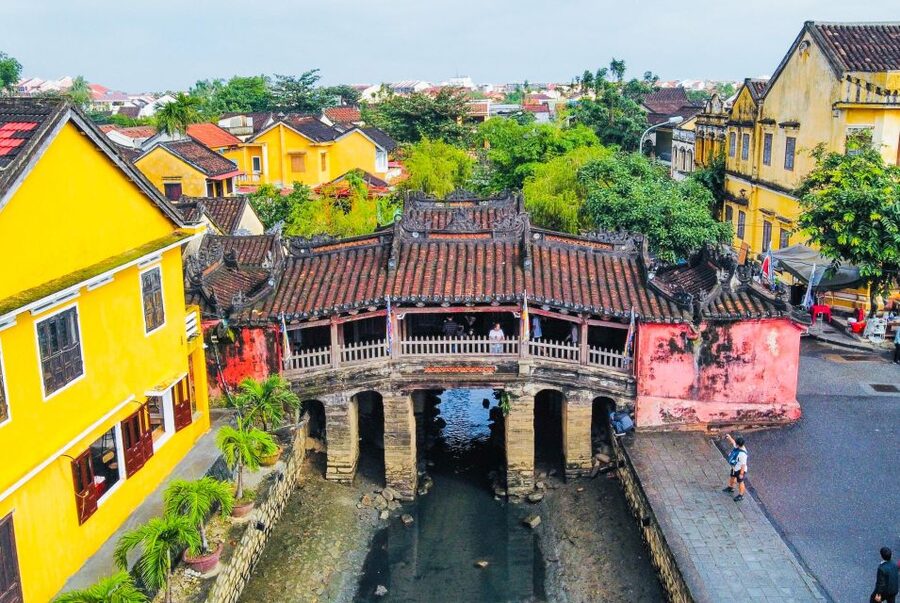
- Visit four important cultural sites: The Fujian Assembly Hall, Japanese Covered Bridge, Tan Ky ancient house, and Hoi An Folk Museum are included.
- Go inside a house from the late 18th century: Tan Ky offers a close look at old Hoi An architecture and domestic life.
- Add local crafts and performance: The route includes a silk workshop, art galleries, and traditional music and dance at a Hoi An house.
- Private transport saves time: Hotel pickup and drop-off are provided in Hoi An or central Da Nang.
- Best for a first look: The tour suits anyone who wants structure, context, and an efficient introduction before exploring alone.
Why this short tour works well
Hoi An’s historic center is compact, but its sights can blur together if you walk without context. A private guide helps separate the Chinese assembly halls from the Japanese bridge, old merchant houses from later museums, and tourist-facing shops from the town’s working market.
The strongest feature is the balance between monuments and living culture. You begin among produce, food, and local commerce at Hoi An Central Market. Later, you see places tied to worship, architecture, family life, art, silk, music, and dance. That gives you a better sense of Hoi An as a town where people still live and work, not only as a preserved old quarter.
The tour also received a top rating from the three reviews provided, with special praise for the guide’s personal approach and local connection. One reviewer said the guide lived in Hoi An and pointed out many interesting locations. Another valued the personal view of the town and the guide’s useful recommendations. Those comments matter because the guide is one of the main reasons to choose a private walk instead of simply buying an entrance ticket and wandering on your own.
The weak point is the tight schedule. The listed route includes the market, four named heritage or museum stops, galleries, a silk workshop, and a performance. That is a great deal for a three-hour tour. You should expect short visits and an introduction to each place, not a long architectural study or extended shopping time.
More Private Market Tours in Vietnam
- Cai Rang Floating Market & Mekong Delta Private 1-Day Tour
★ 5.0 · 197 reviews - 1 Day Private Cai Rang Floating Market and My Tho Boat Tour
★ 5.0 · 101 reviews - Full-Day in Mekong Delta Floating Market and Local Private Tour
★ 5.0 · 91 reviews
Starting at Hoi An Central Market
The tour begins at Hoi An Central Market at 8:00 in the morning, according to the supplied schedule. If you are staying in Da Nang, your private car collects you from your hotel in central Da Nang. If you are already in Hoi An, pickup and drop-off at your hotel lobby are included.
Starting in the market is a smart choice. The market shows Hoi An in its practical, everyday role before you move into the heritage streets. Your guide explains local trading customs and helps you understand what you are seeing instead of leaving you to guess at unfamiliar foods, goods, or routines.
Markets are also a good place to learn how a town eats and earns its living. You may find the atmosphere lively, with stalls and local shoppers moving through narrow spaces, though the exact activity will depend on the time and day of your visit. Keep your belongings close, wear shoes with a firm sole, and be ready to walk.
A morning start has another advantage: it leaves part of the day open. The planned return is around 11:00, although the schedule also gives an afternoon performance time of 15:15. Check the available starting time when booking, since the listed performance times and three-hour format may affect the order of stops.
Fujian Assembly Hall and Hoi An’s worship traditions
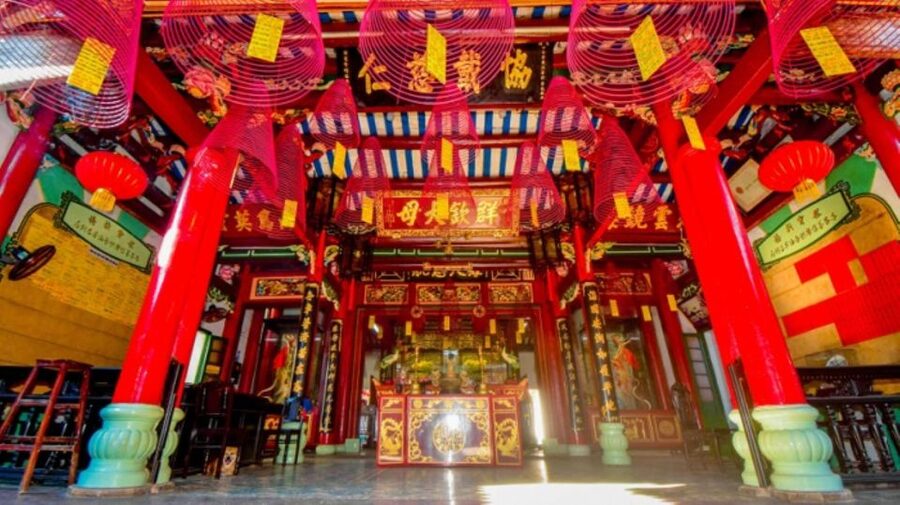
The next stop is the Phuc Kien Assembly Hall, also called the Fujian Assembly Hall. The purpose here is not only to see a decorated historic building. Your guide explains the living and worship practices connected with the people who used this place.
Assembly halls are important to understanding Hoi An’s trading past and its Chinese community. The tour presents the site through culture and belief, helping you see why it is more than a photogenic courtyard. Look closely at the decorative details and ask your guide about the figures, symbols, and ceremonies you see.
This stop should suit you if you like cultural context more than a quick list of dates. It may be less rewarding if you prefer to spend most of your time taking photographs, since the value comes from the explanation and the connection to community life.
The Japanese Covered Bridge, Hoi An’s city symbol
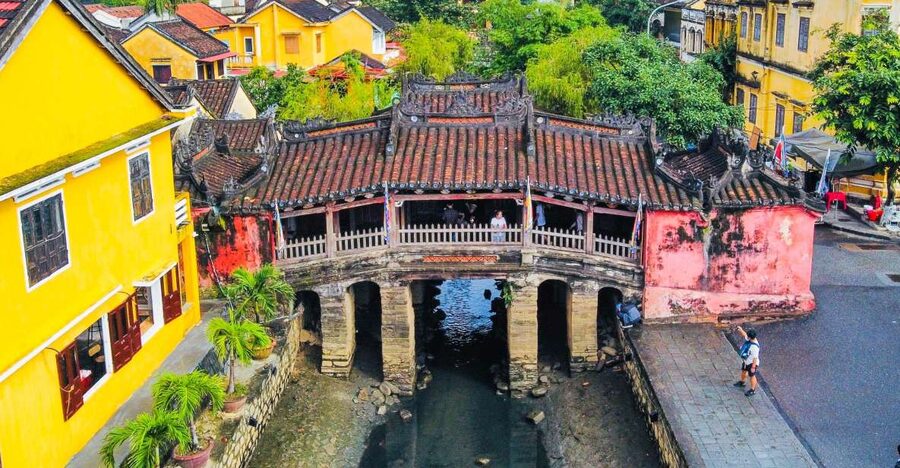
The Japanese Covered Bridge is one of Hoi An’s best-known landmarks and is widely treated as the symbol of the city. The tour points out its cultural features rather than presenting it as just another place for a photograph.
The bridge is small, so your visit will likely be brief. That is not a flaw by itself. Its importance comes from what it represents: the meeting of different cultural influences in an old trading town. Your guide can help you notice details that are easy to miss when the bridge is crowded or when you are focused only on getting a picture.
The stop also fits well into a walking route through the old center. You will have a chance to see the surrounding streets and the old facades that give Hoi An its particular look. Be prepared for other people around this famous landmark, especially at busy times. The private format helps because you can ask a question and move on without waiting for a large group.
More Private Market Tours in Hoi An:
- Cairo 8 Hour Private Tour of Pyramids, Egyptian Museum and Bazaar
★ 5.0 · 2,931 reviews - Private Excursion to Maeklong Railway and Floating Markets
★ 5.0 · 850 reviews - Floating and Railway Market (Optional Waterfall): Private Tour
★ 5.0 · 827 reviews - Cairo: Private Pyramids, Museum & Bazaar Tour with Lunch
★ 4.6 · 744 reviews
Tan Ky Ancient House and four centuries of design
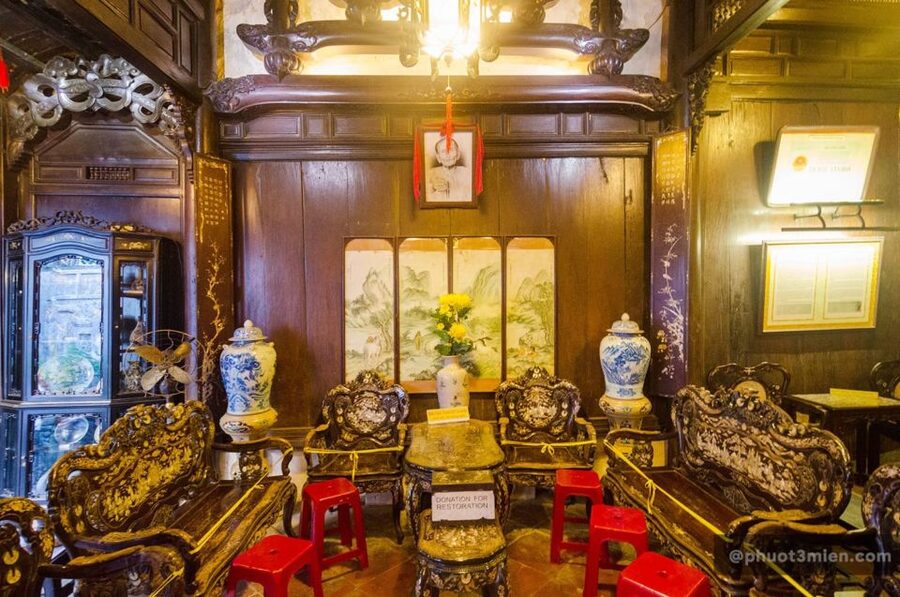
Tan Ky ancient house is one of the most worthwhile stops on the route. It was built in the late 18th century and is described as one of the oldest houses in Hoi An. You are not simply looking at an old exterior. You are entering a place that helps explain how families lived, traded, and arranged their homes.
The house shows the lasting appeal of Hoi An’s old architecture. The tour highlights houses more than 400 years old across the old quarter, while Tan Ky itself dates to the late 18th century. That distinction is worth keeping clear, but both details point to the age and continuity of the town’s built environment.
I find old houses more useful than a string of monuments because they make history human-sized. A hall, doorway, room, or family space can tell you more about daily life than a long list of rulers. Ask your guide how the house was used and how its design reflects Hoi An’s trading culture.
Because the itinerary is short, you may not have time to study every room. Still, this is one of the places where the guide’s explanation adds real value. Without context, an old wooden house can look like a pretty backdrop. With context, it becomes a record of family life and commerce.
The Folk Museum and old versus modern Hoi An
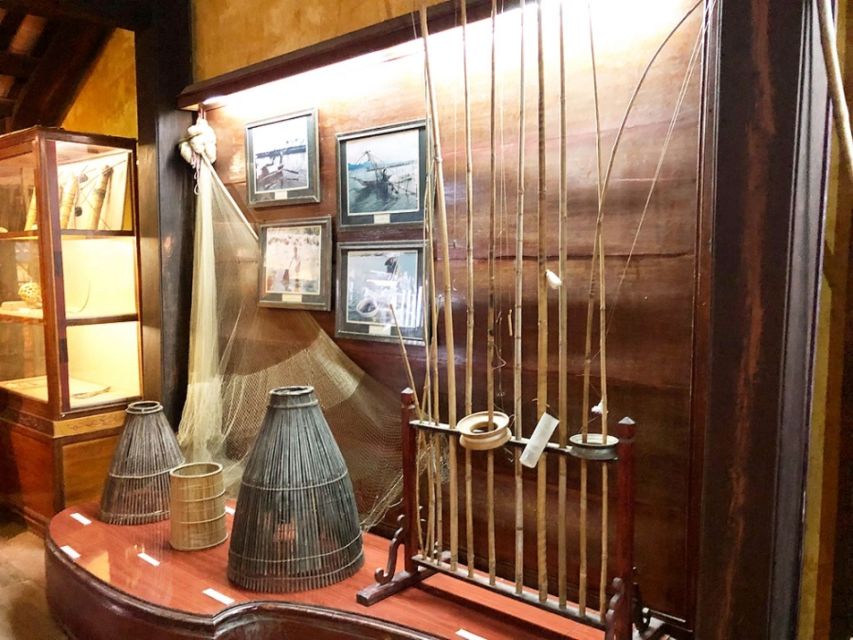
The Hoi An Folk Museum adds a broader social view. Here, the focus shifts from one house or bridge to the way people lived, worked, and expressed themselves in the town.
The planned visit looks at the difference between old and modern Hoi An. That makes the museum a useful middle point in the tour. After seeing historic buildings, you can consider how local life has changed and what has remained part of the town’s identity.
The museum visit is likely brief because of the number of other stops. If you have a strong interest in objects, photographs, or local customs, you may want to return later on your own. The tour gives you an introduction and a framework, then leaves you better prepared for a longer independent visit.
Art galleries, silk, and local craft
The walking route includes stops at some well-known art galleries. The purpose is to see Hoi An through local images and gain another view of the town’s daily life and cultural character. You do not need to buy anything to benefit from the stop, but it can help you understand how artists interpret the streets, people, and traditions around them.
The silk-weaving workshop is another welcome change of pace. Hoi An has a long tradition of weaving and embroidery, and the visit explains how these crafts are practiced. This is especially useful if you are interested in handmade textiles or want to make a more informed choice before buying silk products.
As with any workshop stop, keep your shopping expectations clear. The supplied tour details promise an explanation of the craft, not a required purchase. Take your time, ask questions, and treat the visit as a chance to learn how the material is made.
Traditional music and dance at a Hoi An house
The itinerary also includes a traditional music and dance performance at a traditional Hoi An house. The scheduled performance times are 10:15 and 15:15 daily.
This can be one of the most memorable parts of the outing because it presents culture through sound and movement rather than through labels and walls. It also gives you a closer connection to local performance traditions in a house setting.
There is a practical timing issue. A tour that begins at 8:00 and ends around 11:00 may include the 10:15 performance, while an afternoon start may use the 15:15 showing. Since the schedule lists both times, check availability and confirm how the performance fits your chosen start time.
What the private car and three-hour format mean
The private car transfer is included from your hotel lobby in Hoi An or central Da Nang. For Da Nang visitors, this removes the need to arrange separate transport to the old town. For Hoi An visitors, it gives you a simple door-to-door beginning and end.
Private does not mean slow. In this case, it means the car and guide are arranged for your party rather than shared with a larger group. You can ask for more explanation at a stop, though the number of scheduled places means the guide will still need to keep an eye on the clock.
The tour lasts three hours and includes an English-speaking guide, water, the Hoi An old town entrance ticket, and entrance fees for the activities listed in the route. You can end with hotel drop-off, or choose to stay in town and continue walking on your own. That optional finish is useful if you want lunch, shopping, or more time in the old streets.
Wear comfortable shoes. The program combines market walking, old-town streets, indoor visits, and several stops close together. Bring enough interest for a busy morning, but do not expect a relaxed half-day pace.
Is $40 per person good value?
At $40 per person, this tour offers solid value if you are staying in Da Nang or want a guided first look at Hoi An. The price includes private car transport, hotel pickup and drop-off, an English-speaking guide, the old town ticket, listed activity fees, and a bottle of water.
That bundle matters most for Da Nang visitors. Separate transport, entrance tickets, and a guide could take more planning, and a private vehicle makes the day easier. Hoi An visitors may find the price less compelling if they are happy to walk independently and read about the sights in advance.
The value also depends on how you use the guide. If you ask about worship, architecture, market life, silk, and local customs, you are paying for interpretation, not simply transportation. If you want to spend twenty minutes at each site or browse shops without a schedule, the short private tour may feel rushed.
Cancellation is flexible, with a full refund available when you cancel at least 24 hours ahead. You can also reserve now and pay later. From February 8 to 15, transportation services add 300,000 VND for Tet holiday overtime, so check the final price if your visit falls during those dates.
Who should book this Hoi An tour?
I would recommend it to first-time visitors who want a clear introduction without committing to a full-day excursion. It is also a good match for couples, families, or small private groups who value hotel pickup and the ability to ask direct questions.
Da Nang visitors gain the most from the included transfer. Hoi An visitors should book if they want background on the old town, help finding key sites, and a convenient way to combine culture, crafts, and performance in one morning.
You may want a different plan if your priority is photography, shopping, or slow exploration. The route has many stops, so you will see a lot but will not linger everywhere. A useful approach is to treat this as your orientation tour, then stay in Hoi An afterward and revisit the places that caught your interest.
Should you book it?
Book this private tour if you want to understand Hoi An quickly and prefer a local guide to set the route. Its best features are the mix of market life and major heritage sites, the private car from Da Nang or Hoi An, and the chance to see silk work and traditional performance alongside old architecture.
Skip it if you already know the old town well or want an unhurried day with no fixed sequence. For most first visits, though, $40 per person is a fair price for transport, admissions, and a personal introduction to Hoi An’s past and present.
FAQ
How long does the Hoi An private tour last?
The tour lasts three hours. The supplied schedule gives an 8:00 start and an approximately 11:00 finish, with starting times subject to availability.
Where does hotel pickup take place?
Pickup is available from hotel lobbies in Hoi An or from hotels in central Da Nang.
Is transportation included?
Yes. A private car transfer, hotel pickup, and hotel drop-off are included.
Is the tour private?
Yes. The tour is arranged for a private group.
What language does the guide speak?
The live tour guide speaks English.
Which main sights are included?
The route includes Hoi An Central Market, Phuc Kien Assembly Hall, the Japanese Covered Bridge, Tan Ky ancient house, and the Hoi An Folk Museum.
Is the Hoi An old town entrance ticket included?
Yes. The Hoi An old town entrance ticket and entrance fees for the listed activities are included.
Is the traditional performance included?
The itinerary includes a traditional music and dance performance at a traditional Hoi An house. The listed performance times are 10:15 and 15:15 daily.
What should you bring?
Bring comfortable shoes. A bottle of water is provided.
More Private Drivers in Hoi An
- Eumundi Markets Bus Transfer: Mooloolaba Sunshine Coast & Noosa
★ 5.0 · 84 reviews - Bangkok: Railway & Damnoen Saduak Floating Market with Transfer
★ 4.5 · 14 reviews - Dubai:Private Frame Entry, Mosque, Souks, Tastings& transfer
★ 4.8 · 9 reviews - Bangkok: Floating Market & Maeklong Markets Private Transfer
★ 4.0 · 8 reviews
Just added around Hoi An
- Rural Cycle, Market Tour, Basket Boat & Organic Farm Cooking★ 5.0 · 64 reviews
- Market Tour – Cooking Class – Coconut Boat Riding★ 4.4 · 43 reviews
- Hoi An : Vegan Cooking Class – Market & Coconut Basket Boat★ 5.0 · 4 reviews
- Hoi An Street Food, night market and lantern boat ride★ 4.9 · 12 reviews
- Hoi An: Cooking Class, Crab Fishing-Basket Boat, Market Tour★ 4.8 · 108 reviews
- Hoi An Cooking Class With Market and Bamboo Basket Boat Tour★ 5.0 · 52 reviews
- Hoi An:Vegetarian Cooking Class & Explore Market wChef Thanh★ 4.6 · 3 reviews
- Hoi An: Cooking Class with Exploring Hoi An Market★ 5.0 · 4 reviews
Private Market Tours, compared.
Cairo 8 Hour Private Tour of Pyramids, Egyptian Museum and Bazaar
Read our review →
Private Excursion to Maeklong Railway and Floating Markets
Read our review →
Floating and Railway Market (Optional Waterfall): Private Tour
Read our review →
Shopping in the Souks of Marrakech Private Tour
Read our review →
Local Markets & Khan el Khalili Private Shopping Tour
Read our review →
Private Excursion to Floating Market and Ayutthaya World Heritage
Read our review →
Private Heritage Walking Tour in Jaisalmer Fort and Old Bazaar
Read our review →Browse the lists this tour appears in